Buck Perry — Pioneer of Structure Fishing & Spoonplugs

Elwood "Buck" Lake Perry, born in 1915 in Hickory, North Carolina, approached angling with the analytical mind of a physicist and mathematician. After serving as a lieutenant colonel in the U.S. Army Transportation Corps during World War II, Perry returned to his home state to refine his theories on fish behavior and lure design.
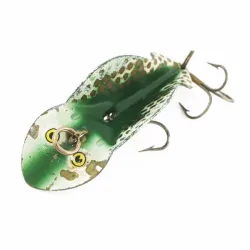
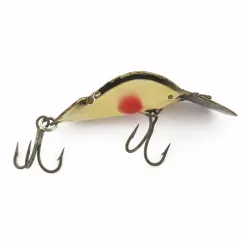
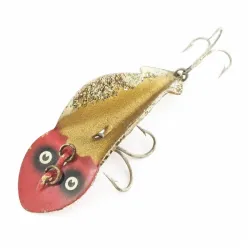
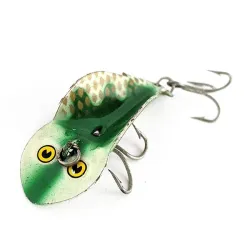
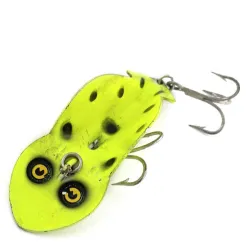
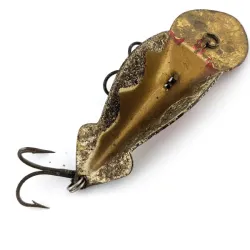
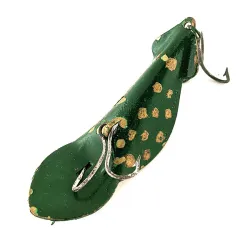
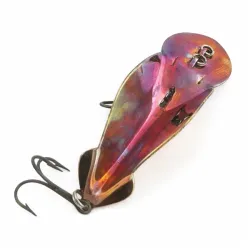
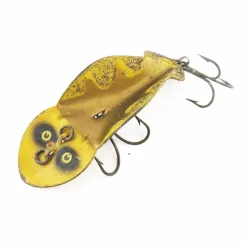
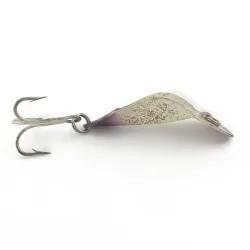
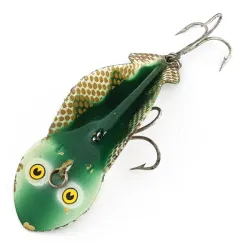
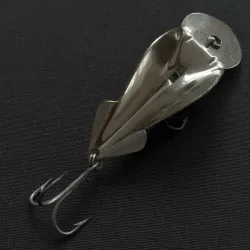
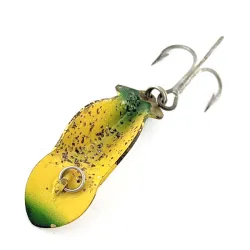
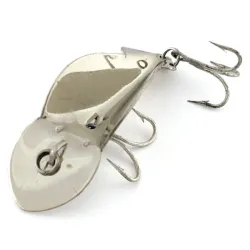
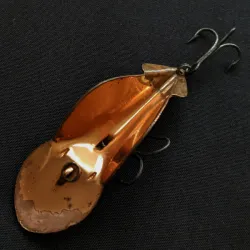
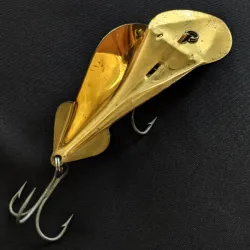
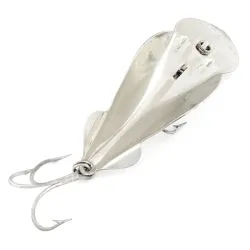
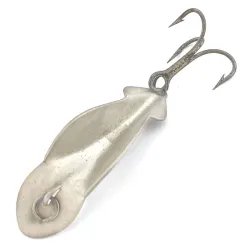
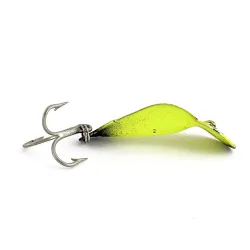
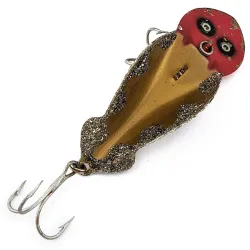
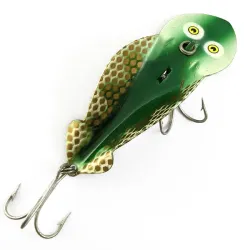
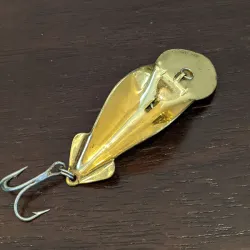
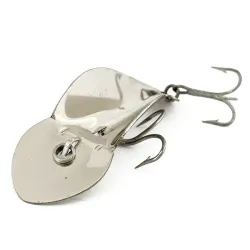
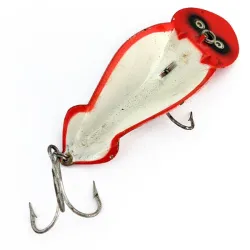
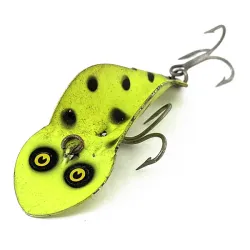
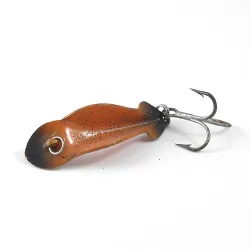
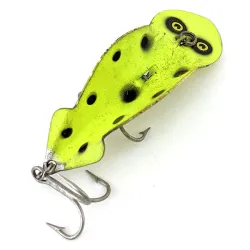
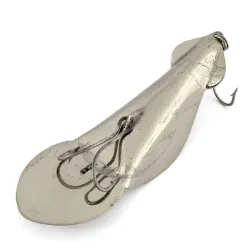
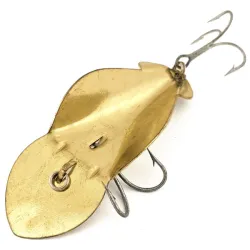
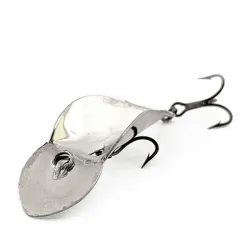
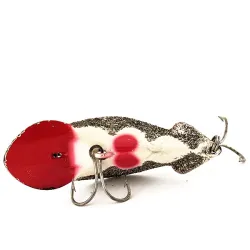
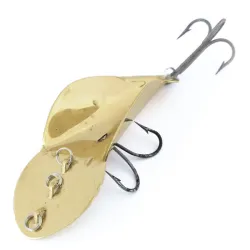
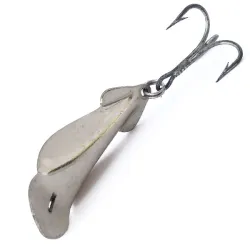
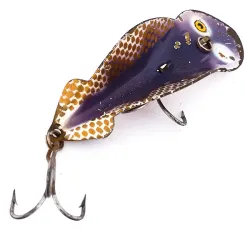
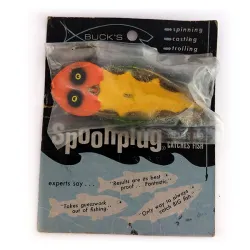
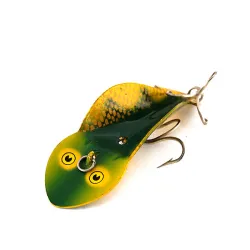
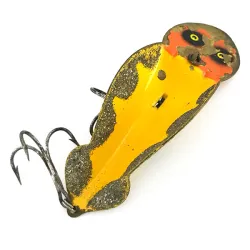
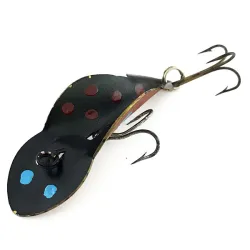
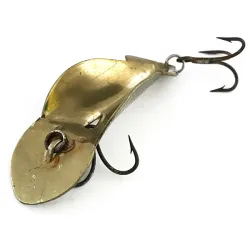
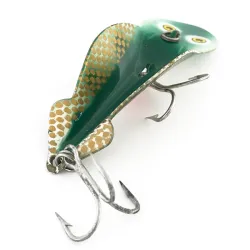
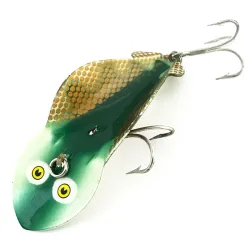
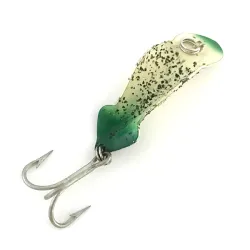
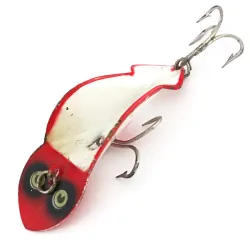
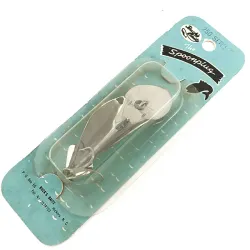
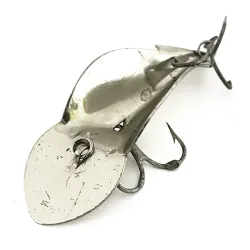
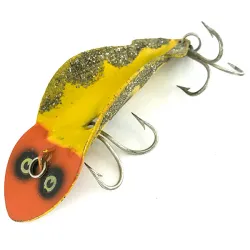
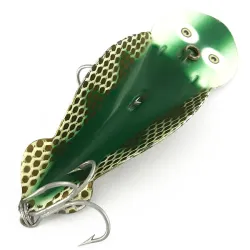
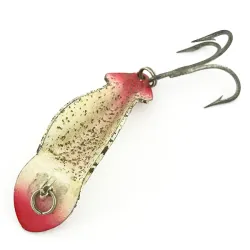
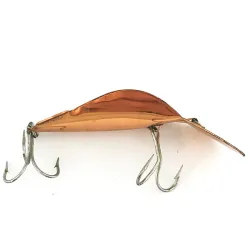
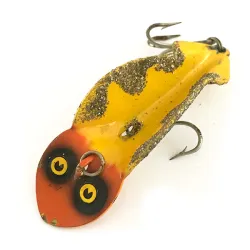
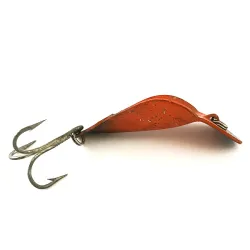
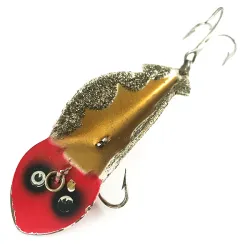
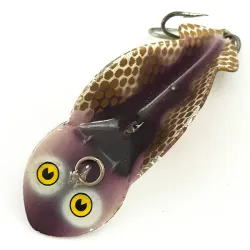
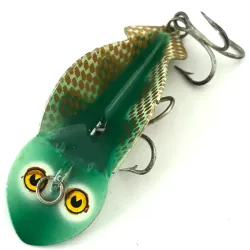
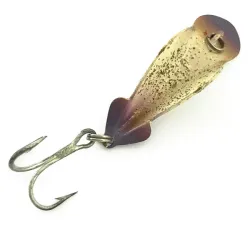
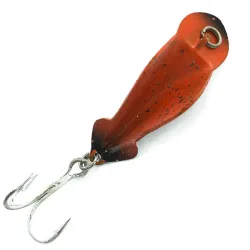
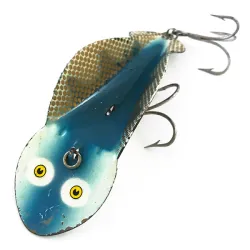
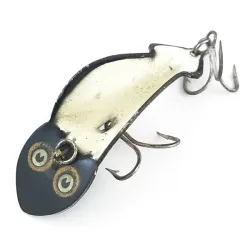
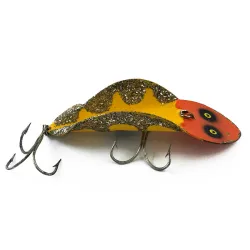
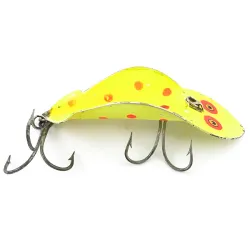
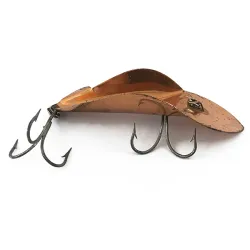
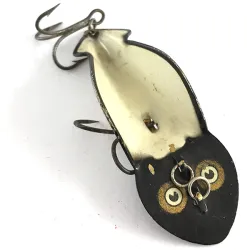
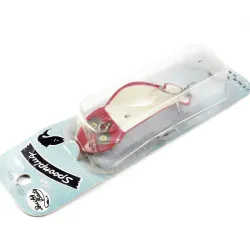
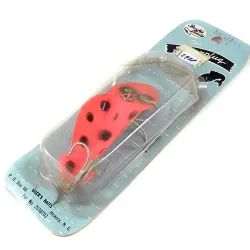
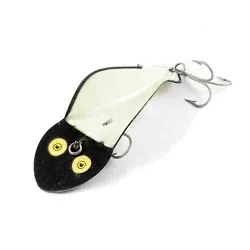
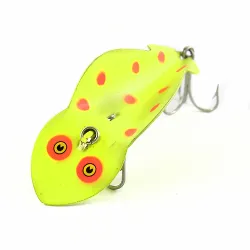
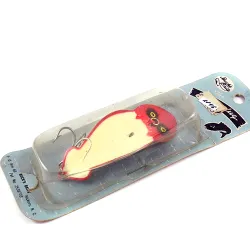
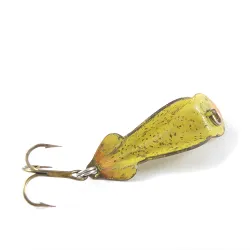
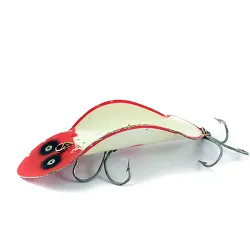
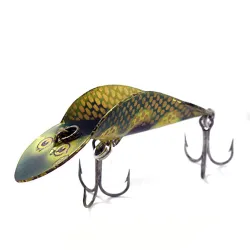
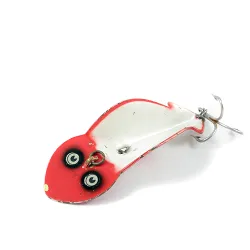
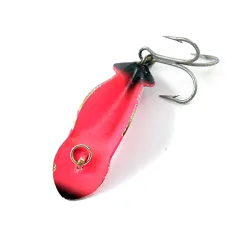
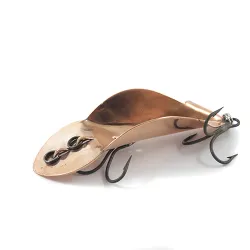
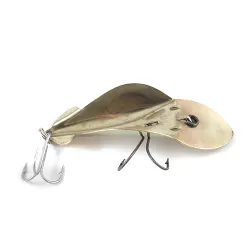
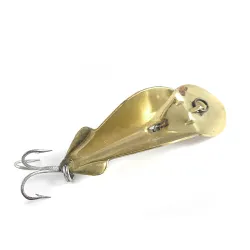
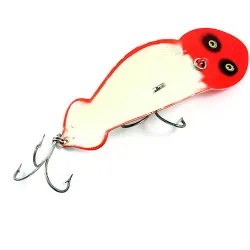
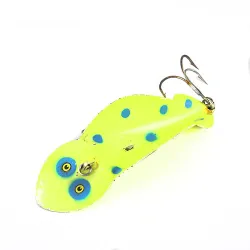
In 1946, Perry patented the Spoonplug, a distinctive lure that functioned as a hybrid between a spoon and a plug. This tool was designed not merely to attract fish but to serve as a depth-finding instrument. By utilizing the Spoonplug, an angler could systematically map underwater topography and determine the exact depth and speed required to trigger a strike. While early sales were modest, a 1957 promotional effort in Chicago, including successful outings on Lake Marie with writer Tom McNally, demonstrated the effectiveness of Perry's methods on heavily pressured waters.
The foundation of Perry’s contribution to angling was his theory of Structure Fishing. He posited that game fish, specifically bass, were not scattered randomly across a lake but were linked to specific underwater features such as ledges, slopes, and creek channels. Perry described these structures as "highways" for fish migration. His system encouraged anglers to move away from shallow-water traditions and instead focus on deep-water structures where larger predators spend the majority of their time.
Among the written works documenting these concepts, Perry published "Spoonplugging: for fresh water bass and all game fish" in 1965 and the more comprehensive "Spoonplugging: your guide to lunker catches" in 1973. In 1981, he expanded his teachings into a nine-volume "Home Study Series," detailing the impact of weather conditions, water clarity, and seasonal movements on structural fishing.