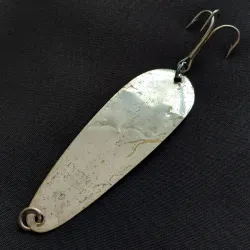
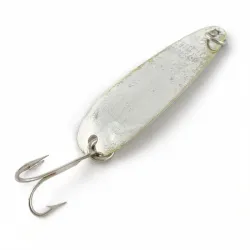
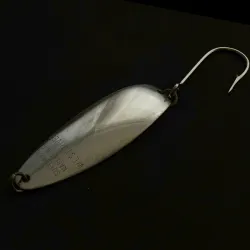
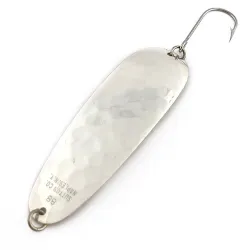
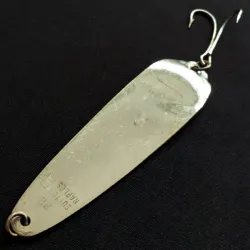
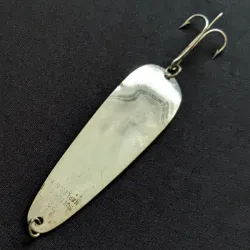
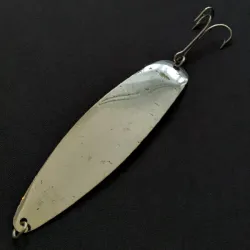
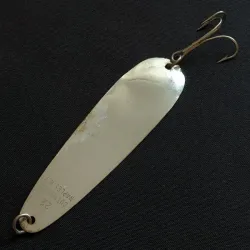
Sutton — Iconic Silver-Plated Flutter Spoons
The Sutton Company has its roots firmly planted in the Finger Lakes region of New York, where Scott R. Sutton, a jeweler and fisherman, began crafting lures in the 1860s. Based in Naples, this family enterprise has maintained a continuous presence for over 150 years, with the current workshop and storefront at 120 South Main Street serving as a hub for the local angling community since 1944. The transition from the founder to the Stafford family in 1930 ensured that the original tools and methods remained in use, preserving a specific style of lure making that is rarely seen in modern manufacturing.
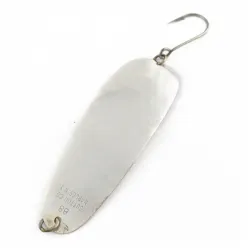
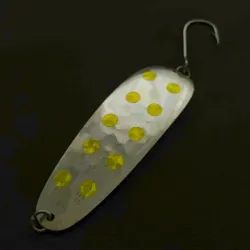
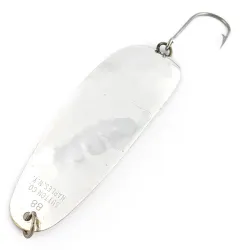
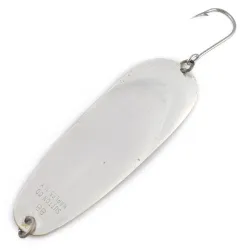
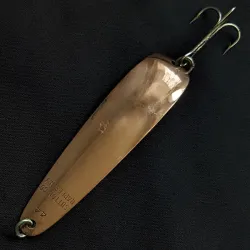
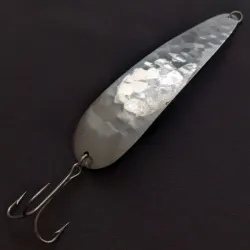
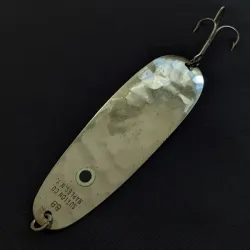
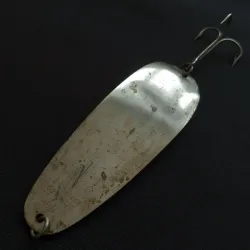
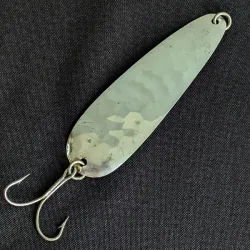
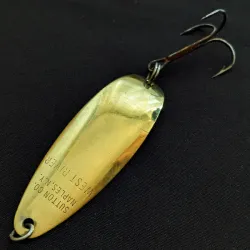
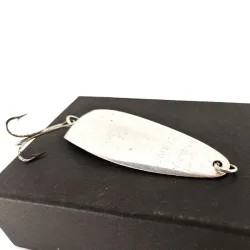
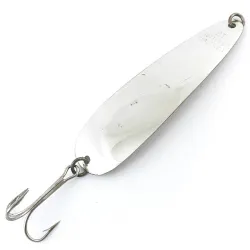
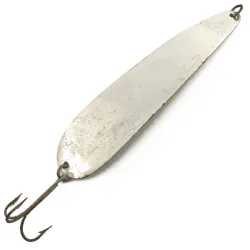
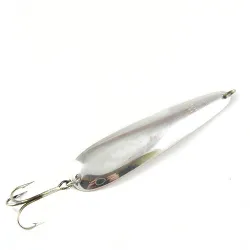
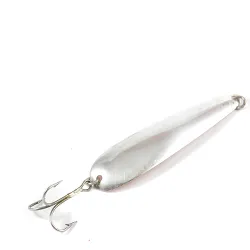
Among the defining characteristics of the company's production is the use of genuine silver plating. Unlike the more common chrome or nickel finishes found on mass-produced lures, silver is utilized for its superior light reflection at significant depths. The base materials include thin spring brass, semi-hard brass, and copper, typically sourced in heavy rolls. These materials allow for the creation of "flutter spoons," which are designed to produce a delicate, quivering action even at the very slow trolling speeds necessitated by traditional rowboat fishing. Because these spoons are often made from exceptionally thin metal, they are susceptible to deformation when landing large fish, a trade-off for their unique underwater performance.
The manufacturing process remains largely hands-on, involving specific technical stages such as annealing and hand-pounding. To prevent the metal from wrinkling or losing its structural integrity, the edges of the spoons are heated using a specialized copper holder that protects the center. While hydraulic presses like the Bliss model are now used for certain steps, the company still employs original dies cast from the hand-tools of earlier generations. Another hallmark of their construction is the use of soldered or welded rings rather than standard split rings, ensuring the connection remains secure during a strike. Every spoon is traditionally wrapped in tissue or silver paper and sold in paper bags, a practice that serves both as a nod to heritage and a method to protect the silver finish from tarnishing during storage.
The assortment includes a variety of models tailored for specific environments and species, such as lake trout and salmon. The Sutton 44 is recognized for its versatility, often utilized for ice fishing, while the Sutton 31 is frequently cited as a standard for trolling. Other models in the range include the Sutton West River, designed for brown trout, and the heavier 88 and 71 series which accommodate slightly higher trolling speeds. A historical curiosity in their catalog is the "727" series, which originated from a stamping error where an extra digit was added to a batch of model 72 spoons. These lures are particularly effective for "pulling copper," an old-school technique involving heavy copper lines to reach the deep haunts of lake trout.
Maintenance is a part of the ownership experience for those using these traditional tools. Because the lures are silver-plated, they naturally oxidize and tarnish over time, though the luster is easily restored with silver polish. The company has famously eschewed modern digital marketing, operating without a website and relying on word-of-mouth and telephone orders. The shop in Naples remains a physical archive of angling history, where the current generation of the family continues to produce lures according to the original 1930s specifications, maintaining a link to the early days of American tackle craft.