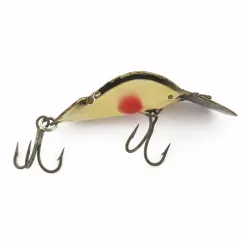
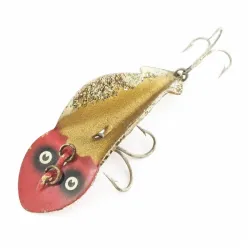
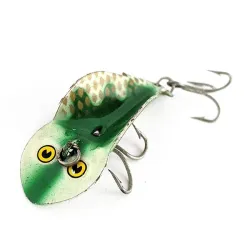
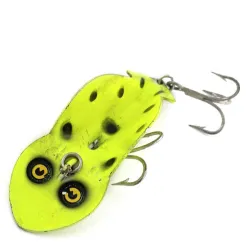
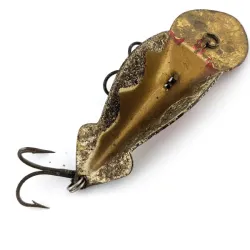
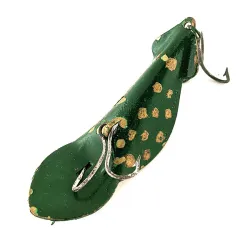
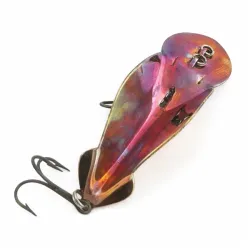
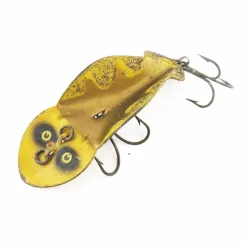
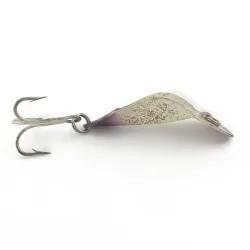
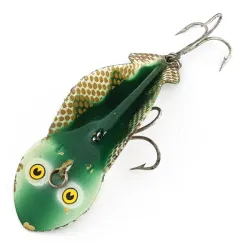
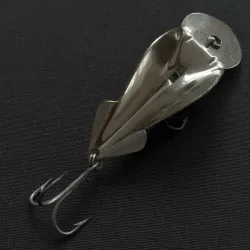
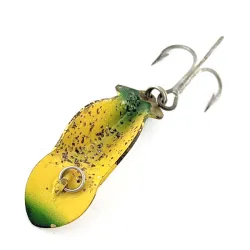
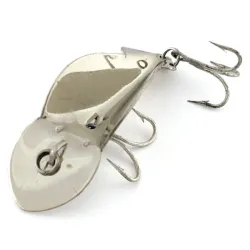
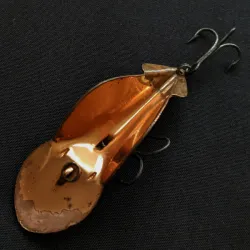
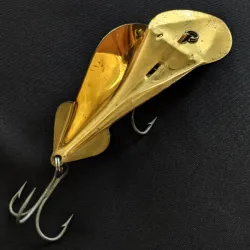
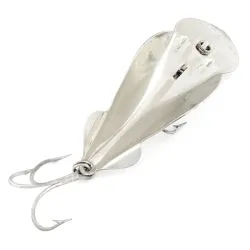
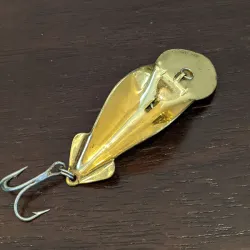
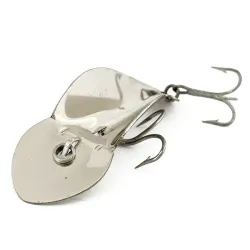
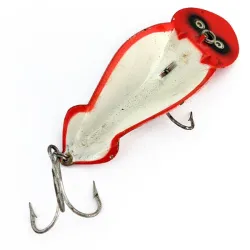
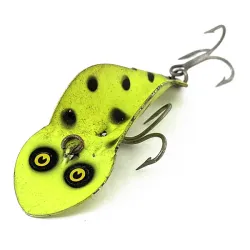
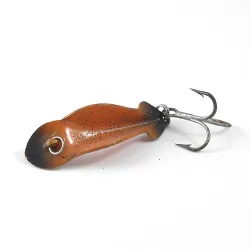
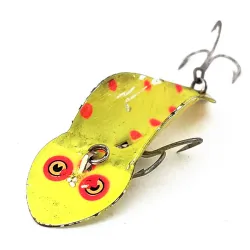
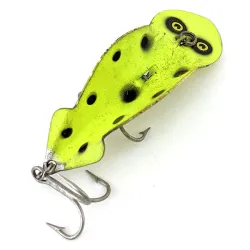
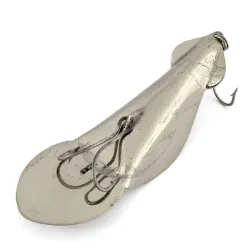
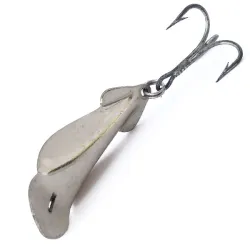
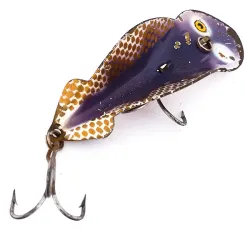
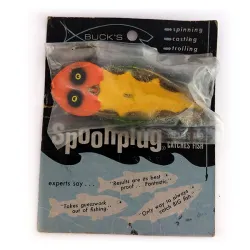
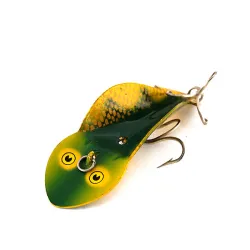
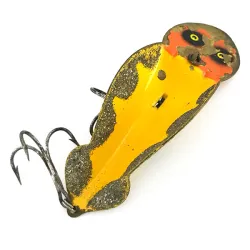
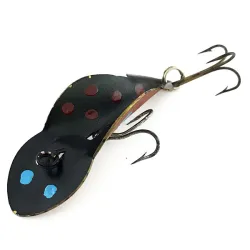
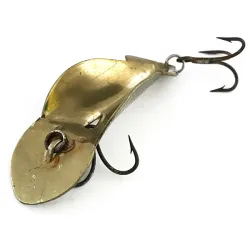
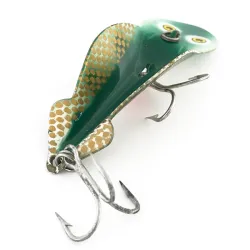
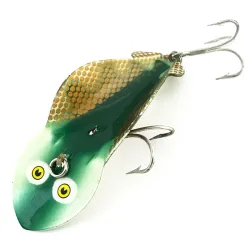
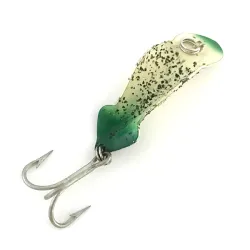
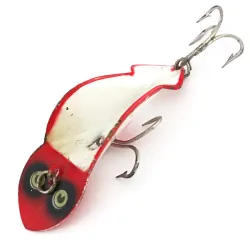
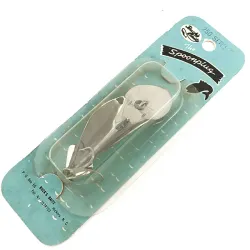
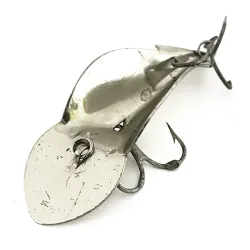
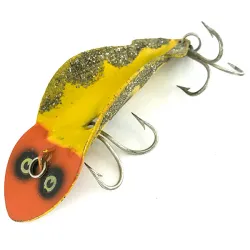
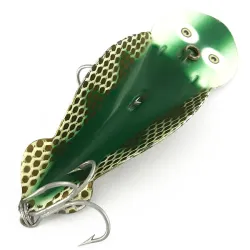
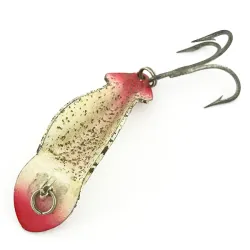
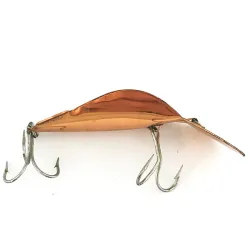
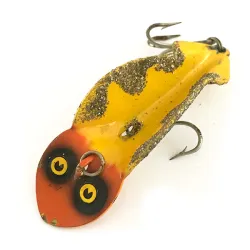
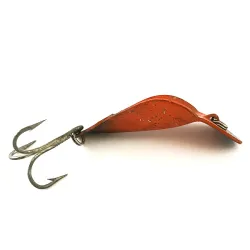
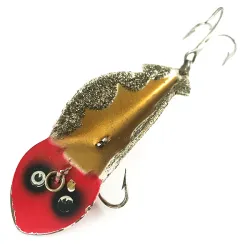
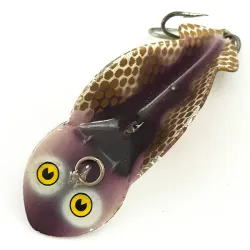
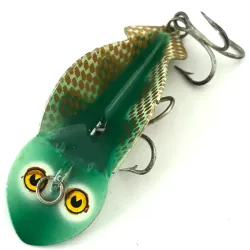
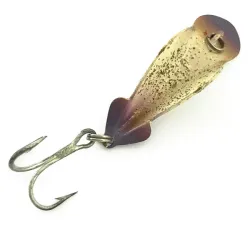
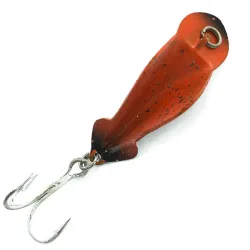
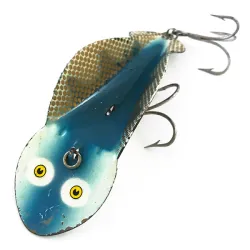
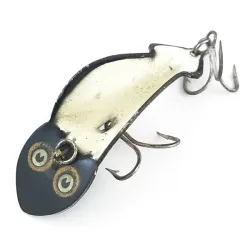
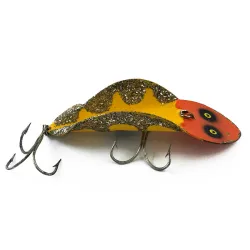
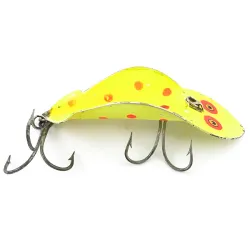
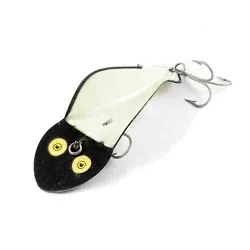
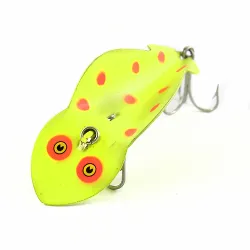
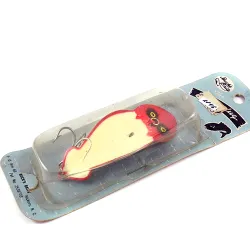
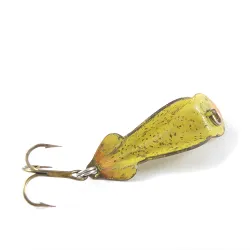
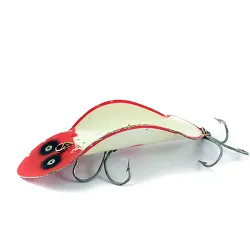
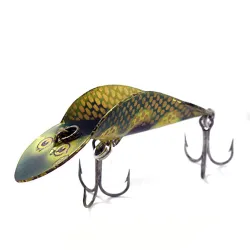
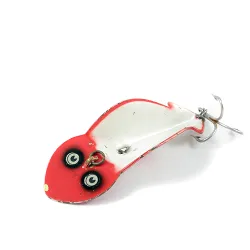
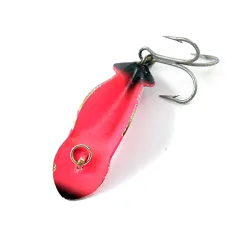
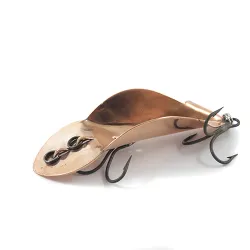
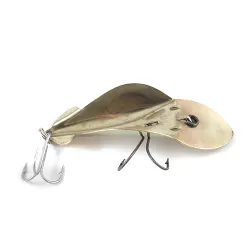
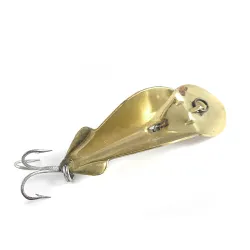
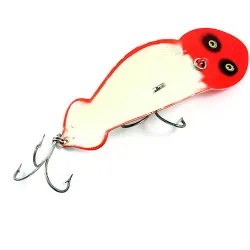
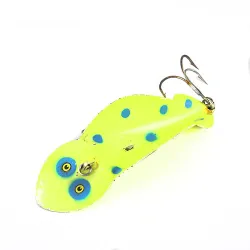
Buck Perry Spoonplug
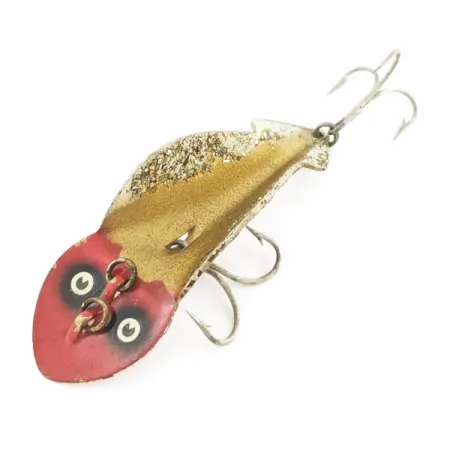
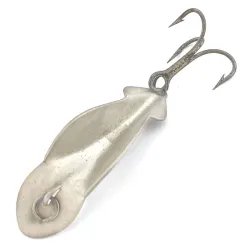
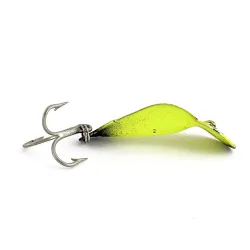
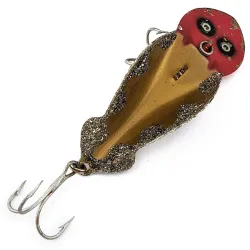
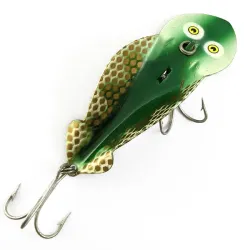
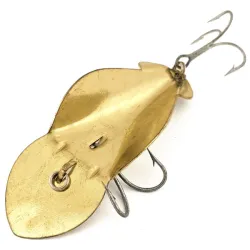
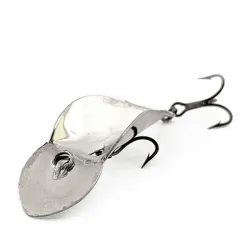
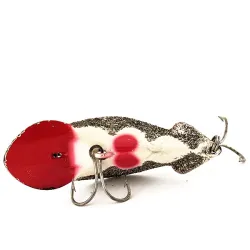
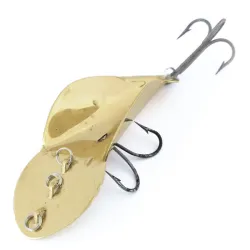
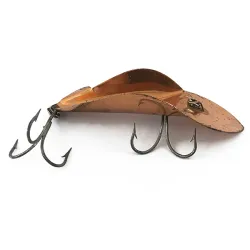
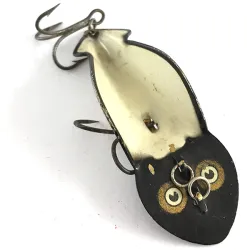
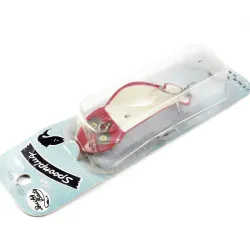
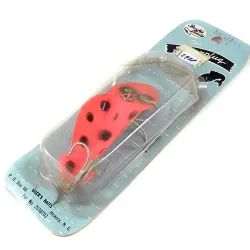
In 1946, Buck Perry patented the Spoonplug, a hybrid lure designed to bridge the gap between a spoon and a plug. Rather than serving as a simple attractant, the Spoonplug was developed as a technical instrument for depth finding. It allows an angler to systematically explore underwater relief, helping to determine the precise depth and speed required to provoke a strike. While early sales were modest, a 1957 promotional campaign in Chicago, featuring successful demonstrations on Lake Marie alongside writer Tom McNally, validated Perry’s methods even in waters with high fishing pressure.
The core of Perry's contribution to angling was his theory of Structure Fishing. He maintained that predatory fish, particularly bass, are not distributed randomly but are tied to specific underwater features such as bars, slopes, and creek channels. Perry characterized these structures as "highways" for fish migration. His system prompted anglers to move beyond traditional shallow-water efforts and instead focus on deep-water structures where larger predators are known to spend most of their time.
The practice eventually became known as "Spoonplugging," an approach Perry documented as both an art and a science. The method relies on the Spoonplug as a tool to map the sub-surface environment and understand the movements of fish relative to the bottom terrain.