Spinnerbait
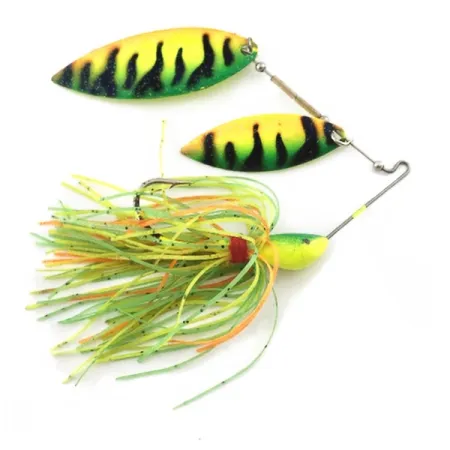
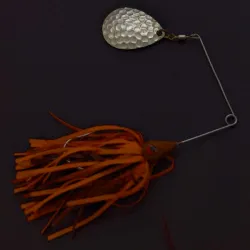
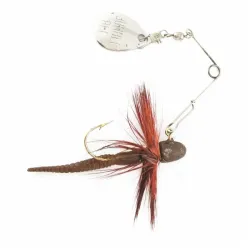
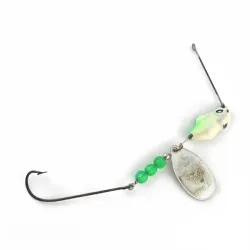
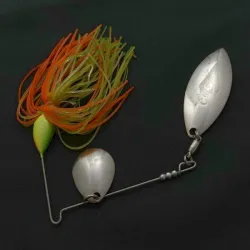
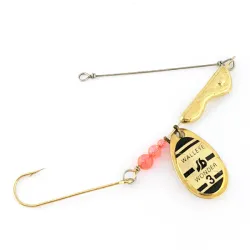
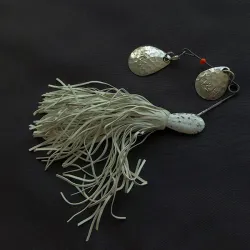
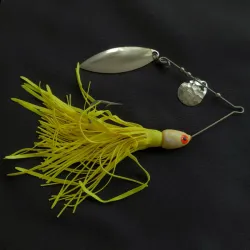
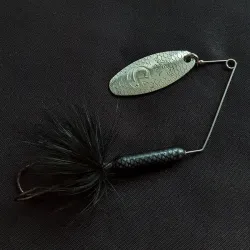
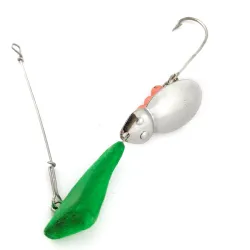
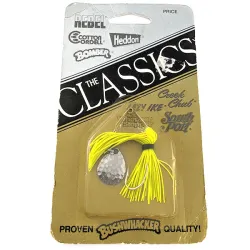
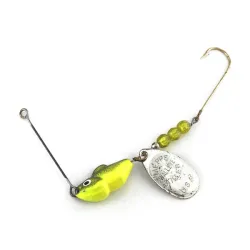
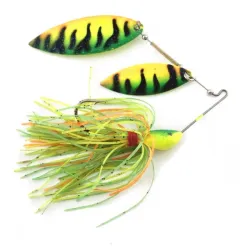
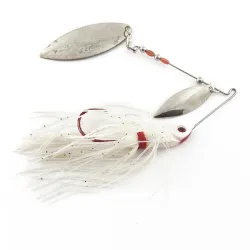
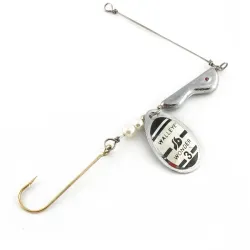
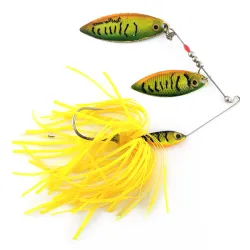
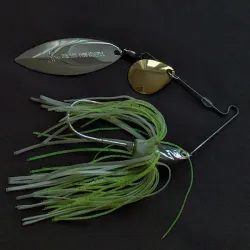
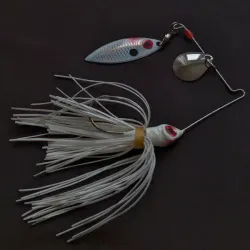
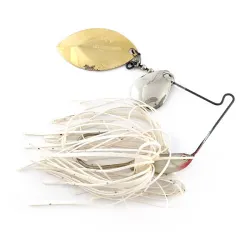
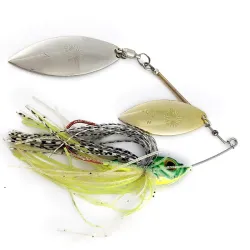
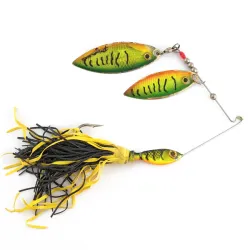
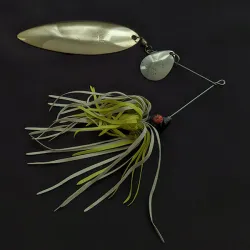
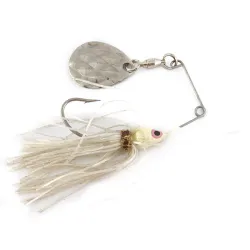
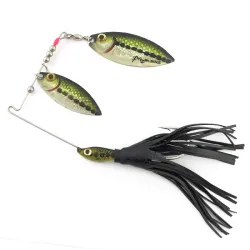
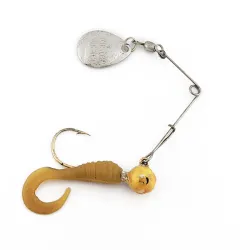
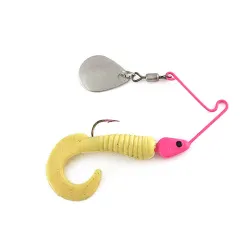
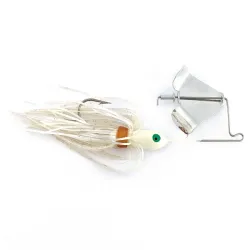
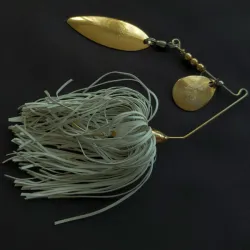
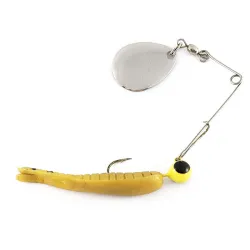
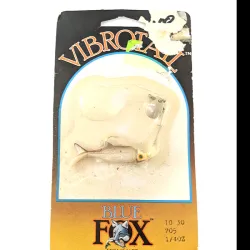
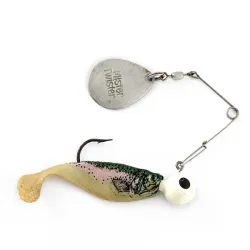
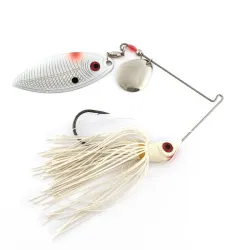
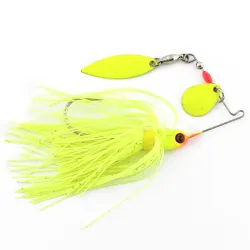
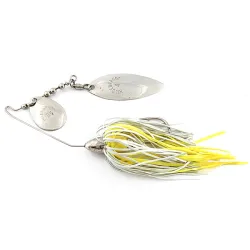
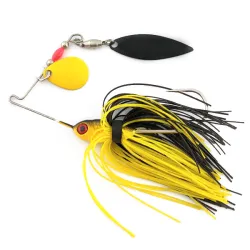
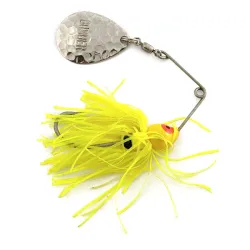
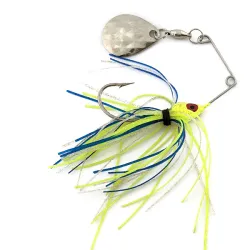
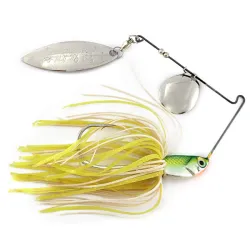
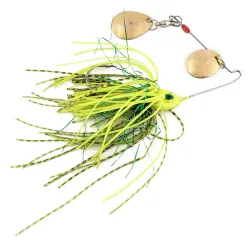
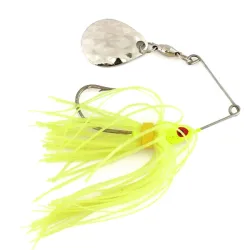
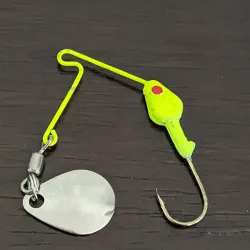
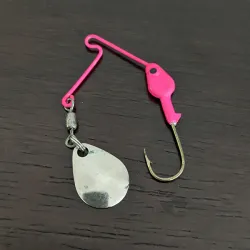
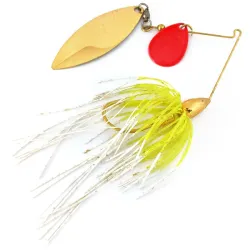
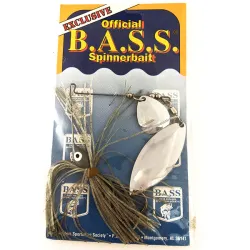
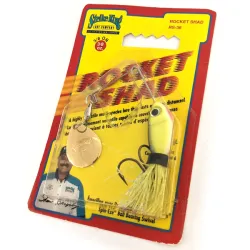
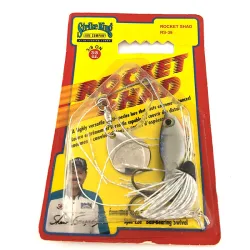
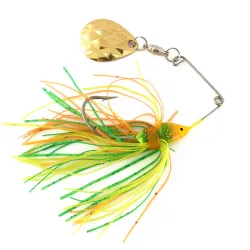
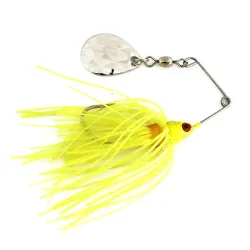
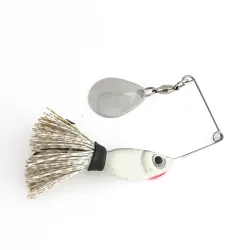
The spinnerbait represents a unique hybrid lure that has no direct equivalent in the natural world, yet it remains one of the most effective tools for targeting predators. Its structural design consists of a wire frame where one arm carries a weighted head fitted with a single hook and a silicone skirt, while the other arm supports one or more rotating metal blades.
The defining characteristic of the spinnerbait is its exceptional weedless capability. Because the single hook point is oriented upwards and shielded by the wire arm, the lure navigates effortlessly through dense lily pads, reeds, and submerged timber—areas where lures with treble hooks would inevitably snag. Beyond its physical passage, the rotating blades generate a powerful hydroacoustic wave and vibration that predators detect via their lateral line from a significant distance. Simultaneously, the voluminous silicone or rubber skirt pulses during movement, creating a substantial silhouette that mimics sizable prey.
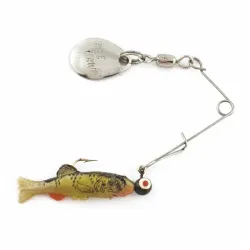
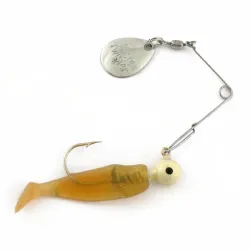
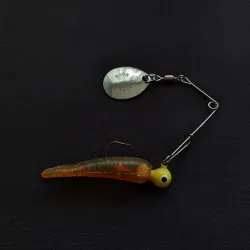
While originally developed for bass fishing, these lures have proven highly successful for other species. Pike are the primary target, particularly those lurking in ambush within aquatic vegetation. Smaller micro-spinnerbaits are used for active perch during the summer, while zander may be targeted in snaggy shallows or during the low-light transitions of dusk when they move to upper breaks to feed.
Effective animation of a spinnerbait involves several fundamental techniques tailored to the predator's activity. A steady retrieve is the most straightforward method, requiring a speed that keeps the blades rotating consistently without causing the lure to break the surface. Alternatively, a "Stop-and-Go" approach allows the skirt to flare while the blades continue to rotate on the drop—a maneuver known as the helicopter effect—which often triggers a strike. The "Bumping" technique involves intentionally contacting the bottom or underwater obstacles; the sudden change in trajectory after hitting a snag frequently acts as the catalyst for an attack.
Seasonality plays a crucial role in the spinnerbait's performance, with peak efficiency occurring during the summer. As water bodies become choked with vegetation and predators seek shade, this lure becomes indispensable. It also performs well in late spring when pike move to the shallows post-spawn, and in early autumn while the weed beds remain standing. To manage these lures, a Medium or Medium-Heavy rod with a fast or moderate action is recommended to ensure the single hook penetrates the predator's jaw. When targeting pike, the use of a rigid metal or heavy fluorocarbon leader is essential, as the lure is often attacked from the side or from behind.