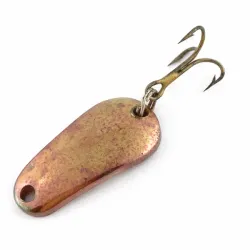
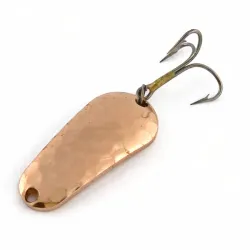
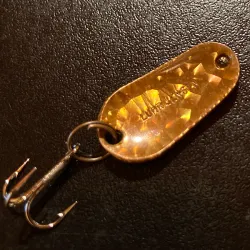
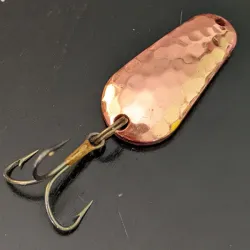
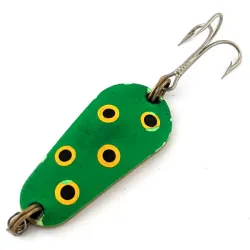
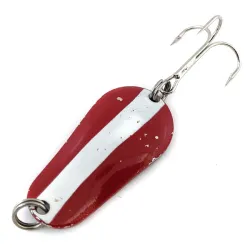
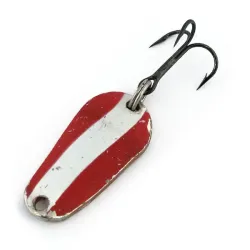
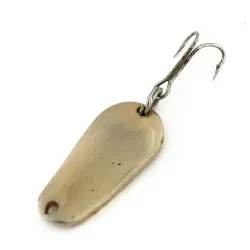
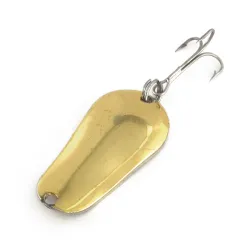
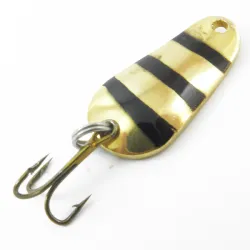
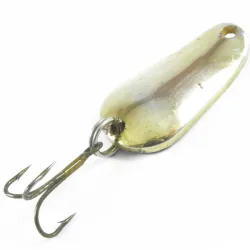
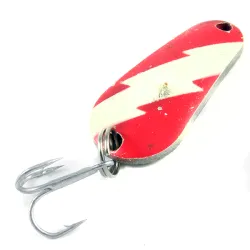
Wob-l-rite and similar spoons
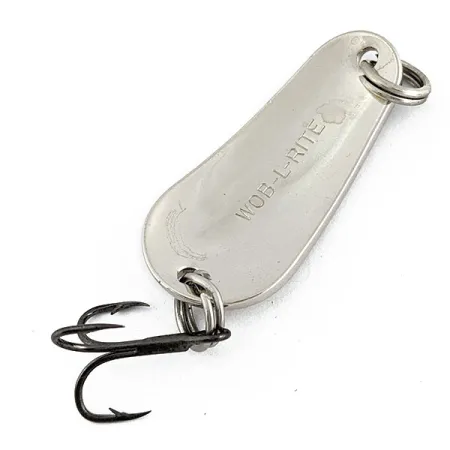
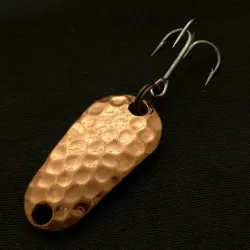
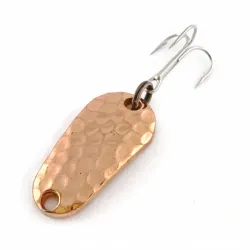
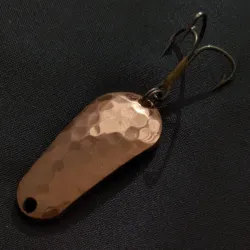
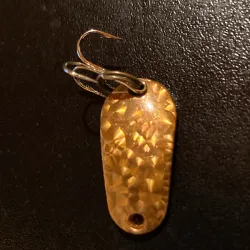
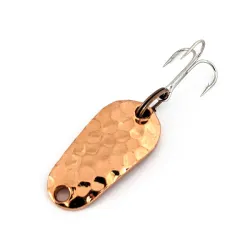
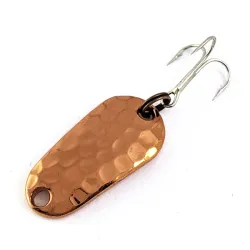
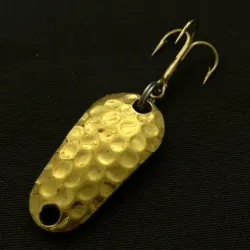
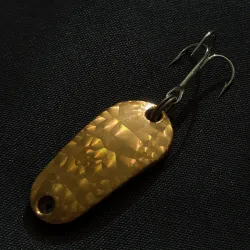
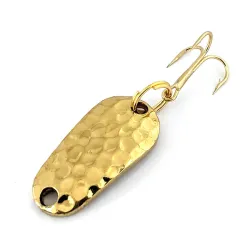
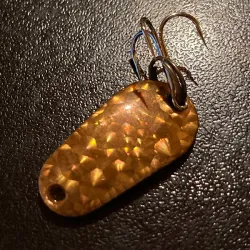
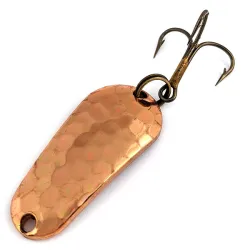
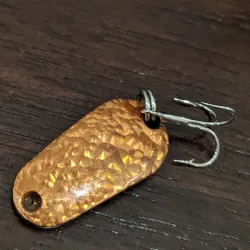
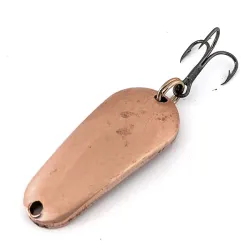
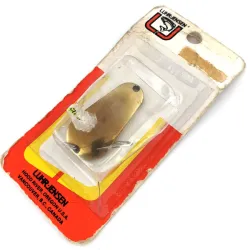
The Wob-L-Rite spoon entered the angling world in 1953, originally introduced by the Seneca Tackle Company based in New York. As a stablemate to other recognized designs like the Little Cleo and Side-Winder, it established a reputation for its distinct action and casting properties. In 1980, the Seneca brand was acquired by Acme Tackle, which continued production while maintaining the lure's original geometry. For a period, the lure was also manufactured by Luhr Jensen under the name Luhr Jensen Luhrs Wobbler, though the Wob-L-Rite has now been out of production for many years.
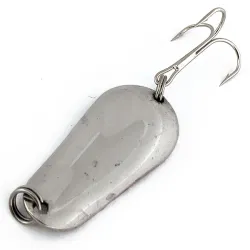
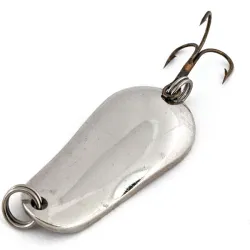
Constructed from high-quality metals including brass, copper, and nickel, the Wob-L-Rite is defined by a compact, heavy-bodied design. This profile provides the density required for long-distance casting, particularly in windy conditions where lighter lures might falter. During the Seneca era, the weight range was notably broad, spanning from an ultralight 1/8 oz (3.5g) to the massive 3 oz Troller model, which featured a 5 1/2-inch blade. Following the acquisition, Acme narrowed the selection to four specific weights: 1/8 oz (3.5g), 1/4 oz (7g), 5/16 oz (9g), and 1/2 oz (14g). The heaviest versions of the lure remained exclusive to the original Seneca production runs.
The technical versatility of the Wob-L-Rite allows for several distinct presentation methods across different environments. On a standard spinning setup, it performs well with a steady retrieve or a stop-and-go cadence. Its design is particularly effective for ultra-slow retrieves, as it maintains a stable wobble even at minimum speeds, which is often necessary for tempting passive predators. For deep-water applications, the Seneca Junior Troller and Troller models were engineered to track steadily without twisting the line. Anglers also utilized the heavier 1 oz models for surf casting, where maximizing distance from the shoreline is a primary requirement.
The lure's application covers a wide spectrum of species in both fresh and saltwater. In inland waters, it has been used for trout, bass, perch, pike, walleye, pickerel, salmon, and muskellunge. Saltwater anglers targeted a variety of hard-fighting fish with the Wob-L-Rite, including tarpon, snook, striped bass, bluefish, and barracuda.