Creek Chub — Vintage Wooden Lures and Plugs

Founded officially in 1916 in Garrett, Indiana, the Creek Chub Bait Company originated from an idea conceived in 1906 by Henry Dills, Carl Heinzerling, and George Schulthess. Henry Dills acted as the primary inventor and designer, leading the firm to become a significant manufacturer of artificial lures by the 1930s.
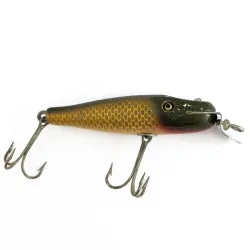
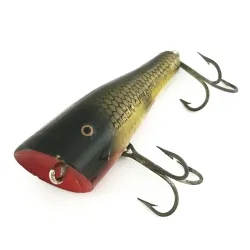
In 1919, Dills patented a specific painting process that became a standard in the industry. The technique involved spraying paint through a fine mesh onto the wooden bodies of the lures to create a scale pattern. This method allowed for a specific level of detail on the wooden surface of the plugs.
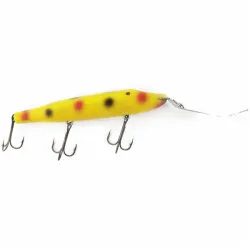
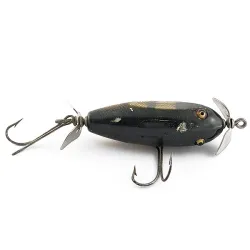
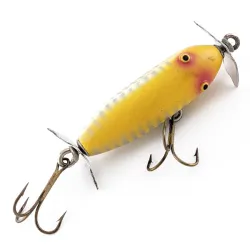
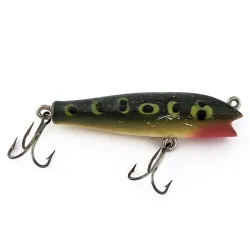
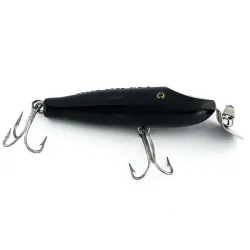
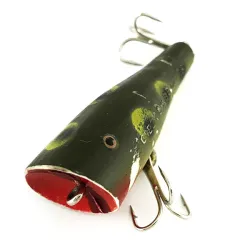
The company’s catalog featured several distinct lures. The Wriggler, released in 1916 as their first commercial product, utilized a movable metal lip to create a specific action in the water. In 1920, the company introduced the Pikie, a lure designed to imitate the profile of a pike. Other lures in the range included the Injured Minnow, a lipless topwater plug designed to splash on the surface, and the Darter, which was intended for deep-water jigging.
While many manufacturers transitioned to plastic materials during the 1950s, this company maintained the use of wood for its lure production. This commitment to wooden construction continued until the company was sold to the Lazy Ike Corp in 1978, leading to its eventual closure. These wooden lures remain subjects of interest for collectors focusing on the history of American fishing tackle.