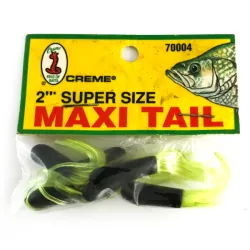
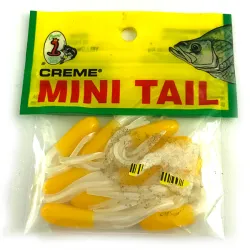
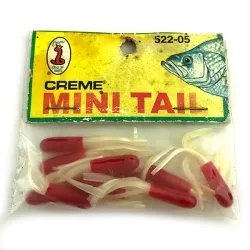
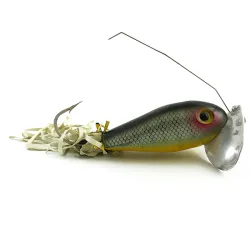
Creme — Pioneer of Soft Plastic Lures

The development of the first modern soft plastic worm began in 1949 in Akron, Ohio. Nick Creme, a machinist and angler, and his wife Cosma experimented with mixtures of vinyl, oils, and pigments on their kitchen stove. Their objective was to produce a lure that remained soft and flexible over time, a departure from the rigid rubber baits available during that period. This process led to the creation of the inaugural soft plastic worm.
In 1951, the company brought the Wiggle Worm to the commercial market. This model, which later became known as the Scoundrel, was first showcased at the Cleveland Sportsman's Show. The volume of mail-order requests following the event necessitated a transition from home-based production to a dedicated factory. By 1959, operations were relocated to Tyler, Texas, where the company is still based.
The emergence of the Texas Rig in the early 1960s further integrated these soft plastic baits into standard fishing practices. While the Scoundrel was frequently sold as a pre-rigged lure, it became widely used for weedless presentations in heavy vegetation and submerged brush. The design was intended to imitate the movements of an earthworm, used by anglers targeting species such as bass, pike, and walleye.
The company continues its manufacturing traditions under the leadership of the Kent family. Among the items in the catalog, the Scoundrel remains a staple, utilizing the material formulas developed in the company's early years. The history of the manufacturer is defined by the transition of soft bait production from kitchen experimentation to an established segment of the tackle industry.