Jake's Lures

Jake’s Lures
The History: Born in the Mountains, Perfected for Trout
Jake's Lures Company was founded by Jake and Martha Selak in the Intermountain West of the United States, likely in the late 1950s or early 1960s. Operating out of Idaho, the company's focus was clear from the start: developing specialized, easy-to-use tackle that was deadly effective for cold-water species like Rainbow Trout, Cutthroat Trout, and Kokanee Salmon in the region's mountain lakes and reservoirs.
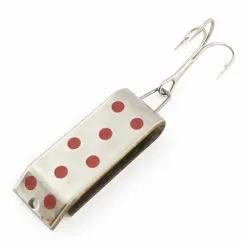
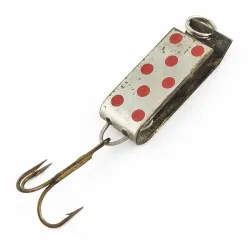
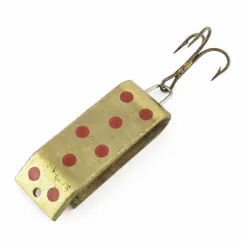
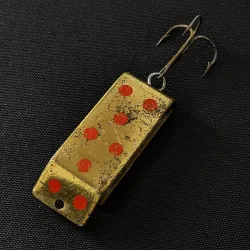
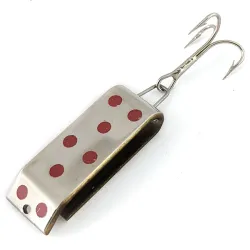
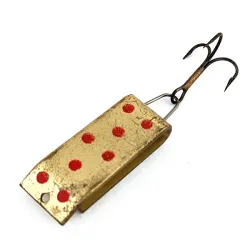
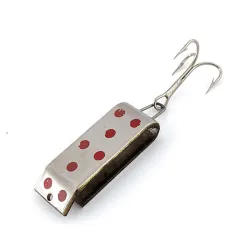
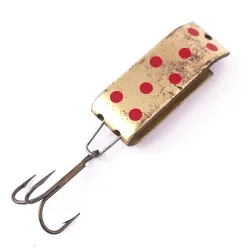
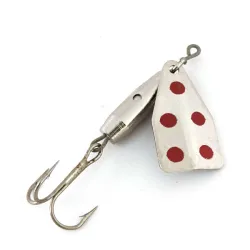
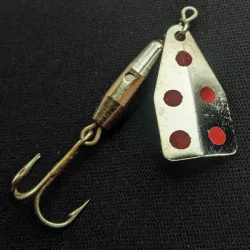
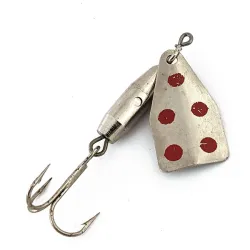
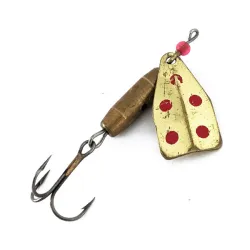
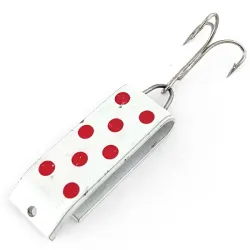
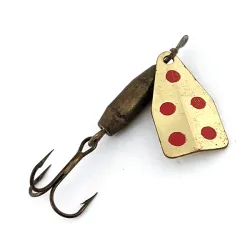
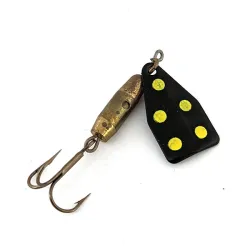
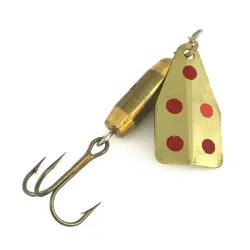
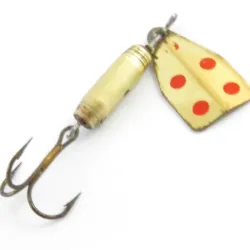
The company's success rests almost entirely on one iconic design: the Jake's Spin-a-Lure (commonly just called "Jake's"). Its innovative combination of elements—a spoon body paired with a spinner blade—made it stand out in the tackle box.
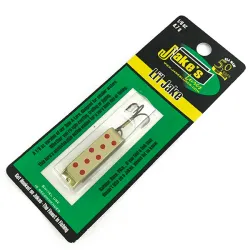
Today, Jake's Lures continues its legacy under the ownership of the Yakima Bait Company (which also maintains the legacy of Canadian Wiggler). This ensures that the original specifications, action, and famous color patterns of the Spin-a-Lure remain unchanged, continuing its tradition as a staple for trout anglers across North America.
The Jake’s Spin-a-Lure Dual Action Dominance
The Jake’s Spin-a-Lure is an engineering marvel of simplicity, combining the flash of a spoon with the rotational action of a spinner.
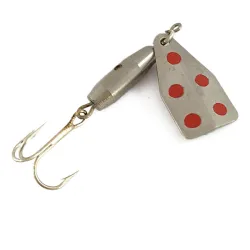
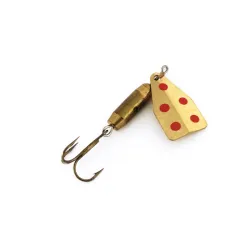
Dual Action: The lure features a main body that wobbles like a traditional spoon (imitating an injured baitfish) while a separate spinner blade positioned either above or below the body rotates rapidly, creating maximum vibration and flash. This dual action is a powerful attractor in the deep, clear waters often frequented by trout and salmon.
The "Spooner" Design: The unique profile, which is wider and shorter than many traditional spoons, gives it a characteristic, aggressive movement even at slow retrieves or while trolled, making it visible and tempting from a distance.
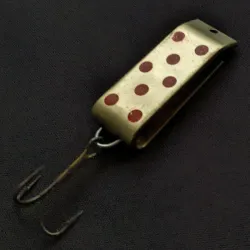
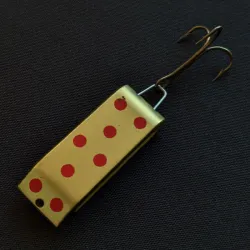
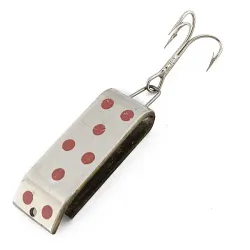
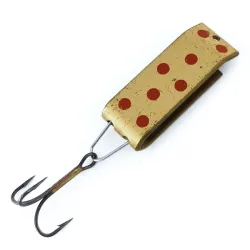
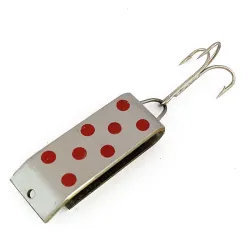
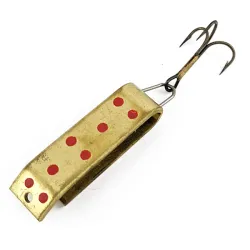
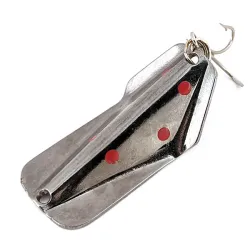
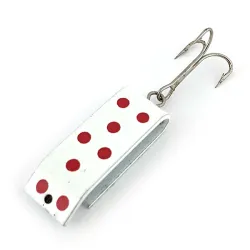
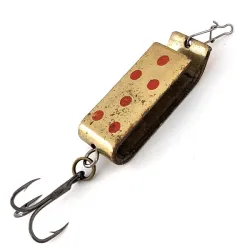
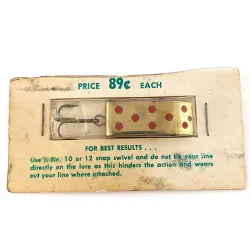
Color Schemes: The lure is famous for its vibrant, high-contrast colors, particularly those featuring bright metallic finishes combined with fluorescent spots (like the classic "Yellow with Red Spots" or "Frog" pattern), which are essential for attracting Kokanee and Trout in low-light or deep-water conditions.