James E. Clark
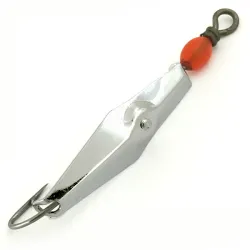
The story of the Clark Spoon is a classic tale of American ingenuity and fishing heritage, stretching back almost a century. It begins in the late 1920s in St. Petersburg, Florida, with James Clark, a skilled machinist by trade. Frustrated with the gear available, Clark didn't just buy lures—he crafted them. From his machine shop, he designed the original Spoon Squid (which became known simply as the Clark Spoon), forging an enduring legacy.
The family, including James J. Clark, proudly kept the original equipment running for decades, a true testament to the founder’s craftsmanship. The end of an era came in March 1999, when the Clark family sold the business. The new chapter began with Al Brister and his partners, who took the helm. They respected the legacy deeply, carefully moving the original machinery - some of it nearly 70 years old—to its new home in Morehead City, North Carolina.
The Clark Spoon is not just a piece of metal; it’s a time-tested weapon in the saltwater angler's arsenal.
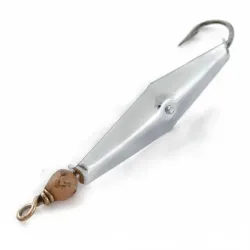
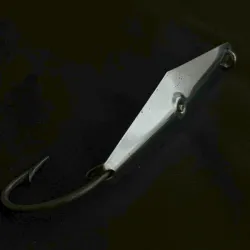
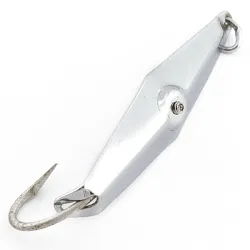
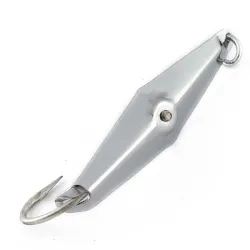
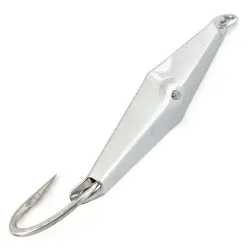
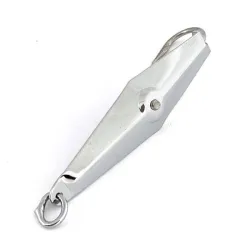
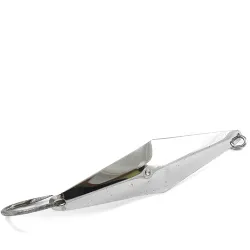
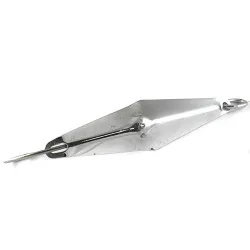
Designed to perfectly imitate the primary forage fish like the silverside and glass minnows, the Clark Spoon's slender, metallic profile and tight, signature wobble are irresistible.
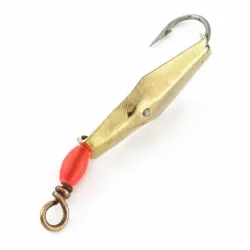
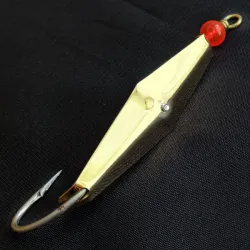
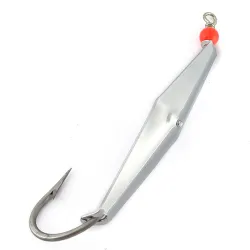
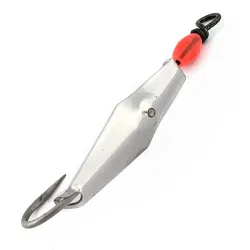
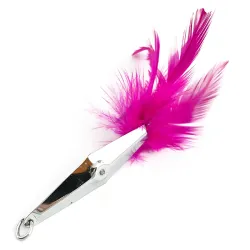
Trolled at speed, this chrome or 24k gold-plated lure creates a mesmerizing flash and a subtle, high-speed spin. This life-like action perfectly triggers the predatory instinct of aggressive species.
It is the undisputed "go-to" lure for chasing Spanish mackerel and bluefish. The larger sizes are equally devastating on school kingfish, bonita, and false albacore.
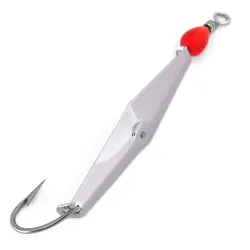
Rigging Wisdom: The key to success often lies in trolling the lure beneath the surface, paired with a diving planer or trolling sinker, ensuring it dances right in the feeding zone where the toothy predators lurk. Its built-in swivel with red beads is a subtle yet crucial detail that prevents line twist and adds an extra flash of attraction.