Jamison Tackle

Jamison Tackle: Chicago’s Masterclass in Weedless Fishing
The history of the W. J. Jamison Company is a story of how a single invention can transform an entire industry. This Chicago-based firm didn't just manufacture lures; they solved the primary headache of early 20th-century anglers: how to catch predators in thick vegetation without snagging.
The Foundation: 1904
The company was founded in 1904 in Chicago, Illinois, by William J. Jamison. He was not merely an entrepreneur but an elite tournament caster. His competitive experience served as the blueprint for lures that are today considered the gold standard of vintage fishing tackle.
Shannon Twin Spinner: A Weedless Revolution
The company’s most famous creation was the Shannon series. At a time when most lures were overloaded with exposed treble hooks, Jamison proposed a concept that worked where others were powerless.
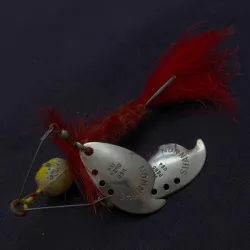
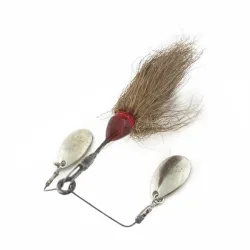
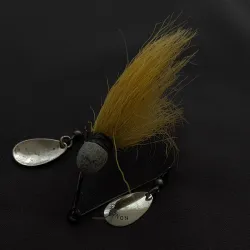
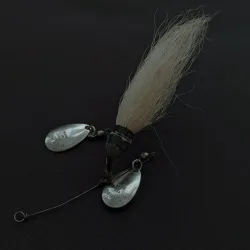
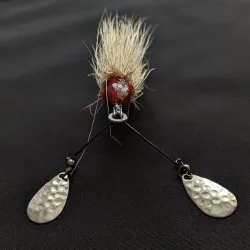
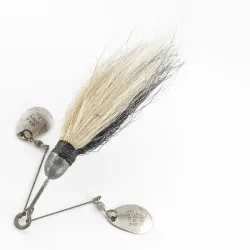
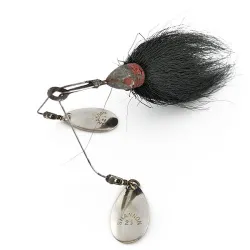
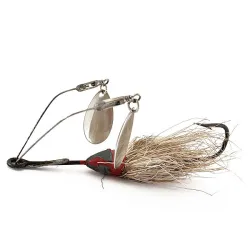
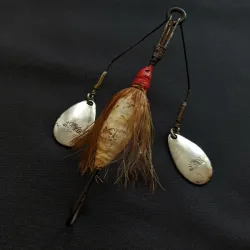
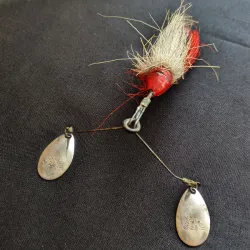
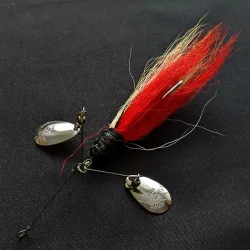
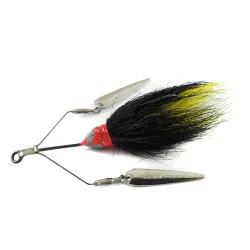
Shannon Persuader: This was a twin-propeller (Twin Spinner) lure. The main innovation lay in its construction: two spinner blades rotated in front of a hook that was protected by a metal frame or stiff feathers/hackle.
Effectiveness: Thanks to the Twin Spinner system, the lure created powerful vibrations and visual flash while gliding easily through lily pads and timber. This made it a favorite among hunters of trophy bass and muskellunge.
Technical Achievements and Facts:
Materials: Jamison utilized high-grade steel for frames and natural materials—often bucktail or rooster hackle—to mask the hooks and provide lifelike action.
Tournament Casting: William J. Jamison actively promoted the brand through casting competitions. In 1905, he won the prestigious National Fly Casting Championship, which served as the ultimate advertisement for his products.
The Coaxer Lure: Another legendary Jamison creation. It was a surface lure with a white body and red felt wings. It lacked hanging belly trebles, specifically designed to remain weedless in the heaviest cover.
Collectibility Today
Jamison Tackle lures, especially those in their original early-century cardboard boxes, are highly sought after by collectors. The Shannon Persuader models are particularly valued for their mechanical complexity and the preservation of original feathers, which often deteriorate over time.
For Google and fishing experts alike, the Jamison story is a prime example of how specializing in "weedless" technology created a niche that remains relevant over 120 years later.