Berkley — History of Fishing Lines and Scented Baits
In 1937, in Spirit Lake, Iowa, sixteen-year-old Berkley Bedell began tying and selling fishing flies, establishing the foundation of what would eventually become a prominent name in the tackle industry. This initial focus on hand-tied flies provided the groundwork for the company’s long-standing connection to tackle craftsmanship and technical development.
The post-war era signaled a shift toward the production of specialized fishing lines. During the 1950s, the company introduced Trilene, a nylon monofilament that became a staple for anglers seeking reliable line performance. By the 1990s, the catalog expanded to include FireLine, a thermally fused microfilament designed to offer heightened sensitivity and tensile strength compared to traditional monofilaments.
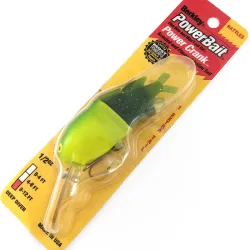
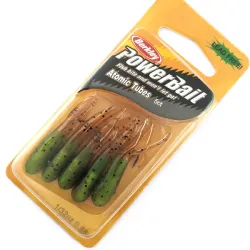
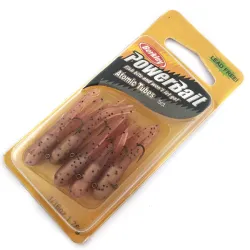
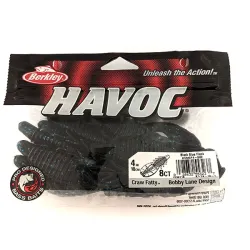
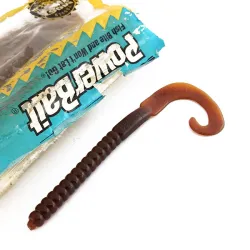
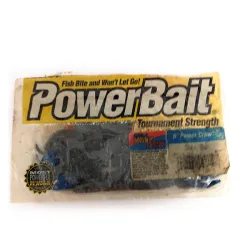
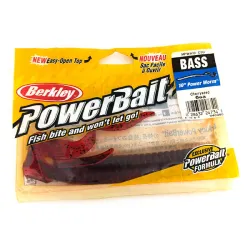
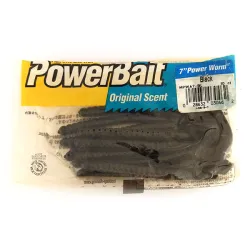
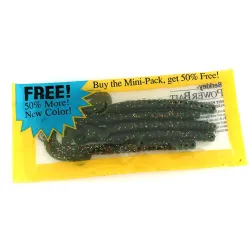
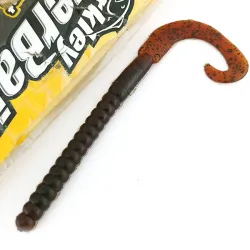
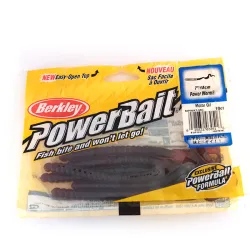
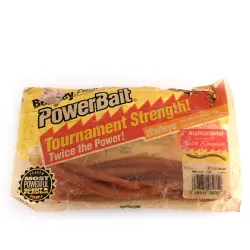
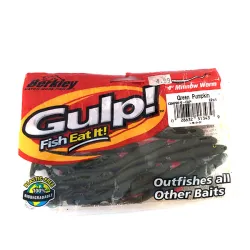
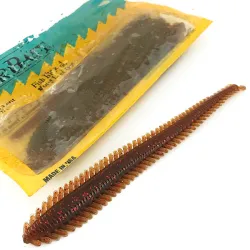
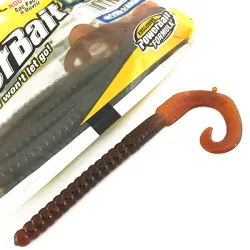
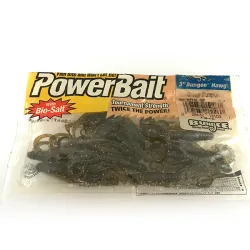
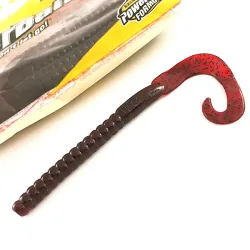
Scientific research into fish behavior led to the development of specialized soft baits and attractants. In the 1990s, the PowerBait series was introduced, featuring synthetic soft plastic infused with scents and tastes designed to encourage fish to retain the lure longer. This was followed in the 2000s by the Gulp! series—biodegradable, water-based lures engineered for rapid scent dispersal in the water column, often serving as a substitute for live bait in both freshwater and marine environments.
Currently operating as part of the Pure Fishing portfolio, Berkley continues to offer a range of products, including various types of lines and scented soft baits developed through laboratory testing and field observation.