Blade Baits
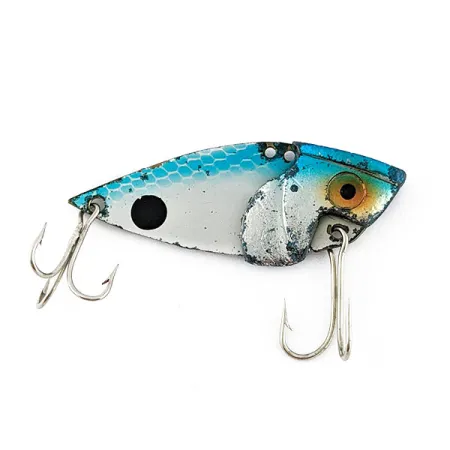
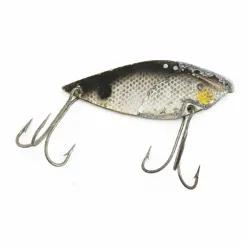
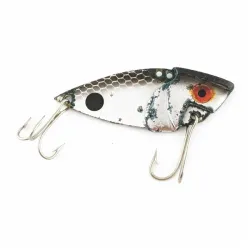
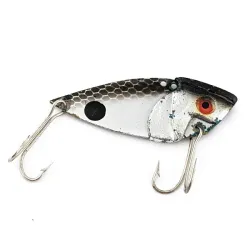
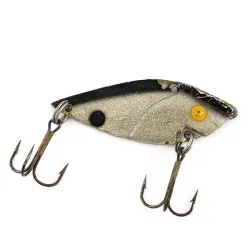
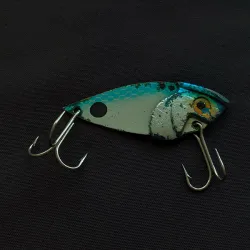
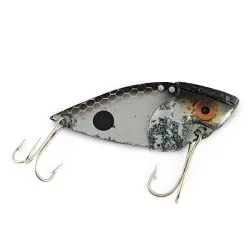
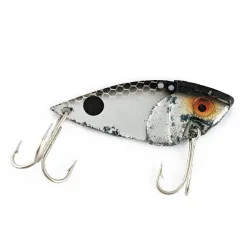
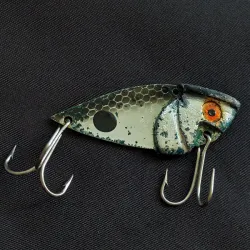
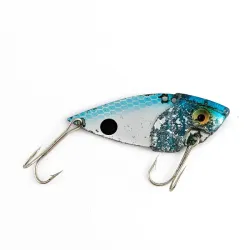
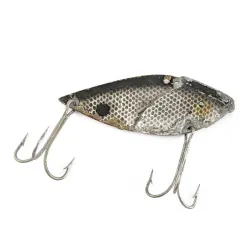
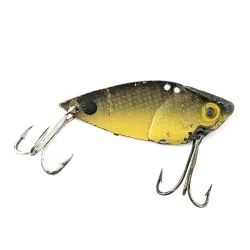
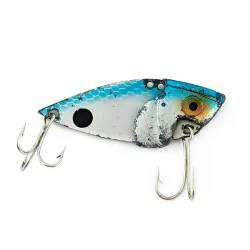
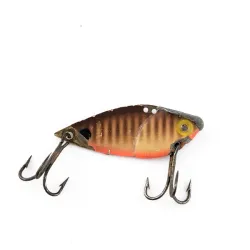
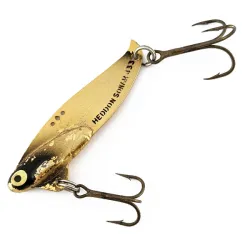
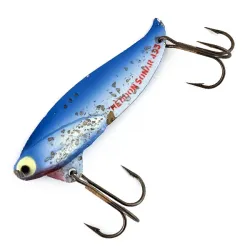
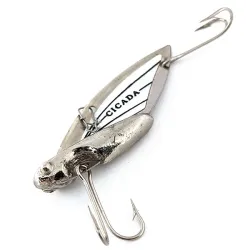
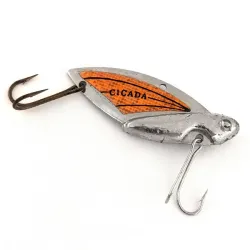
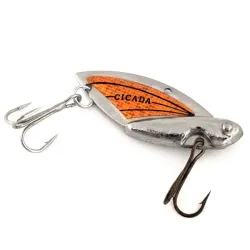
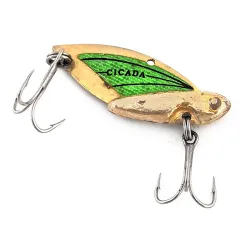
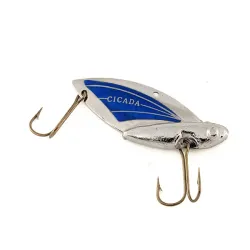
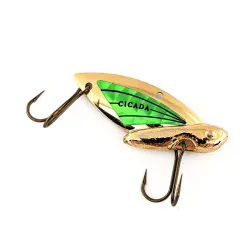
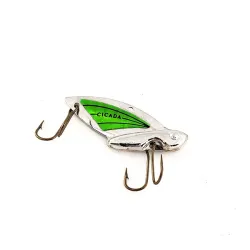
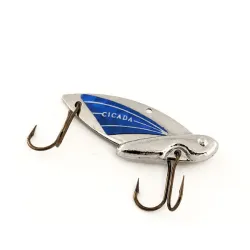
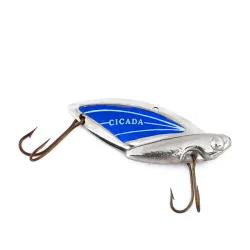
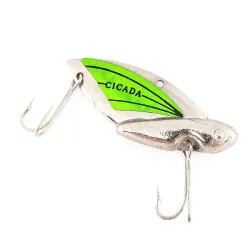
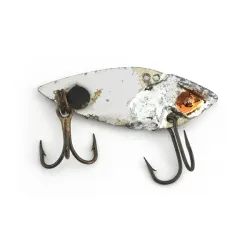
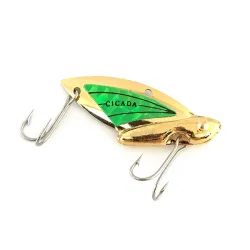
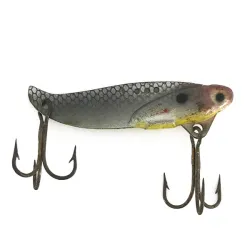
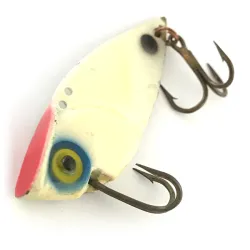
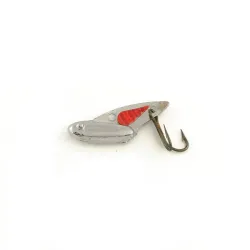
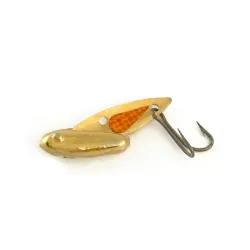
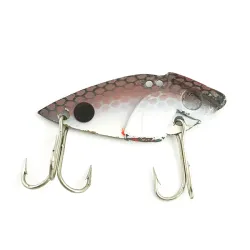
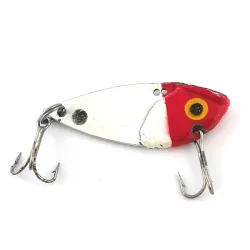
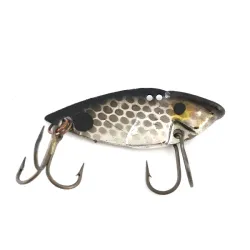
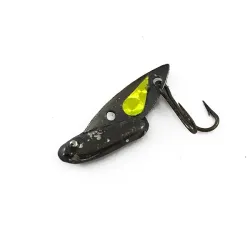
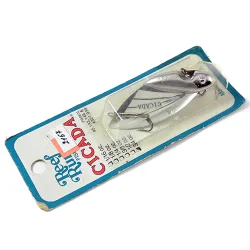
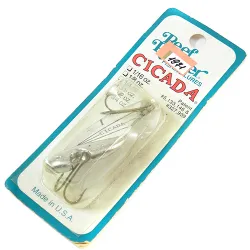
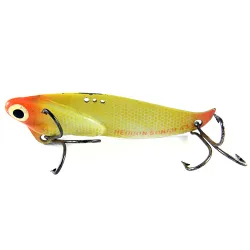
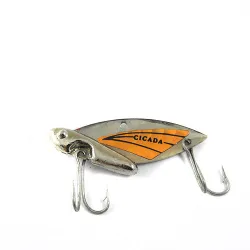
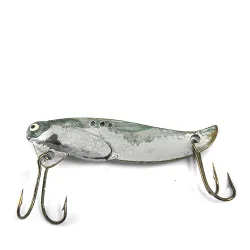
Blade baits, often referred to as cicadas, represent a specialized class of metal lures engineered for depth and current. Despite their outward simplicity, these lures produce some of the most intense actions found in a tackle box. The flat metal body combined with a specific mounting point on the back generates powerful high-frequency vibrations that predatory fish can detect via their lateral line from significant distances, even in turbid water or total darkness.
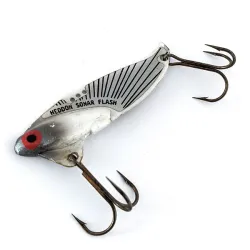
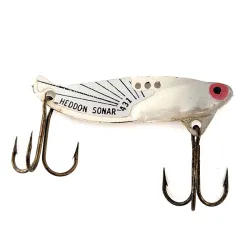
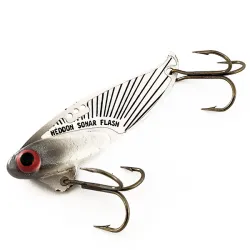
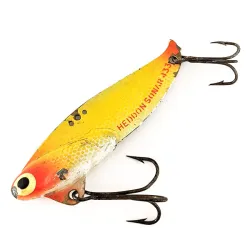
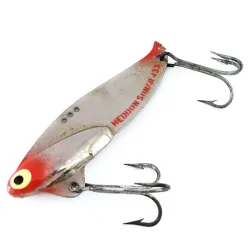
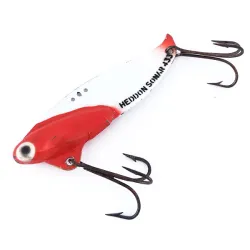
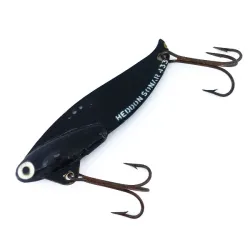
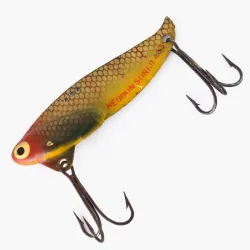
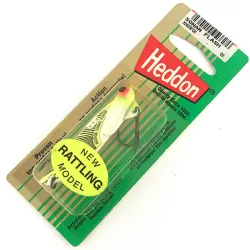
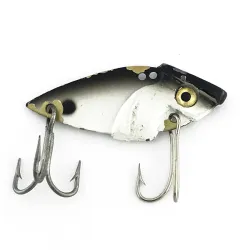
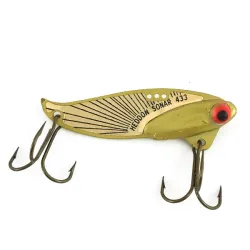
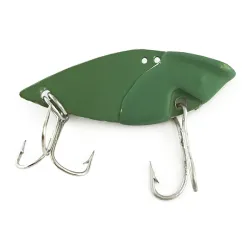
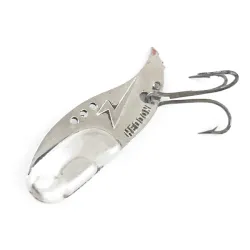
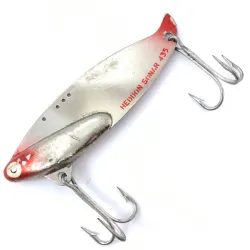
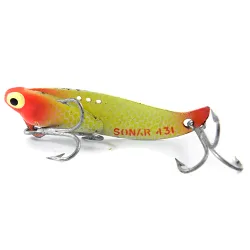
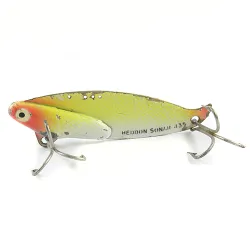
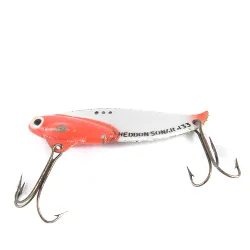
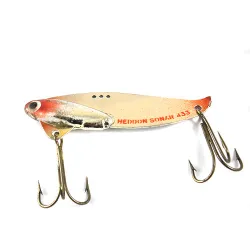
Within this category, certain designs like the Cotton Cordell Gay Blade and the Heddon Sonar have set the standard for performance. The Gay Blade is distinguished by its flat forehead and a unique body curve that allows the lure to start vibrating instantly, even with minimal movement. This design incorporates multiple attachment points to vary water resistance; positioning the snap closer to the head reduces resistance, facilitating a faster retrieve. Meanwhile, the Heddon Sonar is a classic model featuring several holes along its spine, allowing anglers to manually calibrate the vibration intensity and the lure's running angle.
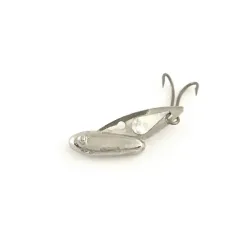
The physical properties of blade baits offer distinct advantages in terms of casting and versatility. Due to their compact size, significant weight, and lack of a plastic lip, these lures possess excellent aerodynamic properties, frequently outdistancing crankbaits of similar mass. The multi-hole attachment system typically offers three distinct configurations: the front hole for high-speed retrieves with tighter vibration, the middle hole for universal applications at moderate depths, and the rear hole for maximum vibration and vertical presentations.
Mastering the blade bait requires understanding its behavior across various water columns and retrieval styles. A steady retrieve is particularly effective in mid-water for active perch or asp, where the angler should feel a distinct shiver through the rod tip. Alternatively, a stepped or jigging retrieve utilizes the lure’s effectiveness on the fall; a sharp lift after bottom contact creates a powerful impulse that attracts zander and pike. For vertical jigging from a boat or through the ice, the lure vibrates on the upward stroke and glides erratically on the descent.
These lures are effective against a wide range of predators depending on the size and depth targeted. Smaller and medium-sized cicadas are known for drawing in schools of perch from large areas. For zander, they are indispensable along deep river ledges and holes where vibration helps the fish pinpoint the target. The Gay Blade’s casting range makes it a go-to for surface-feeding asp, while larger blade bait models often serve as a specialized tool for reaching pike holding at depths exceeding four to five meters.