Crystal spoons
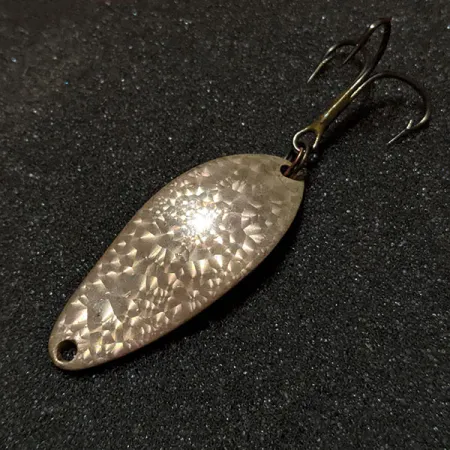
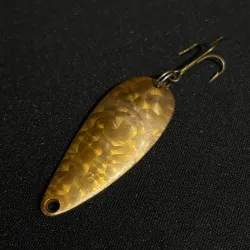
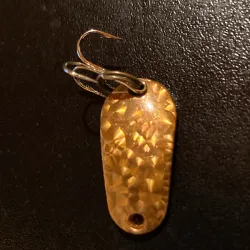
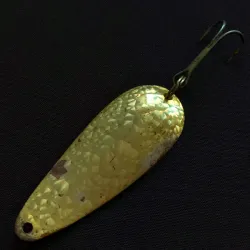
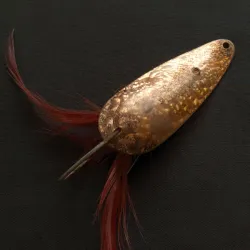
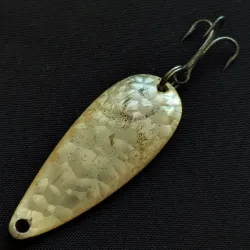
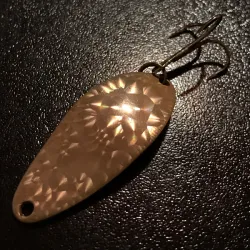
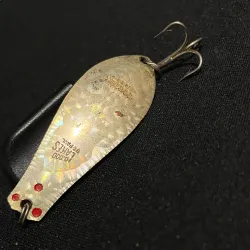
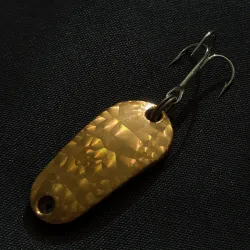
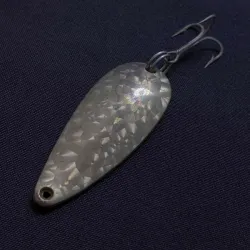
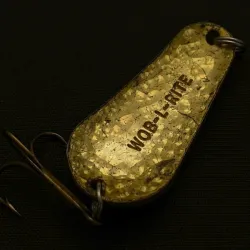
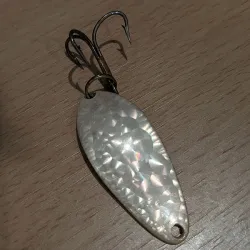
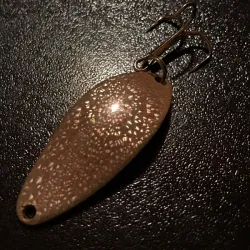
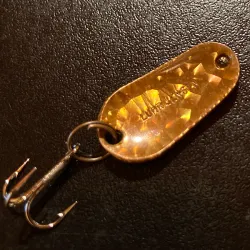
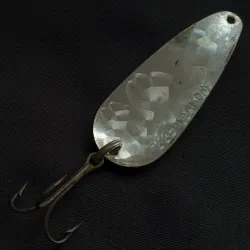
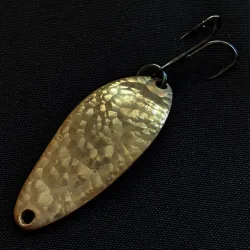
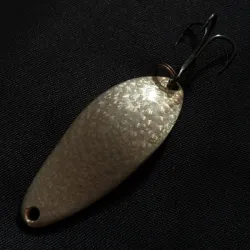
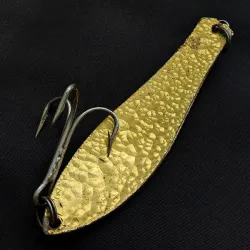
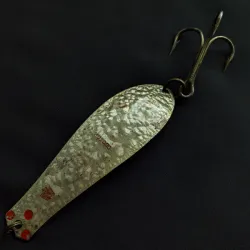
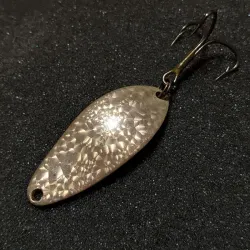
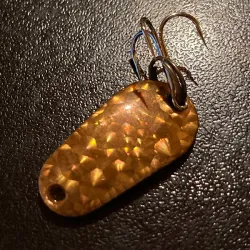
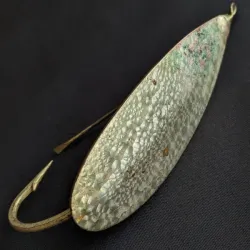
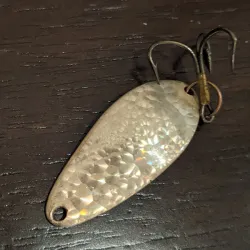
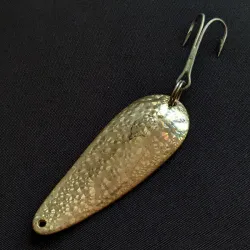
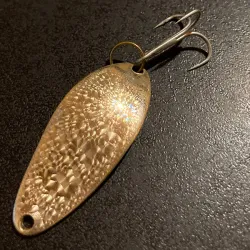
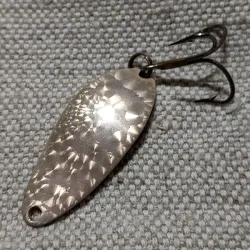
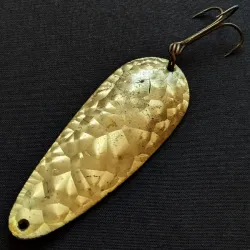
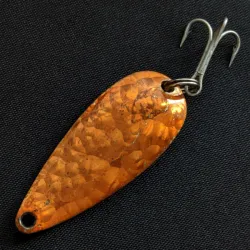
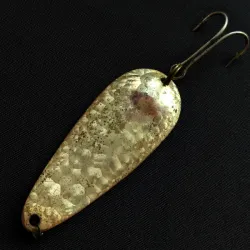
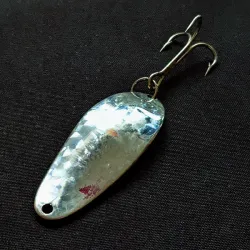
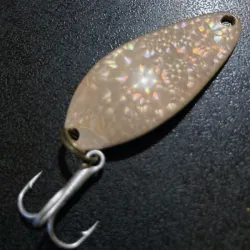
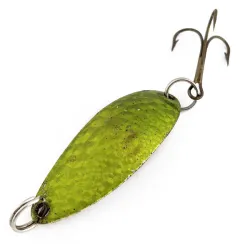
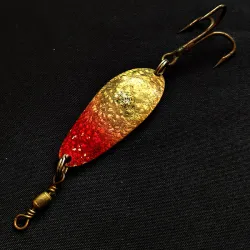
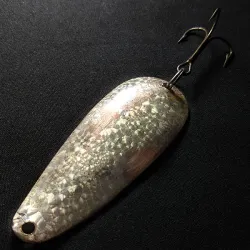
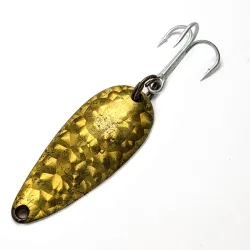
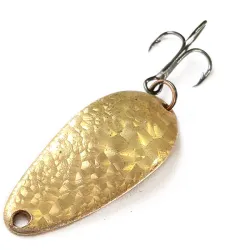
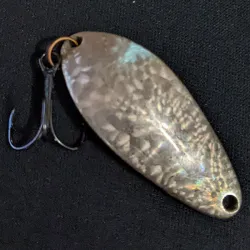
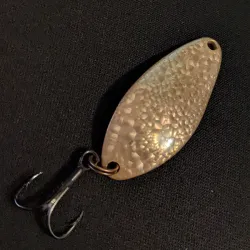
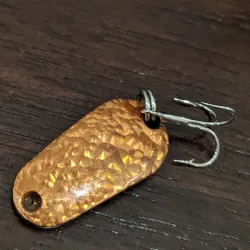
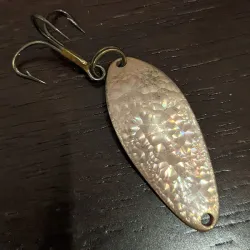
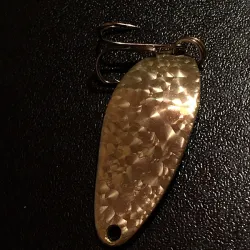
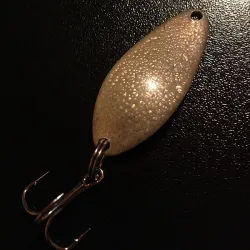
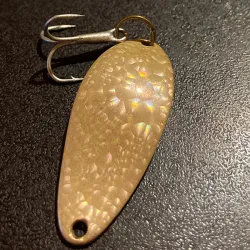
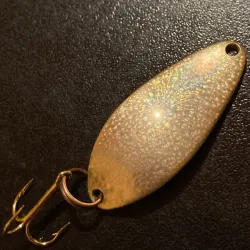
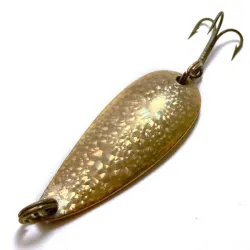
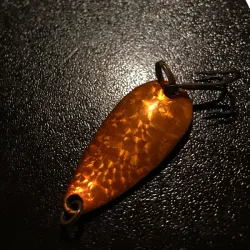
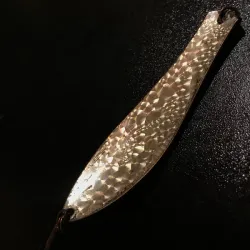
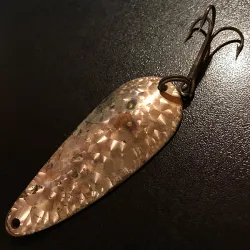
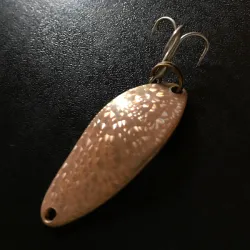
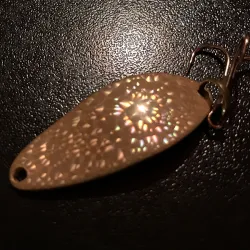
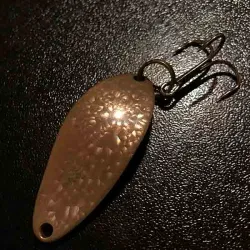
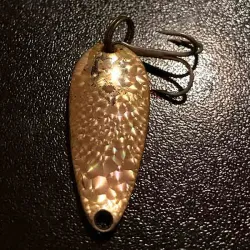
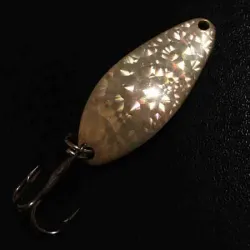
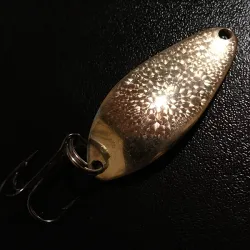
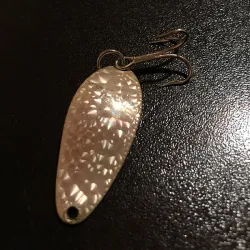
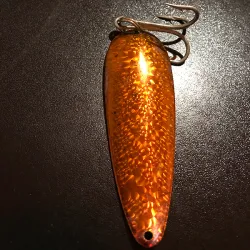
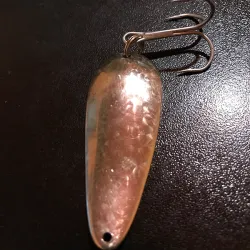
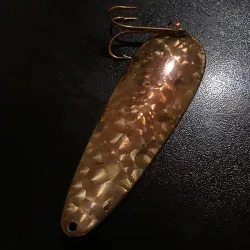
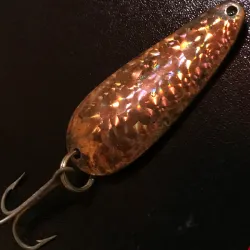
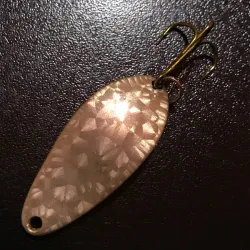
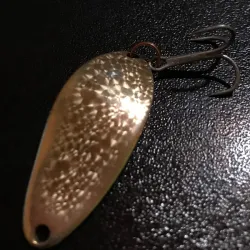
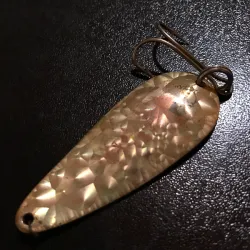
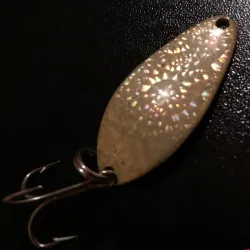
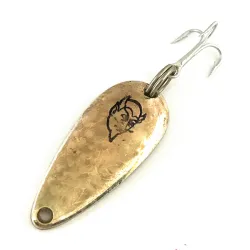
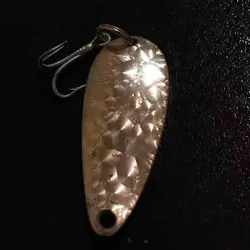
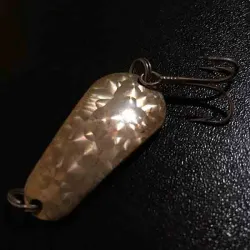
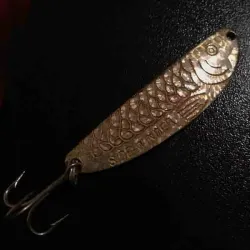
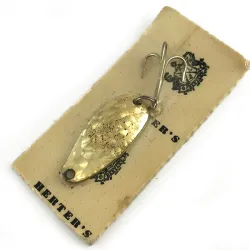
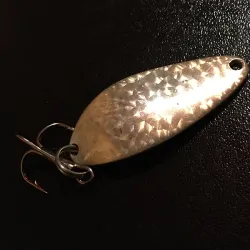
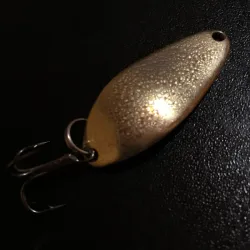
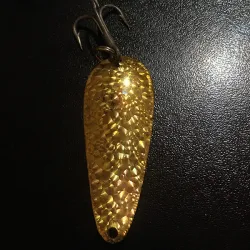
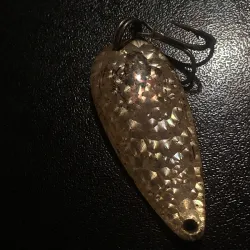
The essence of the Crystal finish lies in a specialized galvanic or paint application that creates a distinctive sparkling texture on the surface of a spoon. This coating was designed to diffuse light across multiple angles rather than simply reflecting it, which provided a more realistic imitation of live fish scales compared to standard smooth polishing. This specific technology was held by a single company that applied the finish to lures from various manufacturers, marking a significant period of experimentation with metal textures.
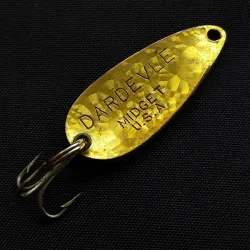
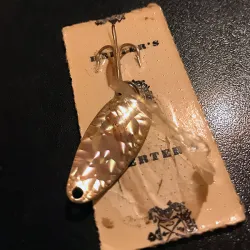
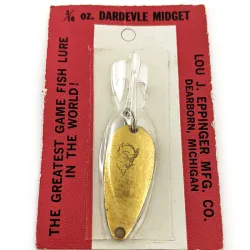
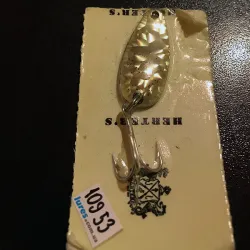
Historical records, including an advertisement from 1950, show that Eppinger introduced the Dardevle Crystal in gold, copper, and silver variants. Production of lures featuring this finish was most active during the 1950s and 1970s. The application was utilized on several notable models, including the Seneca Little Cleo Crystal, Atlantic Lures Crystal, Little Doctor Crystal, Johnson Silver Minnow, and the Luhe jensen Luhr’s Wobbler Crystal.
The disappearance of the Crystal coating after the 1980s was driven by shifting environmental regulations and economic factors. The chemical compositions and reagents required for the galvanic process became subject to stricter EPA standards in the United States, making many old production methods either too costly or prohibited due to the toxicity of the waste. Furthermore, the process of maintaining a stable crystalline texture was inherently more complex and expensive than standard plating or painting, reducing the lures' price competitiveness in a mass market.
As manufacturing evolved, the industry moved toward holographic stickers and new paint types that were easier to apply and offered similar visual effects. Because of their unique aesthetic and historical context, Dardevle Crystal lures in good condition are now considered rare items. They remain highly sought after by collectors of vintage tackle who value the specific craftsmanship of that era.