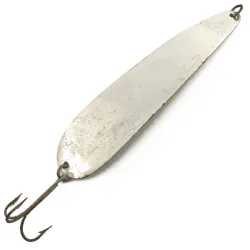
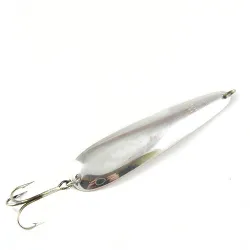
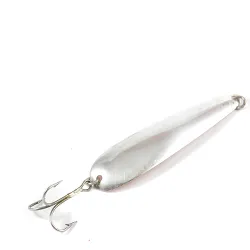
Sutton Spoons
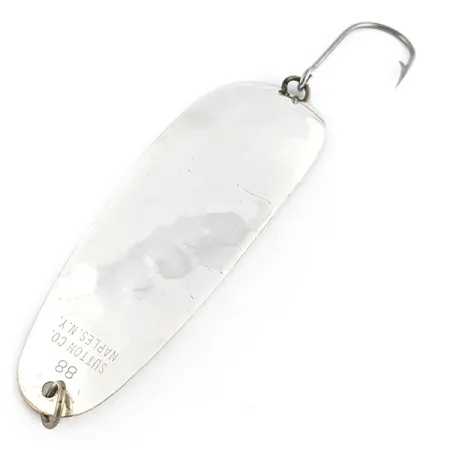
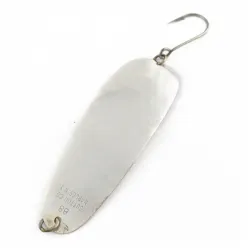
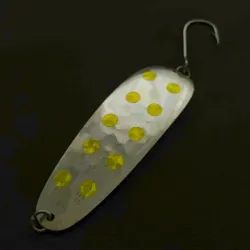
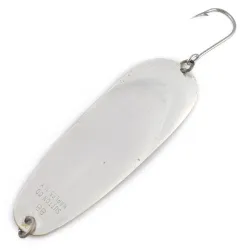
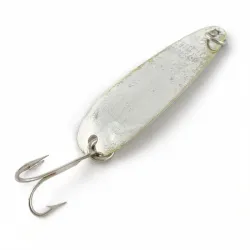
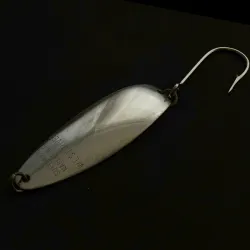
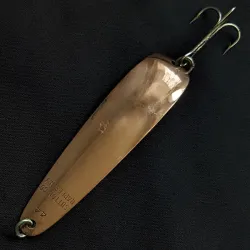
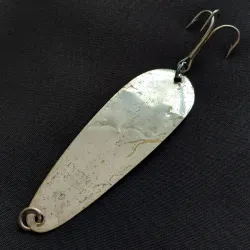
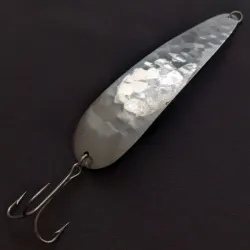
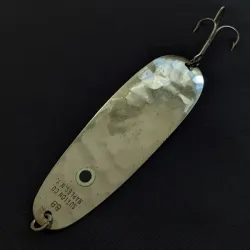
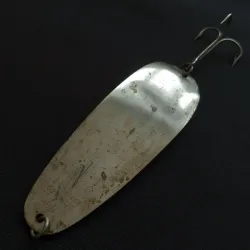
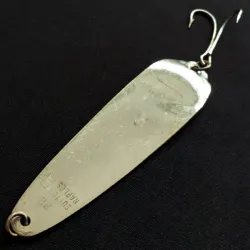
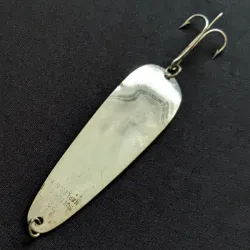
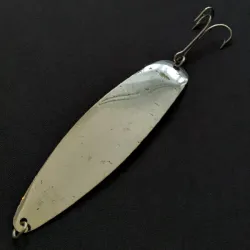
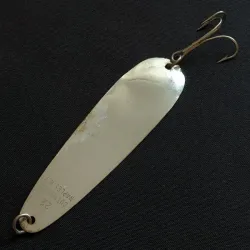
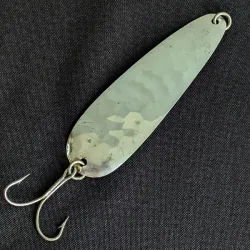
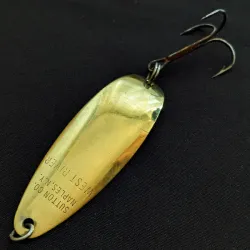
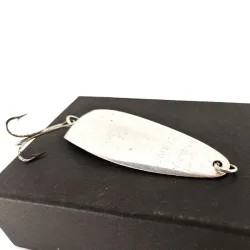
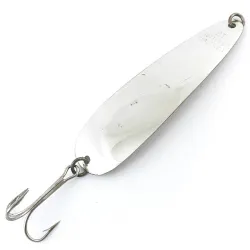
The Sutton Company, established in 1867 by Scott R. Sutton in Naples, New York, has maintained its status as a family-run enterprise for generations. These oscillating spoons have earned a reputation among anglers specifically for targeting lake trout and salmonids. Unlike many modern lures, Sutton Spoons are distinguished by the use of genuine precious metals—silver and gold—for their plating. This choice of materials provides a specific underwater flash and brilliance that is difficult to achieve with synthetic paints or industrial coatings.
A primary technical feature of these lures is the exceptionally thin and lightweight metal used in their construction. This design results in a high surface-area-to-weight ratio, allowing the spoons to maintain a distinct fluttering action at extremely low trolling speeds. This characteristic is often vital when targeting passive fish in cold water environments. Due to the fact that many stages of production are still performed by hand, certain models may occasionally experience limited availability on the market.
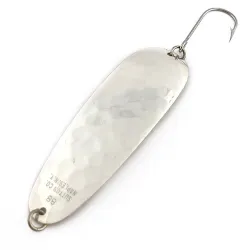
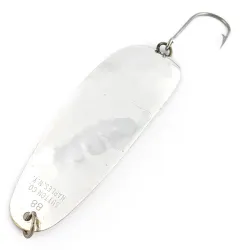
The Sutton lineup is classified by numbers that define the blade's size and profile. The #44 is considered the flagship model, particularly favored for lake trout and salmon. The #88 is a larger, wider spoon designed to create powerful vibrations in the water. For more versatile applications across various depths, the #71 and #38 models provide mid-range dimensions. When fish are feeding in the upper water columns or exhibiting high activity levels, the more compact #22 and #66 models are typically utilized.
Effective presentation of Sutton Spoons requires specific trolling techniques due to their light weight and high wind resistance. These lures are not designed for standard casting; instead, they are most effective when trolled at speeds between 1.5 and 2.5 mph. To reach the necessary depths, they are usually deployed via downriggers or lead core lines. Anglers often employ a long fluorocarbon leader, ranging from 1.5 to 3 meters, to allow the spoon to move freely. At slow speeds, the lure's erratic motion is intended to mimic a wounded or dying baitfish, such as an alewife or smelt.
These lures are specialized for species that inhabit cold, oxygenated waters. While the #44 and #88 are staple choices for deep-dwelling lake trout, they are equally effective for salmon in open water. During the spring months, when brown and rainbow trout move toward shallower areas, the mid-sized #71 and #38 models are frequently employed to capitalize on the seasonal shift in fish location.