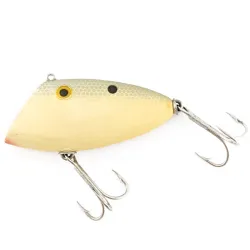
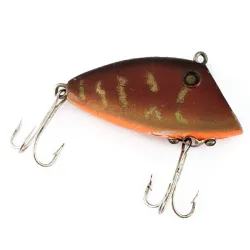
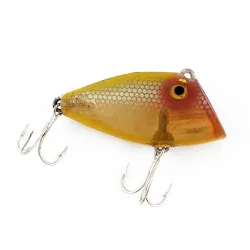
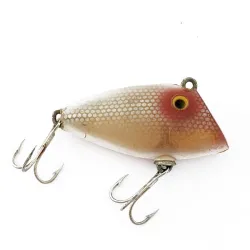
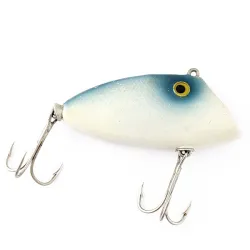
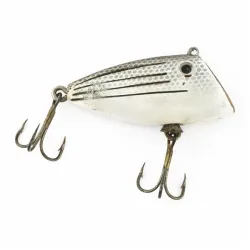
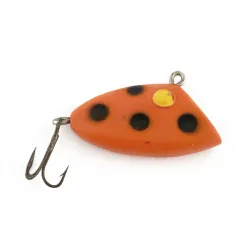
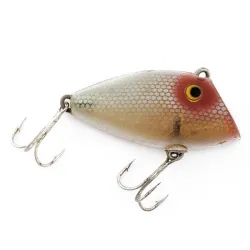
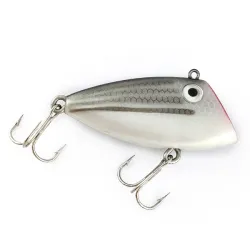
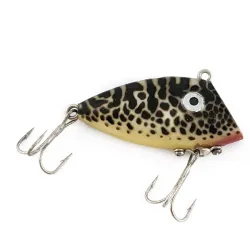
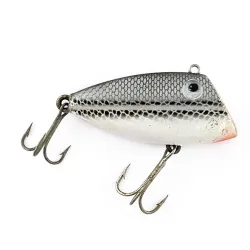
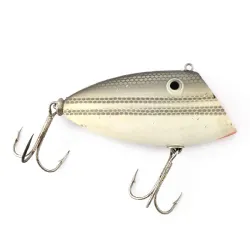
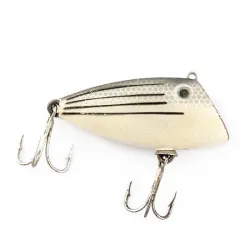
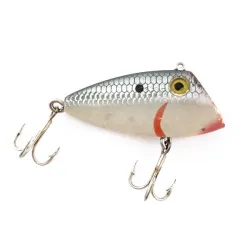
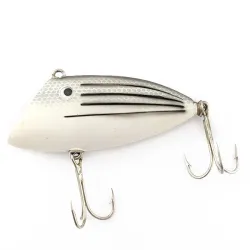
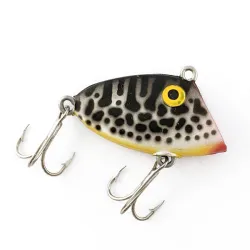
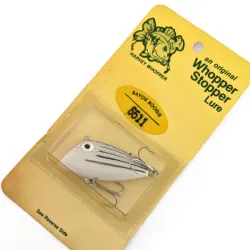
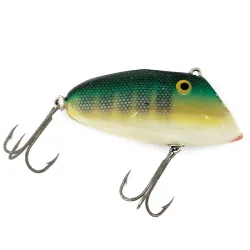
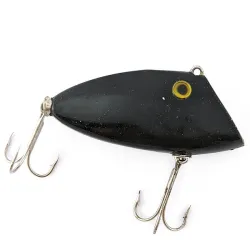
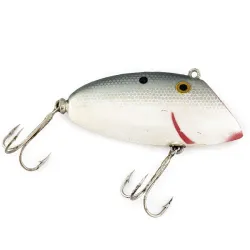
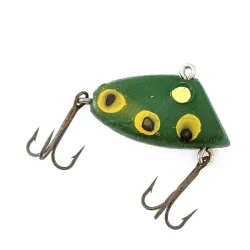
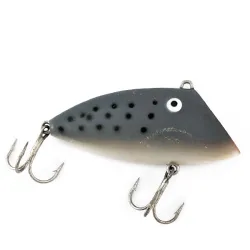
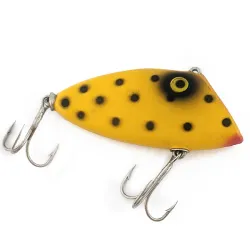
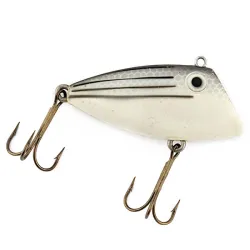
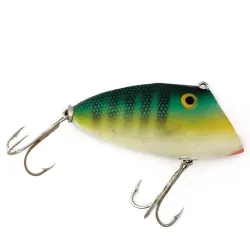
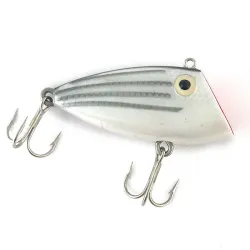
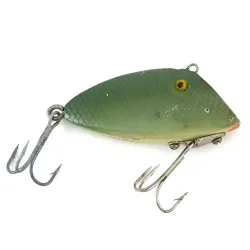
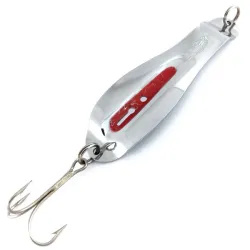
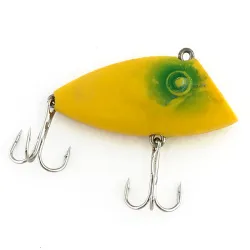
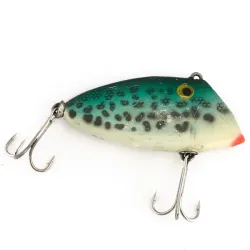
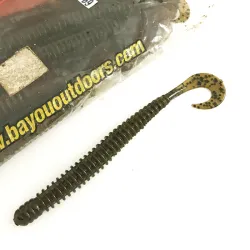
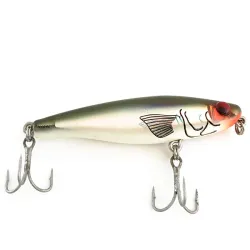
Whopper Stopper Bayou Boogie and similar
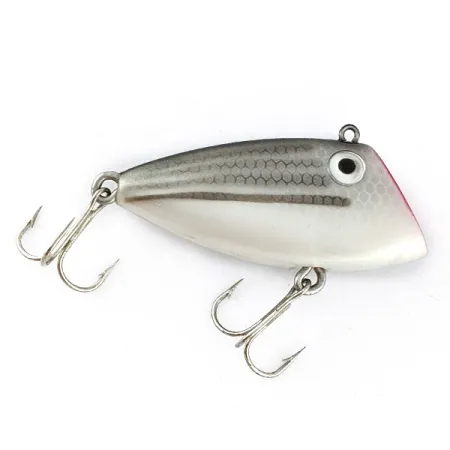
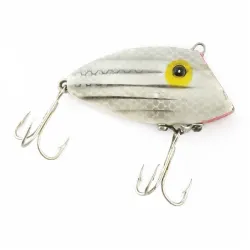
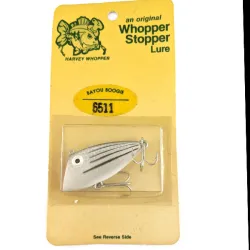
The Whopper Stopper Bayou Boogie stands as a significant piece of vintage tackle history, originating from the Texas-based Whopper Stopper company founded by J. Fred Eder in 1945. In 1983, the brand was acquired by Heddon, eventually becoming part of the EBSCO corporation. Following this merger, the lures were marketed under the dual Heddon Whopper Stopper Bayou Boogie name. Although the original production has ceased, these lures remain a fixture for collectors of vintage gear, appearing regularly on the secondary market and online auctions.
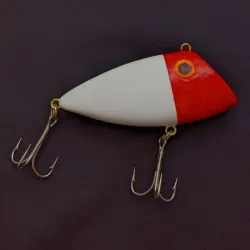
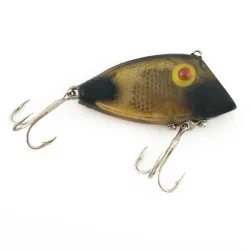
The technical profile of the Bayou Boogie defines it as a lipless crankbait, though it was frequently classified as a floating minnow. These lures were typically manufactured using plastic and featured an internal rattle mechanism designed to draw predators from a distance. Standard models were produced in 2-inch and 2.5-inch sizes (approximately 5 cm and 6.3 cm), with weights of 1/4 ounce (7 grams) and 1/2 ounce (14 grams). They were equipped with two treble hooks and finished in dozens of patterns, including the well-known Fire Tiger, Tennessee Shad, and Gold Scale.
The design of the lure is centered around its flat frontal section, which generates an intense, high-frequency vibration during the retrieve. While many models were historically listed as sinking lures, certain vintage examples demonstrate positive buoyancy, staying on the surface until the angler begins the retrieve. This characteristic allows for a range of presentations, from a basic steady retrieve for covering large flats to the "Yo-Yo" method. In the latter, the lure is allowed to sink before being sharply ripped upward—activating the vibration—and then allowed to flutter back down on a free fall.
The Bayou Boogie is also suited for vertical jigging and trolling applications. When fishing over sharp drop-offs, submerged cover, or deep holes, rhythmic lifts of 60 to 90 cm can be highly effective. The lure's construction allows it to maintain a stable depth when trolled behind a boat at various speeds. It has proven particularly useful during the cold season, such as in December, for targeting larger fish. Records indicate the lure has successfully landed largemouth bass weighing approximately 1.3 kg (nearly 3 pounds) when cast along steep banks and deep drop-offs.