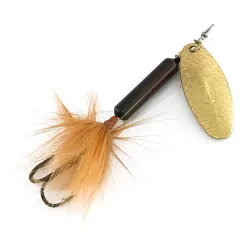
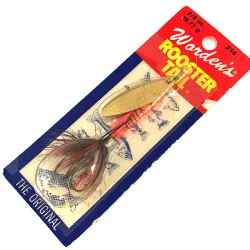
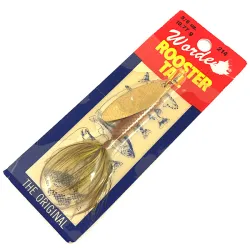
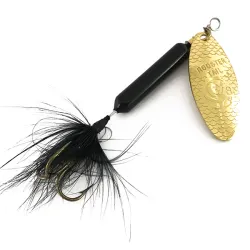
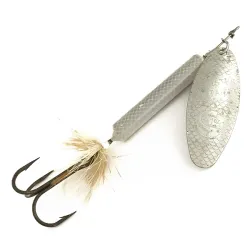
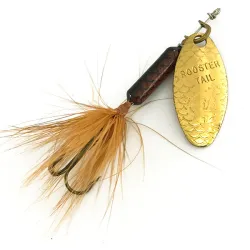
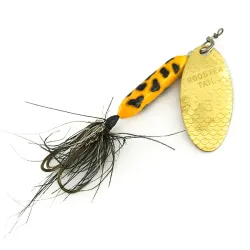
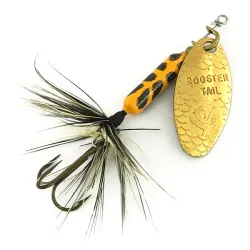
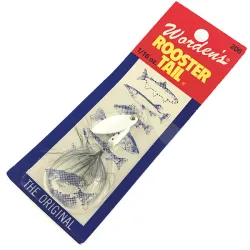
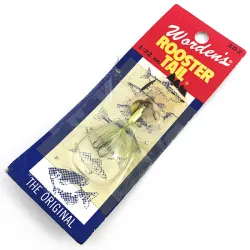
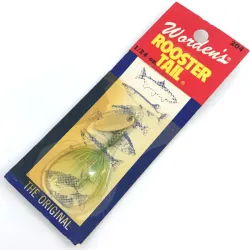
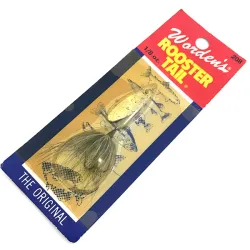
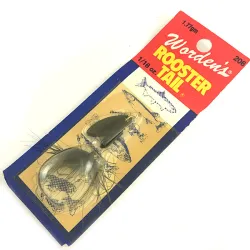
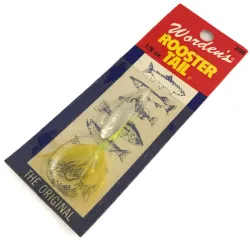
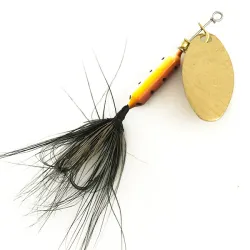
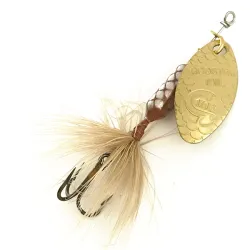
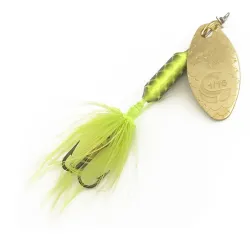
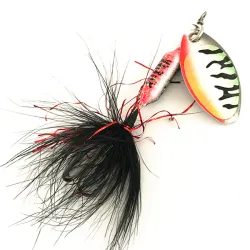
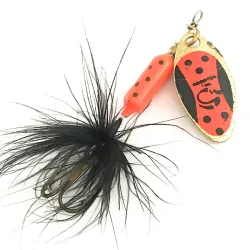
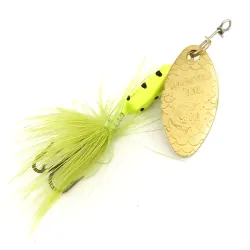
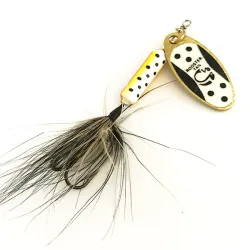
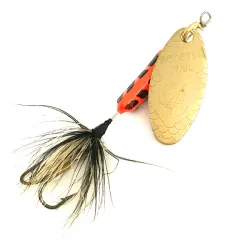
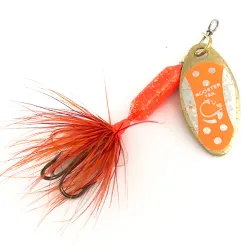
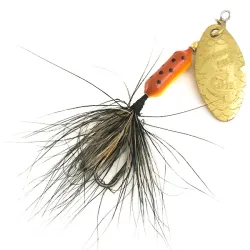
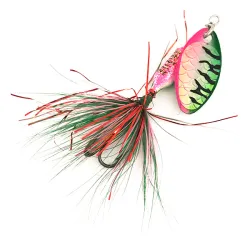
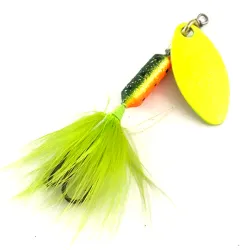
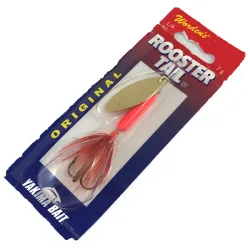
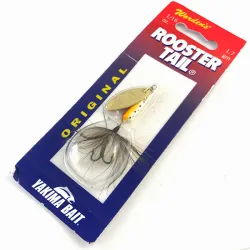
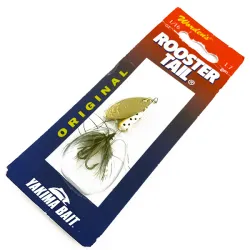
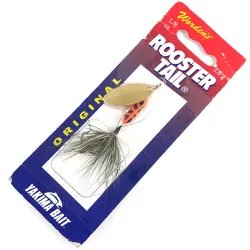
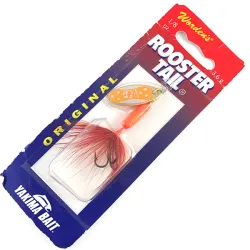
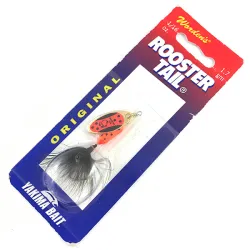
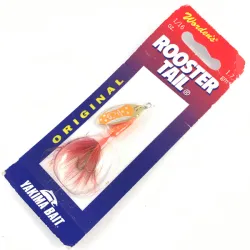
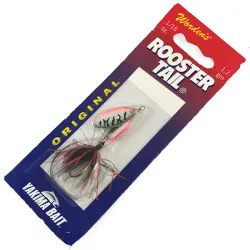
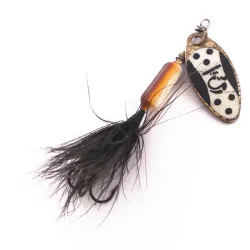
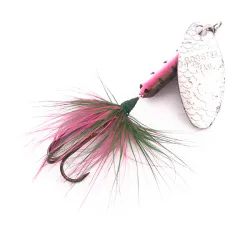
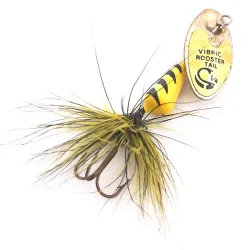
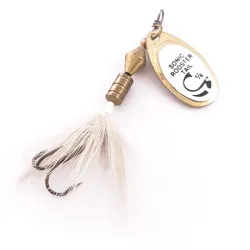
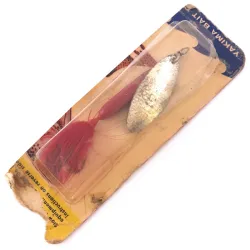
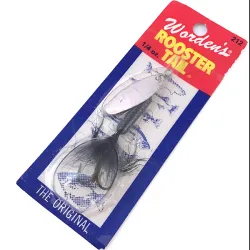
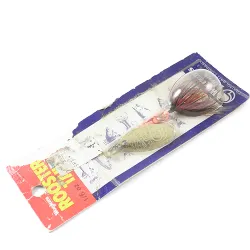
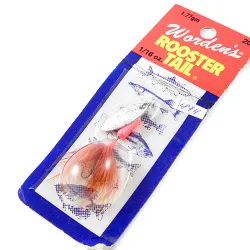
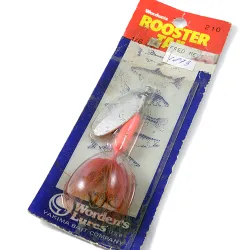
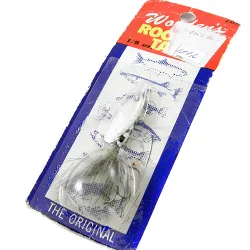
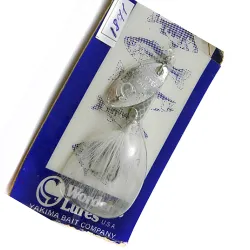
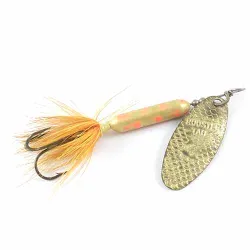
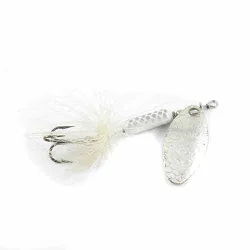
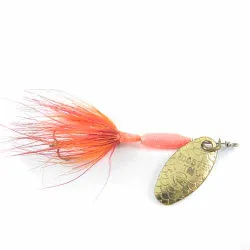
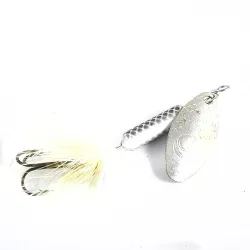
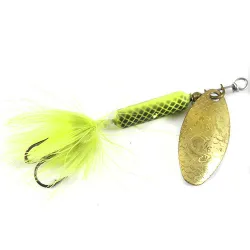
Worden's Original Rooster Tail
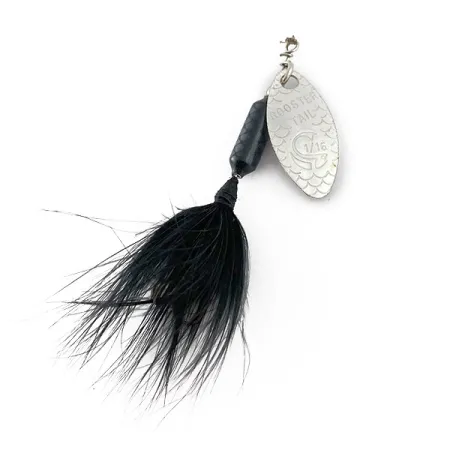
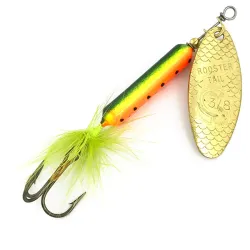
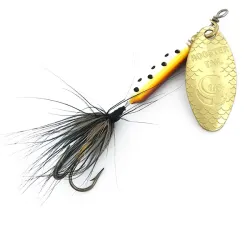
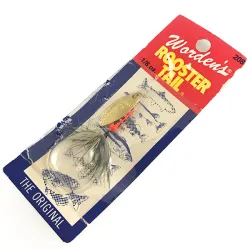
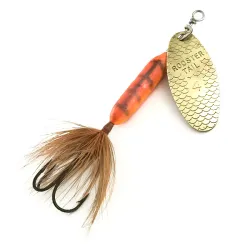
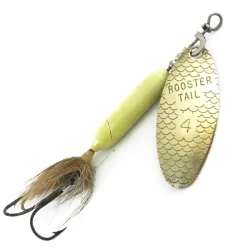
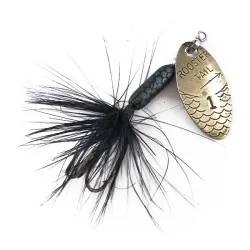
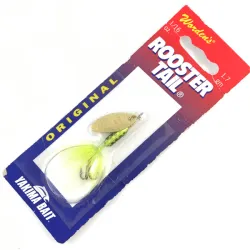
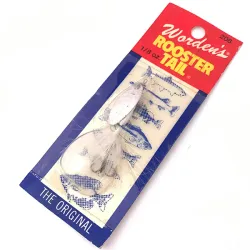
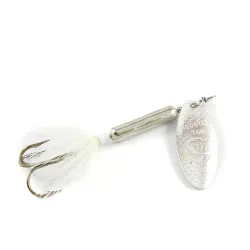
The history of Worden's Original Rooster Tail begins in Wisconsin during the early 1950s. Developed by inventor Howard Worden, this spinner was designed to target smallmouth bass and trout in clear water and swift currents. The core concept behind the design focused on combining visual volume and strong vibration with a minimal weight that would not spook wary fish upon hitting the water. The name "Rooster Tail" itself refers to the dense hackle on the treble hook, which originally featured natural rooster feathers.
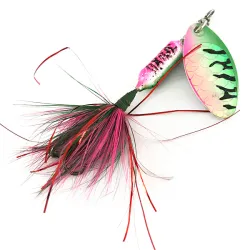
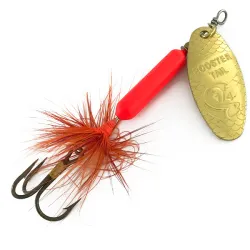
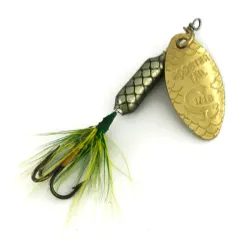
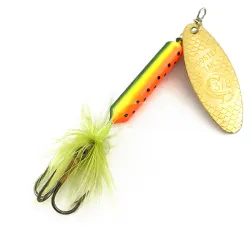
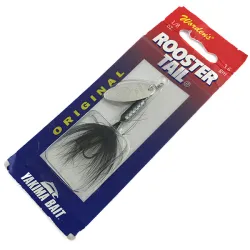
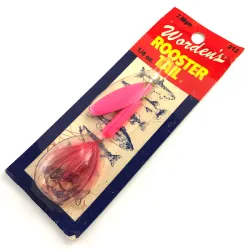
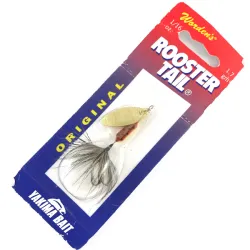
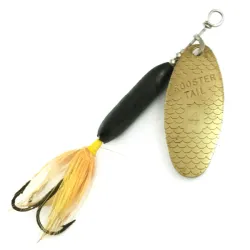
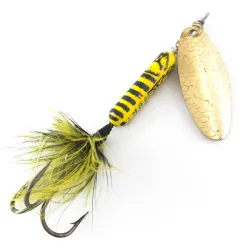
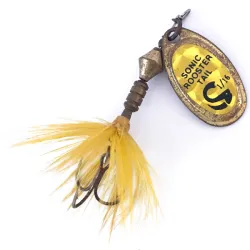
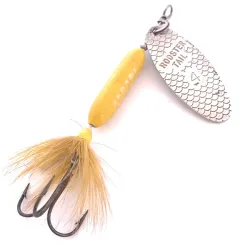
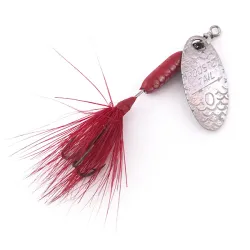
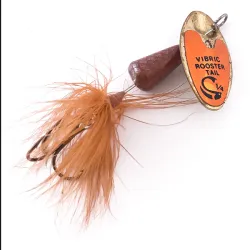
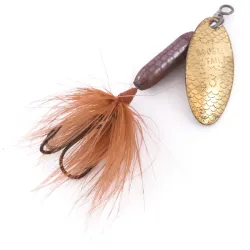
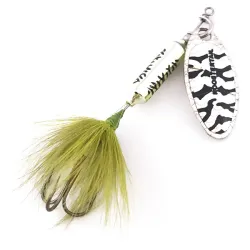
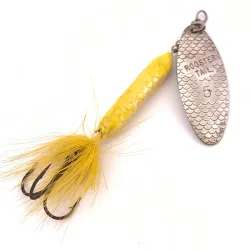
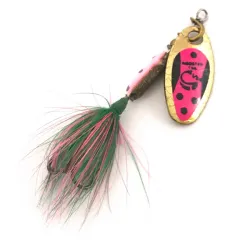
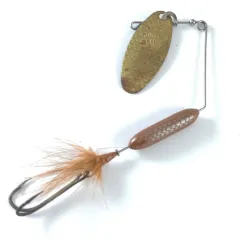
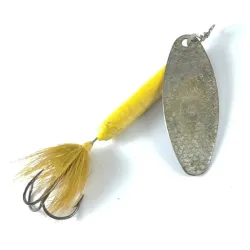
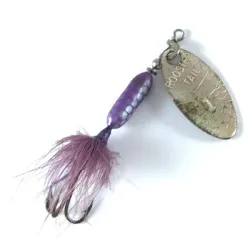
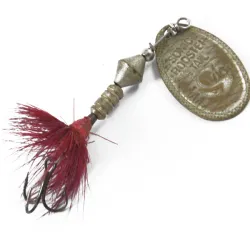
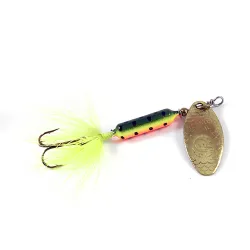
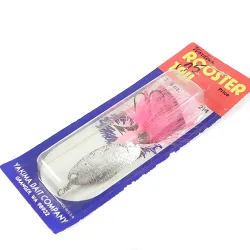
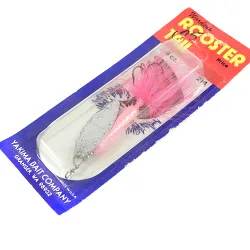
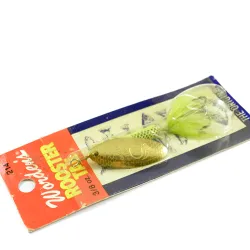
The effectiveness of the Rooster Tail relies on the balance of three specific design components. First, the long, narrow willow leaf blade has a narrow swing angle of approximately 25 to 30 degrees. This design minimizes frontal resistance, allowing the spinner to run stably in heavy currents without rising to the surface or blowing out. Second, the inline construction places the blade directly on the shaft or via a miniature clevis close to the drop-shaped lead or brass body, shifting the center of gravity forward for accurate casting. Finally, the hackle tail serves three roles: it acts as a stabilizer to slow the lure's descent during pauses, camouflages the treble hook, and pulsates or "breathes" in the current even when the blade stops spinning.
Anglers utilize three primary presentation techniques when fishing rivers with this narrow-bladed spinner. The upstream method involves casting directly upcurrent and retrieving slightly faster than the water flow, which is highly effective for wild trout and chub. Because of the lightweight blade, the Rooster Tail begins rotating instantly upon landing and enters the water softly, minimizing splashdown noise in shallow areas. A quarter-cast presentation involves throwing at a 45-degree angle toward the opposite bank, letting the current bow the line while executing a slow, steady retrieve as the lure swings. For targeting specific structures like boulders or laydowns, an across-stream cast perpendicular to the current allows the flow to spin the blade, enabling the angler to hold the lure in a single spot for 10 to 15 seconds.
The high-frequency vibration and natural tail action make this lure suitable for a variety of species. While wild brown and rainbow trout in tiny mountain streams remain its primary target, the spinner is also used for chub and ide on medium to large rivers, particularly when these fish ignore crankbaits. In these scenarios, the blade flash mimics baitfish while the tail simulates a large insect. For perch, a stop-and-go retrieve near the bottom triggers strikes during the pause as the tail pulsates. Larger models, such as size number 3 and up, regularly catch pike in weedy areas, whereas miniature versions in sizes 00 and 0 can entice non-predatory species like large roach or rudd.