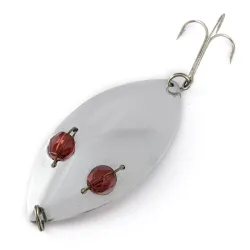
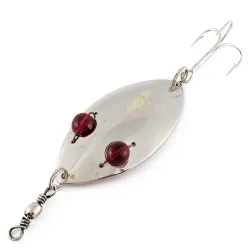
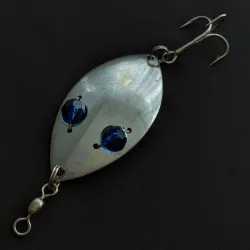
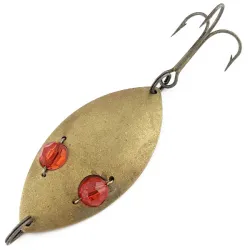
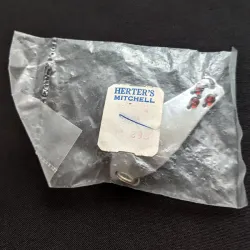
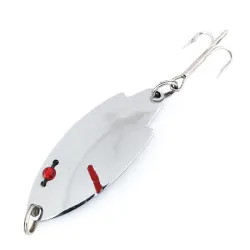
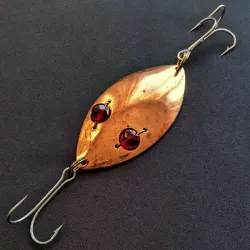
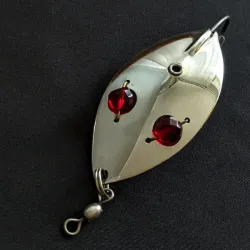
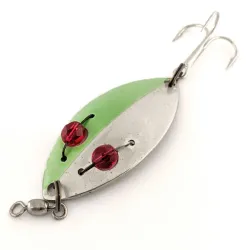
Hofschneider Red Eye and similar
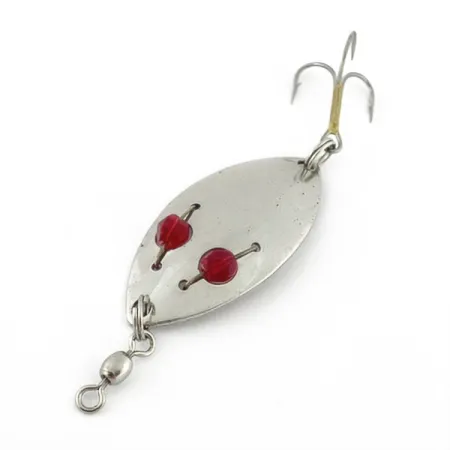
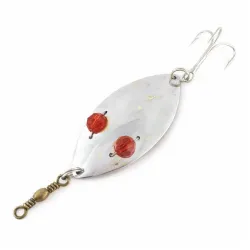
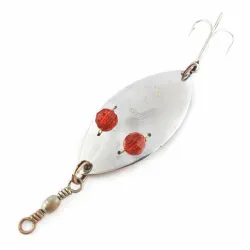
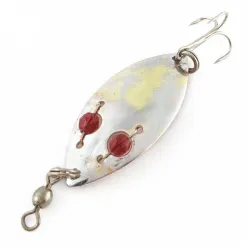
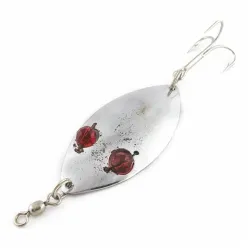
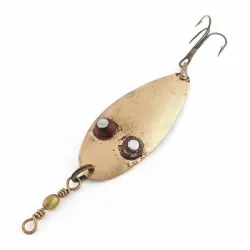
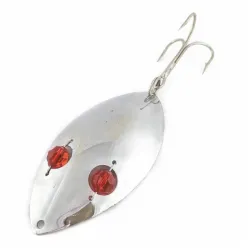
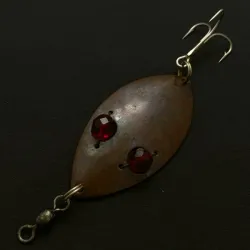
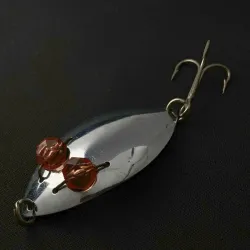
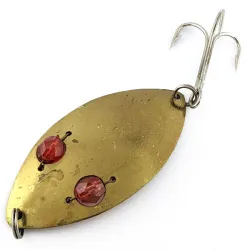
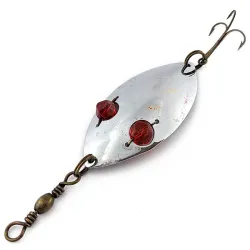
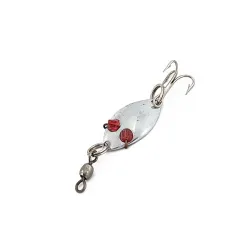
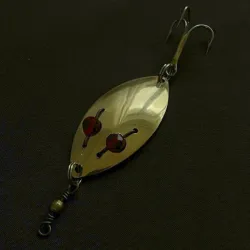
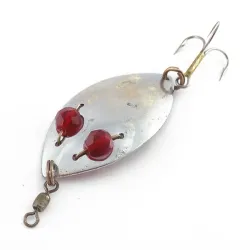
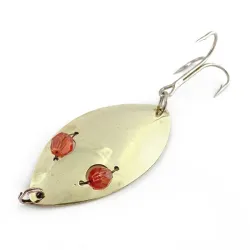
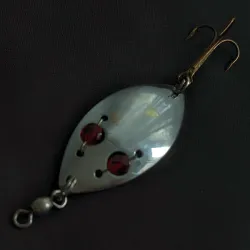
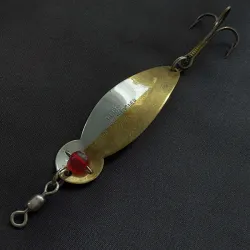
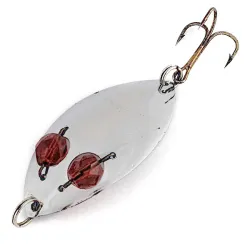
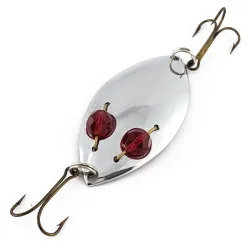
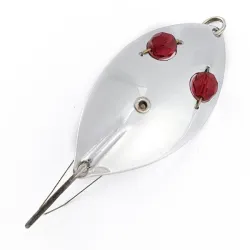
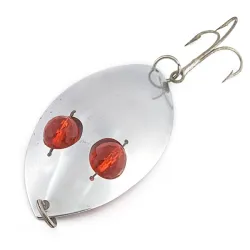
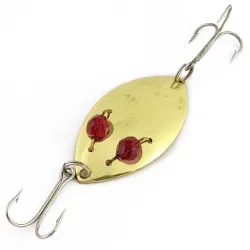
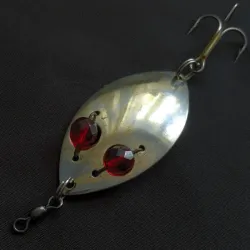
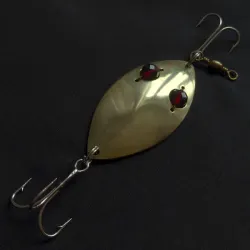
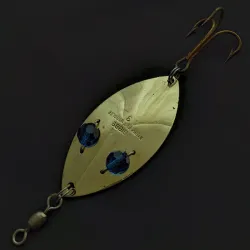
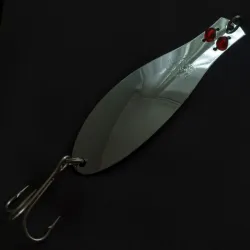
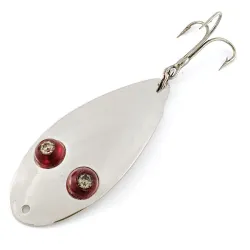
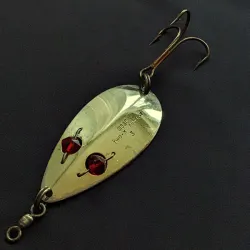
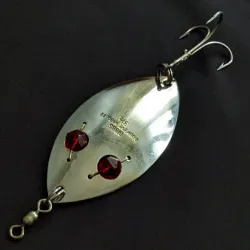
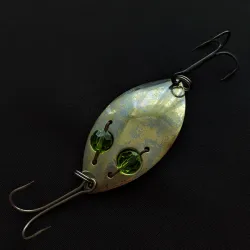
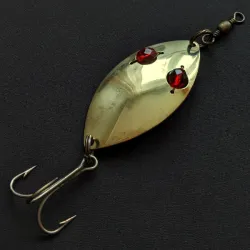
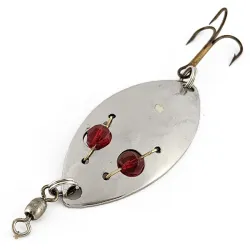
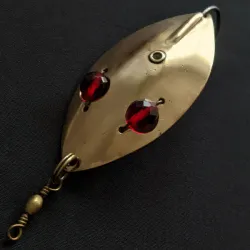
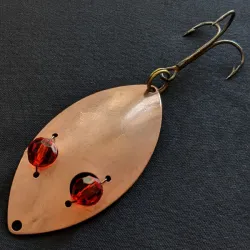
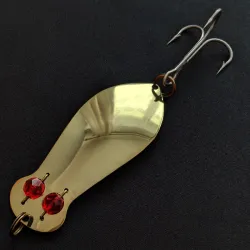
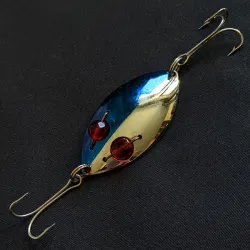
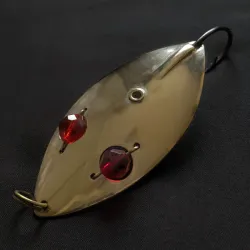
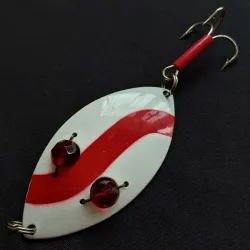
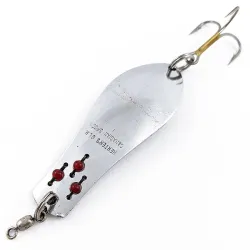
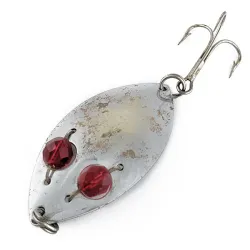
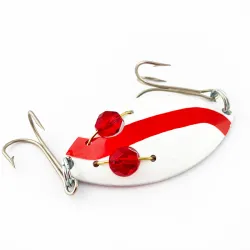
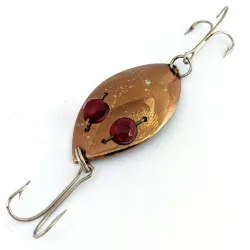
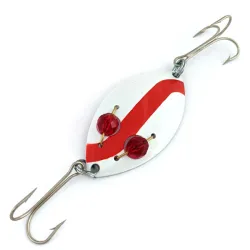
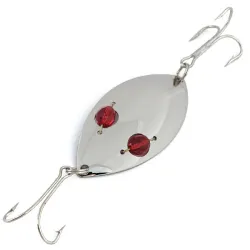
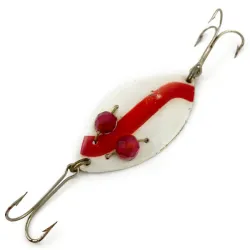
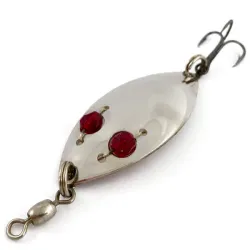
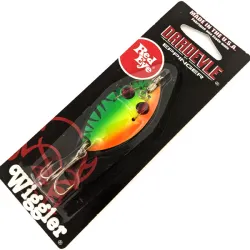
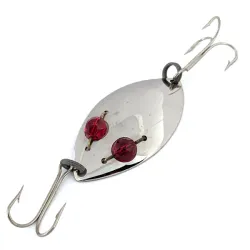
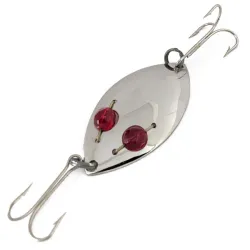
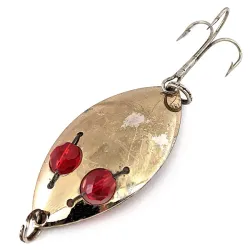
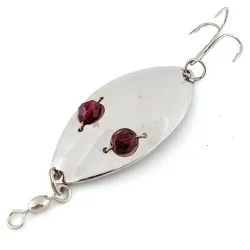
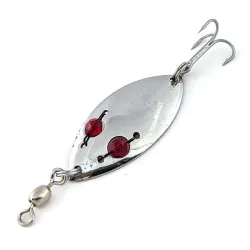
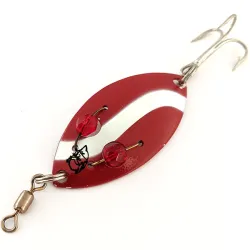
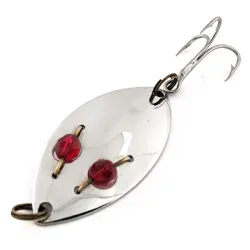
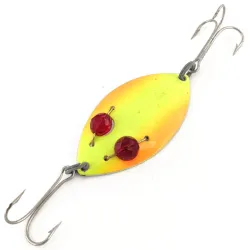
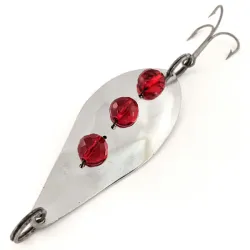
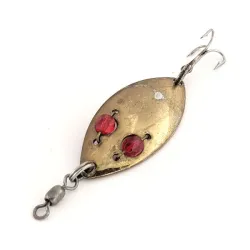
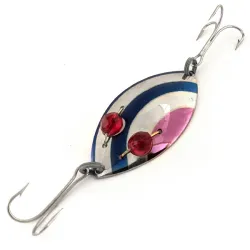
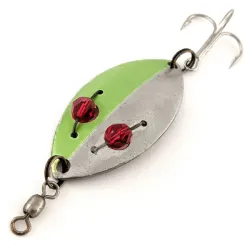
The legacy of the Red Eye Wiggler dates back to the 1920s, originating in Rochester, New York. Its inventor, Fred Hofschneider, introduced a revolutionary design element: a red glass eye mounted directly into the lure's body. Hofschneider’s innovation was based on the concept of a "point of attack," a visual trigger intended to focus the predator's strike. Unique among spoons of its era, this lure featured eyes visible from both sides of the body, a design choice once promoted by the slogan, "It's the eyes that get 'em!" Over the decades, the Hofschneider Corp. produced these lures before the rights eventually transitioned to other manufacturers, including Thompson and Eppinger.
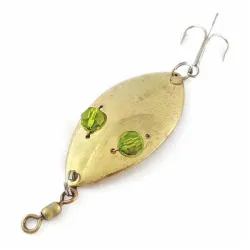
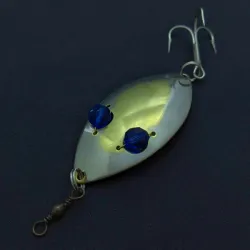
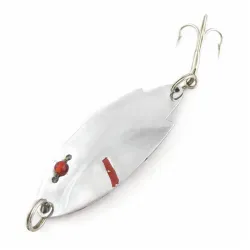
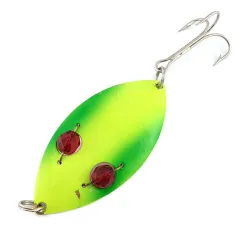
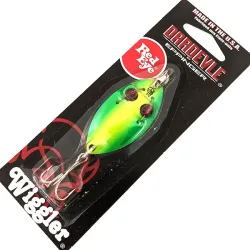
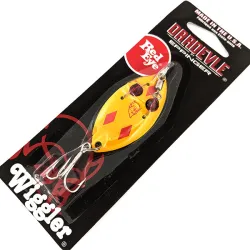
The construction of these spoons balances visual flash with a diverse range of specifications. The large glass eyes serve to reflect light and create distinct glints visible from a distance. By the 1940s, the lineup included finishes in gold, chrome, and copper, alongside patterns like "Red on White" and the "Speckled Finish." The model range was designed to accommodate various fishing conditions, spanning from the diminutive "Midge" and "Fly" sizes to substantial Muskie Spinners weighing over 3 ounces and measuring 10 inches in length.
The technical profile of the Red Eye Wiggler allows for a versatile presentation, particularly during difficult fishing windows. Its design enables an ultra-slow retrieve, which can be a critical factor during the summer heat when pike are often lethargic and less inclined to chase fast-moving prey. At these lower speeds, the predator has more time to register the visual trigger of the red eyes. The lure’s movement is characterized by a "flash and roll" action, mimicking the side-to-side oscillation and shimmer of a live baitfish.
Beyond a standard uniform retrieve, the lure responds to more varied manipulation. While a steady pull generates consistent hydroacoustic waves, a stop-and-go technique causes the spoon to flutter or "tumble" erratically on the pause, simulating a dying fish. This erratic descent is frequently when the strike occurs. Due to its stability in the water, the Red Eye remains a viable option for lake trolling. While it is a primary tool for pike and large perch, the heavier models are specifically engineered to handle the demands of muskellunge fishing.