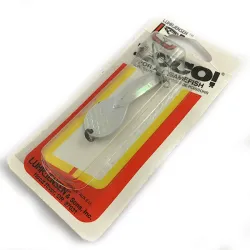
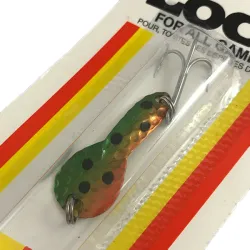
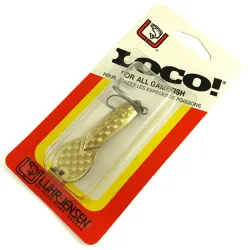
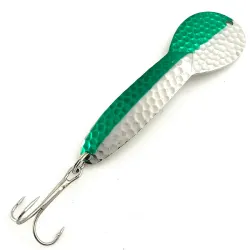
Loco
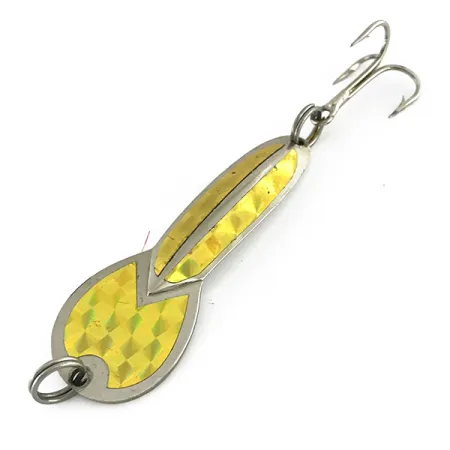
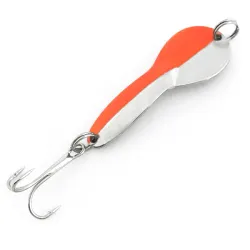
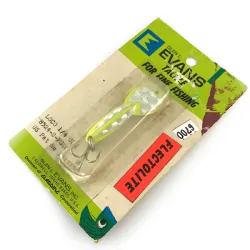
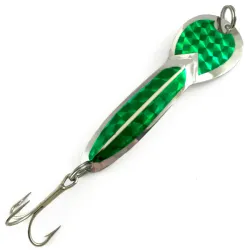
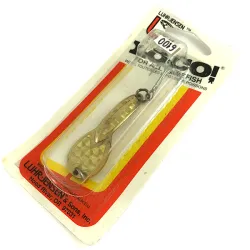
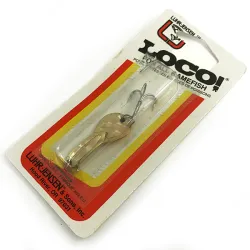
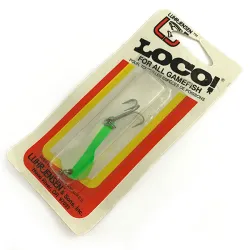
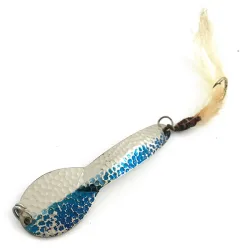
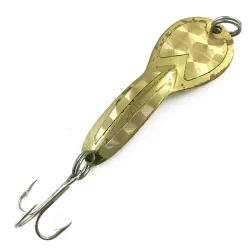
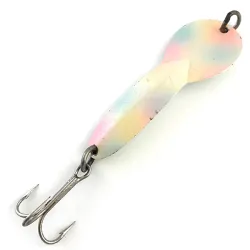
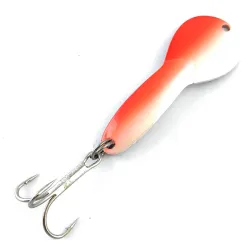
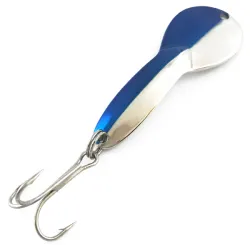
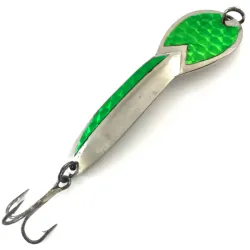
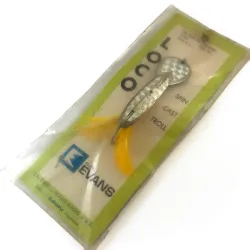
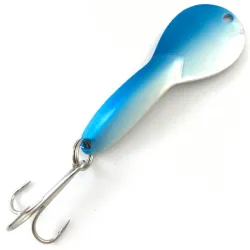
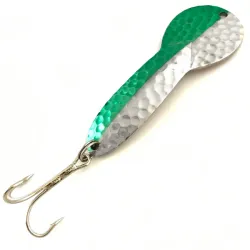
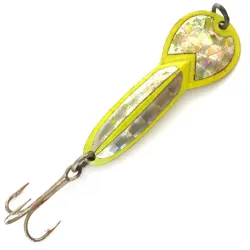
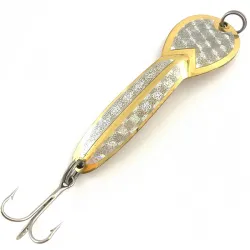
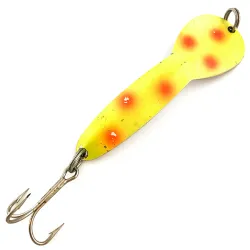
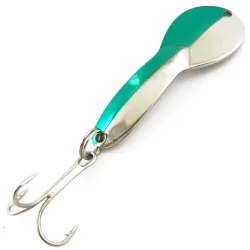
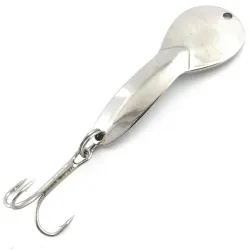
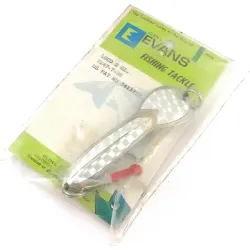
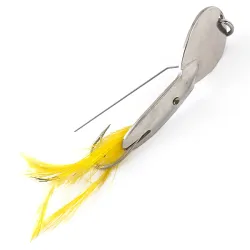
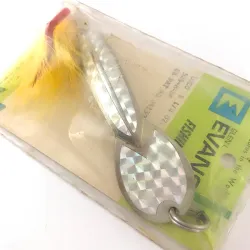
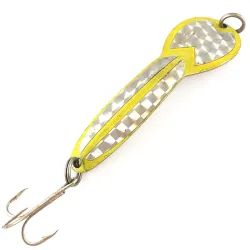
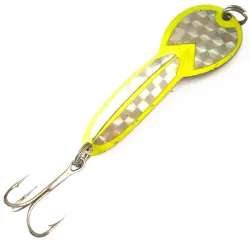
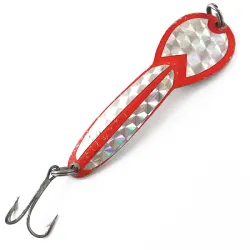
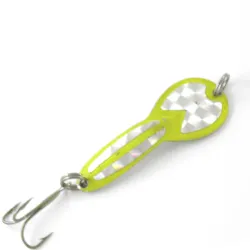
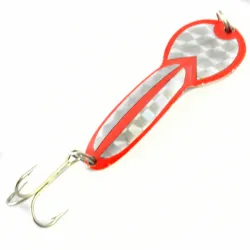
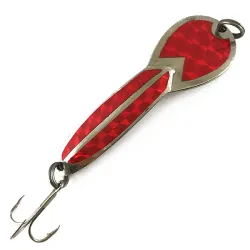
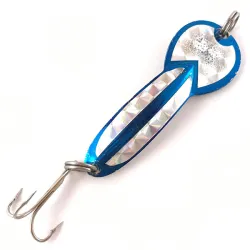
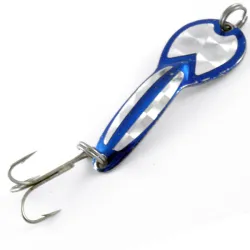
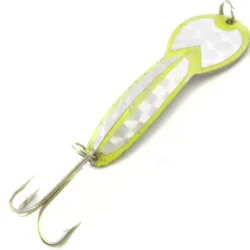
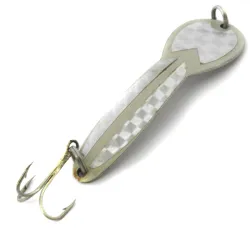
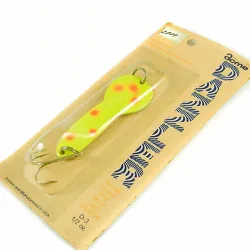
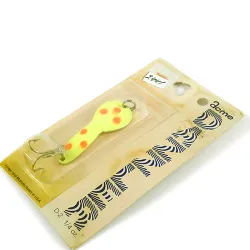
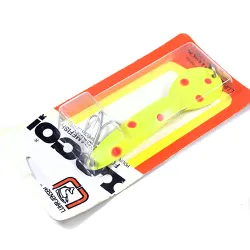
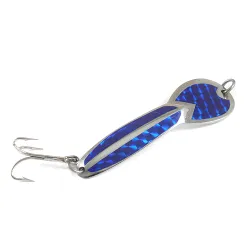
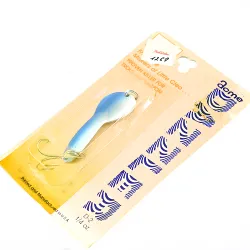
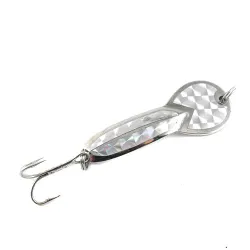
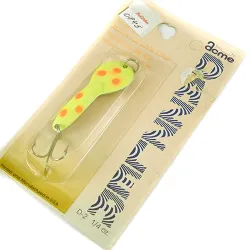
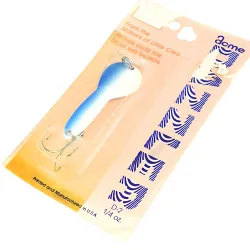
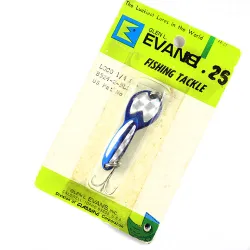
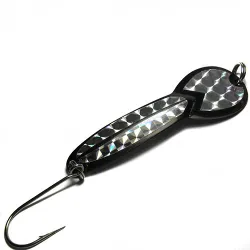
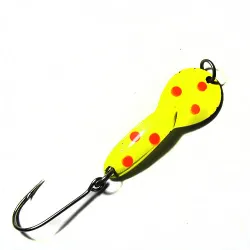
The Loco spoon represents a distinct departure from traditional oval lure designs, rooted in a hydrodynamic concept originally patented by Glen L. Evans. This design, filed on March 15, 1947, and officially registered on June 6, 1950, under US Patent 2,510,566, features a specific "broken" or angular profile. Unlike standard oscillating spoons, this geometry forces the lure into sharp, chaotic leaps from side to side, creating the effect of a panicked baitfish. This technical foundation eventually paved the way for variations such as the Luhr Jensen Loco and the Acme Dazzler.
True to its name, which translates to "unpredictable" or "crazy," the lure is defined by a characteristic "glitch" in its swimming action during a steady retrieve. It maintains a rhythmic vibration before spontaneously accelerating or darting sideways, a movement that often provokes aggressive strikes from pike and zander, even when the predators are passive. The lure's versatility allows it to be used for traditional casting, trolling, and vertical jigging.
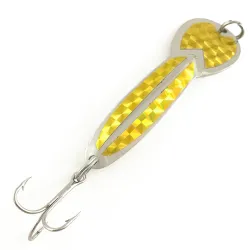
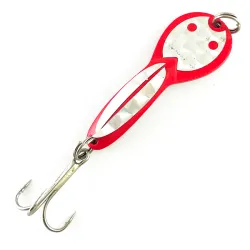
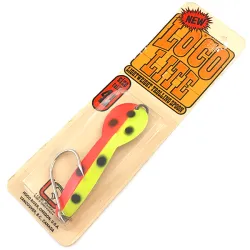
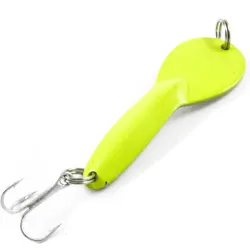
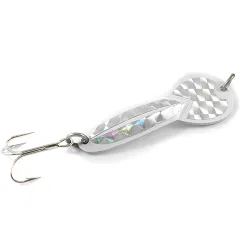
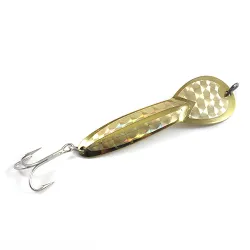
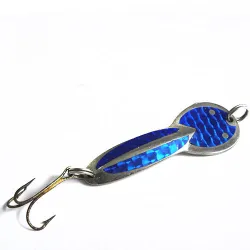
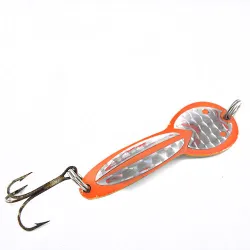
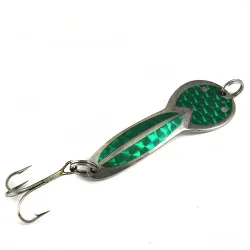
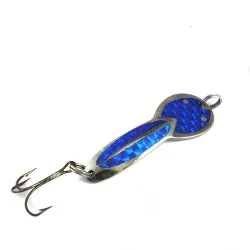
Constructed from high-quality brass with a corrosion-resistant nickel coating, the Loco has been produced in various sizes and finishes, including holographic and prismatic options. Its shape, reminiscent of a willow leaf, allows it to hold its action in a current without spinning out at moderate trolling speeds. While it is a multi-species tool, it is particularly effective for pike due to its wide oscillations and sudden breaks in rhythm. Larger models are frequently used in lake trolling for lake trout and sea trout, while smaller versions target large perch during periods of high activity.
Successful presentation of the Loco relies on exploiting its erratic tendencies through several specific retrieval techniques. A basic steady retrieve is most effective when punctuated by a sharp acceleration or a brief pause every five to seven handle turns, forcing the lure into a lateral dart. In a jigging or "step" retrieve, the spoon flutters gracefully on the pause, often triggering hits during the fall. For trolling, a "pumping" technique—periodically pulling the rod forward and returning it—causes the lure to change depth and rhythm chaotically. When jigged vertically through ice or from a boat, a sharp lift and drop sends the spoon planing far from the vertical axis, significantly increasing the strike zone coverage.