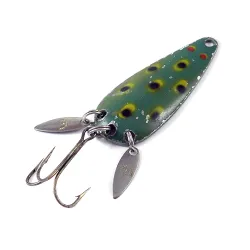
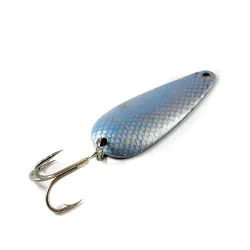
Marble Spinner: Shyster, Abu Reflex, Worth #301 ...
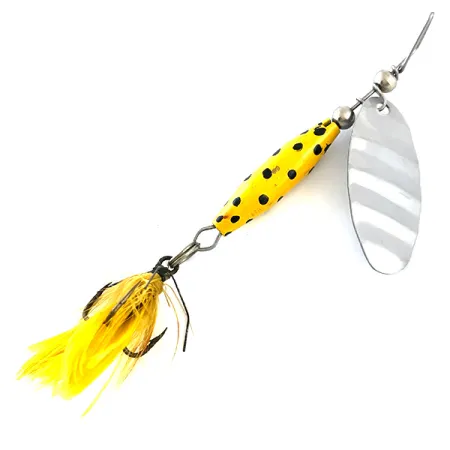
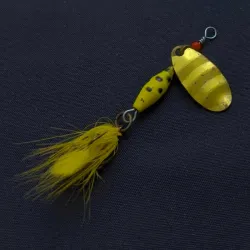
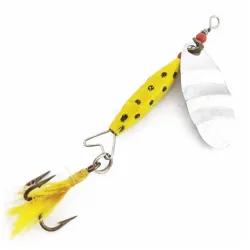
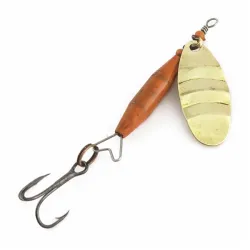
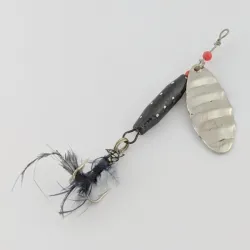
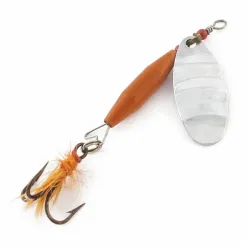
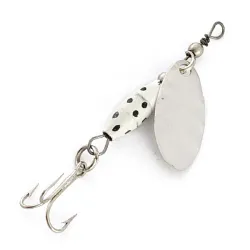
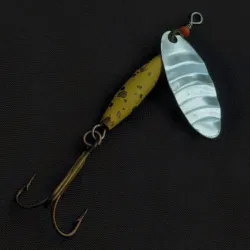
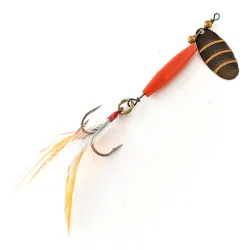
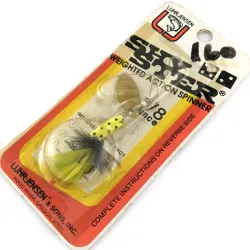
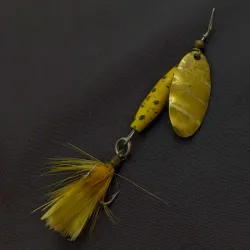
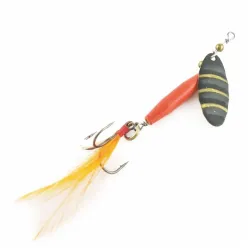
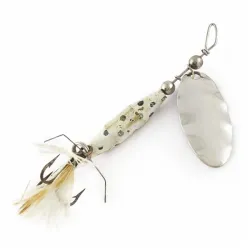
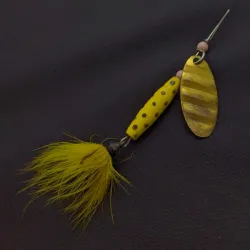
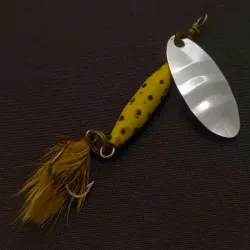
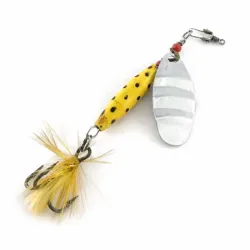
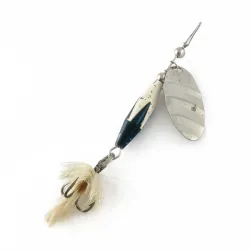
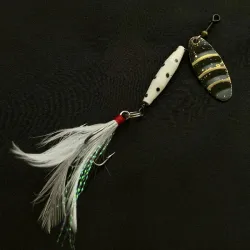
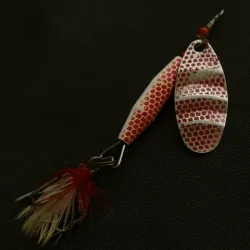
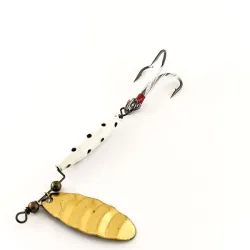
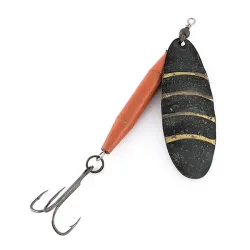
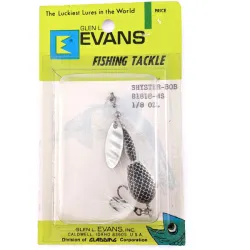
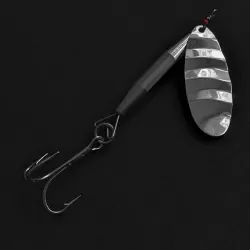
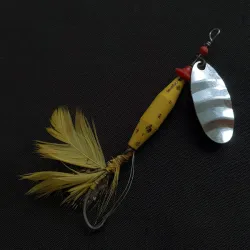
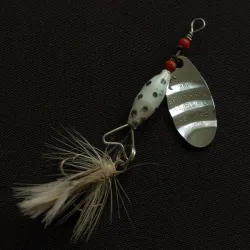
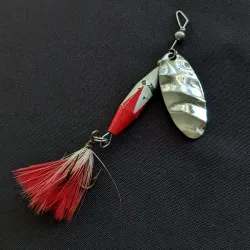
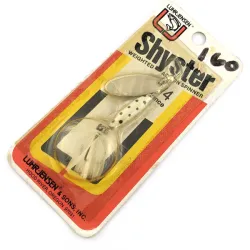
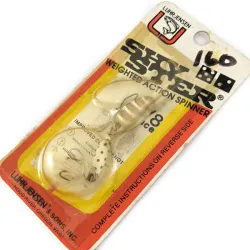
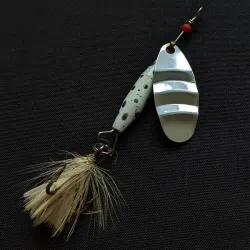
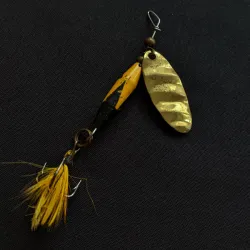
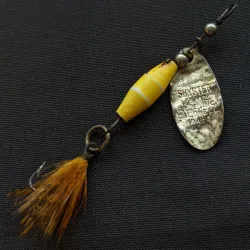
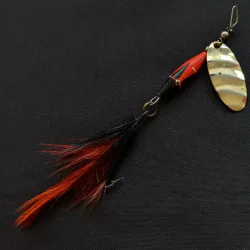
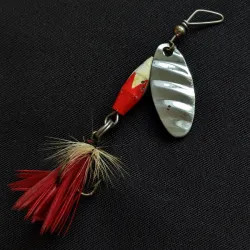
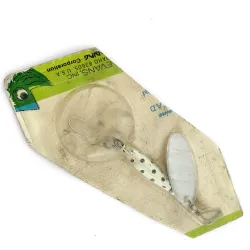
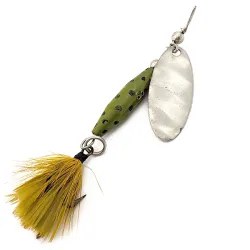
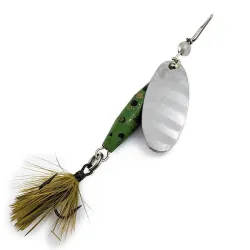
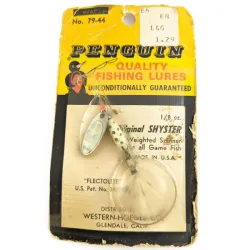
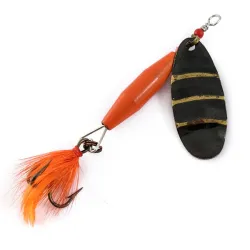
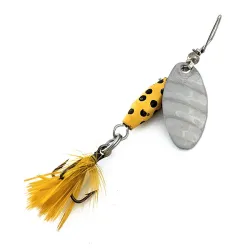
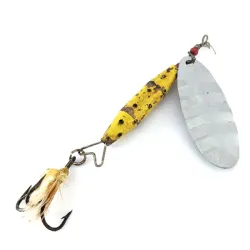
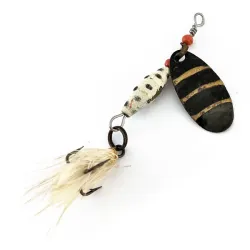
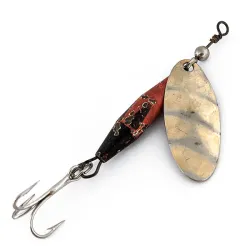
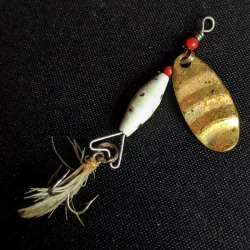
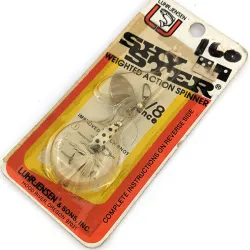
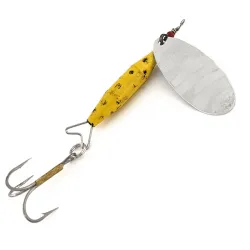
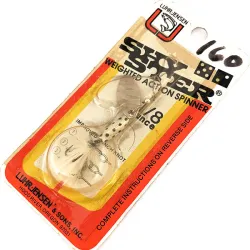
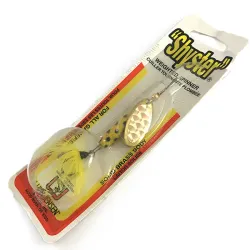
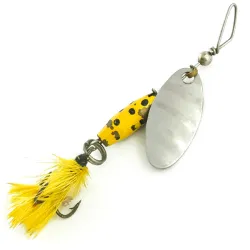
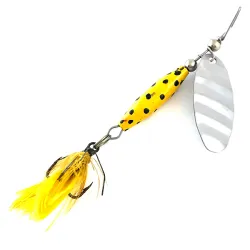
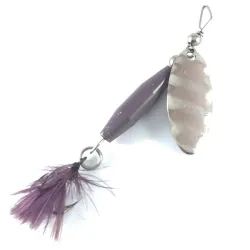
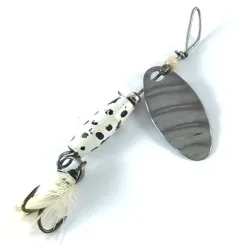
The lineage of the Marble Spinner traces back to the 1940s when Glen L. Evans of Caldwell, Idaho, developed the Shyster. Having applied for a patent in 1948 and secured it in 1949, Evans introduced a design defined by a corrugated, wave-like blade and a specific aesthetic that would define the category. This "Marble" moniker became established due to the characteristic large-spot pattern on the core paired with the rippled blade profile. While Glen L. Evans, Inc. was the inaugural manufacturer, the design’s effectiveness led to various iterations by brands such as South Bend, Worth with the #301 model, Luhr Jensen, Dolphin, and Danielson.
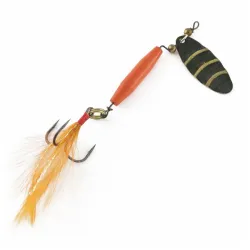
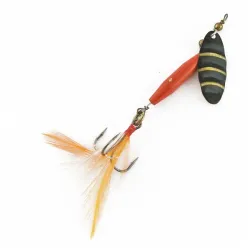
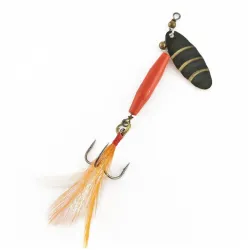
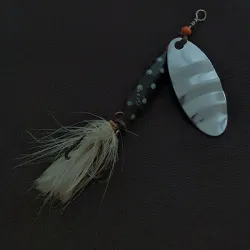
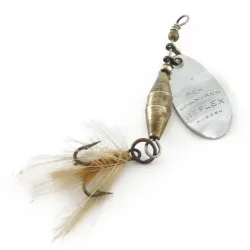
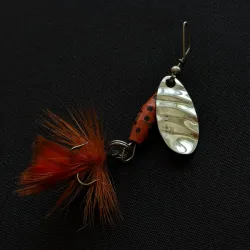
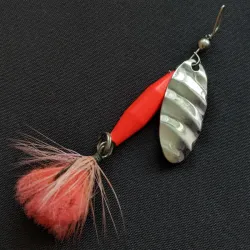
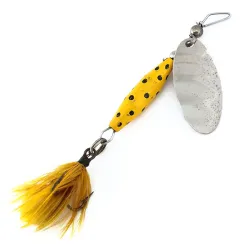
The Abu Garcia Reflex stands as one of the most successful adaptations of this style, remaining a consistent performer since 1951. This inline spinner utilizes a streamlined build that allows for long, accurate casts, maintaining its trajectory even when faced with significant wind. The Reflex and the original Shyster are often regarded as the designs that perfected the Marble format. These lures are notably versatile, capable of triggering strikes from trout, perch, pike, bass, and chub across a variety of freshwater and saltwater habitats.
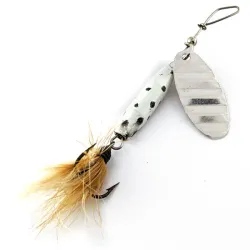
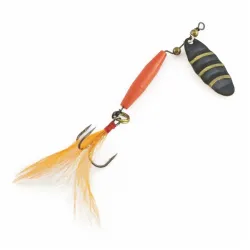
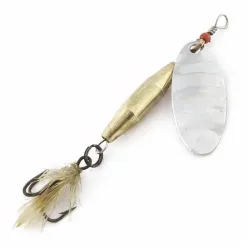
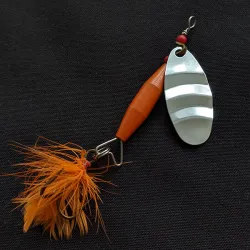
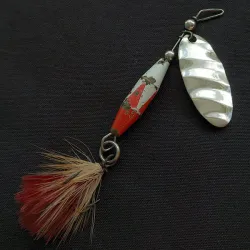
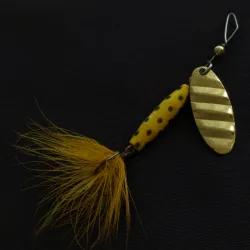
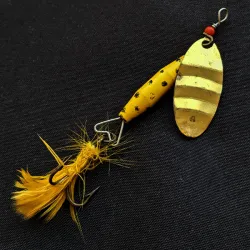
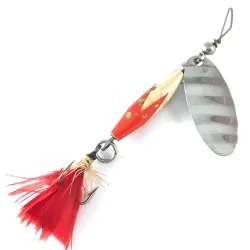
The technical distinction of the Marble Spinner lies in its corrugated blade profile, which provides functional advantages over smooth surfaces. These ripples create flashes across multiple planes and increase water resistance, which enables the blade to rotate effectively during a very slow retrieve. The body typically features a heavy, bullet-shaped core to optimize aerodynamics. To stabilize the lure and provide a clear strike point, classic models like the Reflex, Shyster, and Dolphin are equipped with dressed treble hooks, usually featuring a feather or hackle tail.
Tactical use of these spinners is dictated by their unique vibration and instant engagement. For trout in small streams, an upstream cast is highly effective because the blade engages immediately upon water contact. In standing water, a slow bottom retrieve at the edge of a blade stall is a proven method for tempting passive perch. The rippled blade emits a powerful low-frequency vibration that attracts fish from a distance, while the lure’s weight-to-size ratio makes it suitable for reaching asp or maintaining stability in the heavy currents favored by chub.