Glen L. Evans — Precision Engineered Fishing Lures
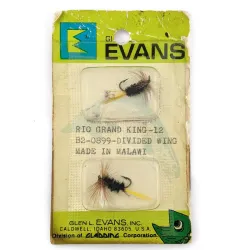
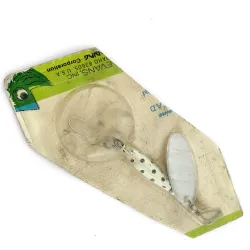
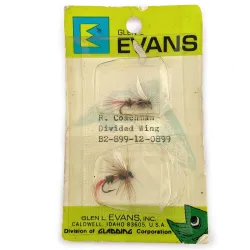
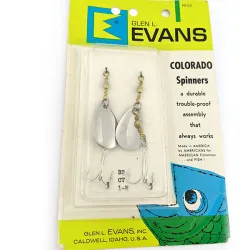
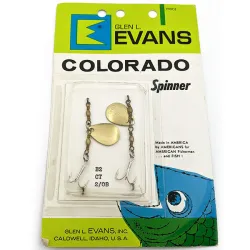
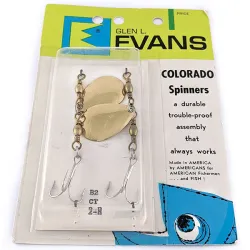
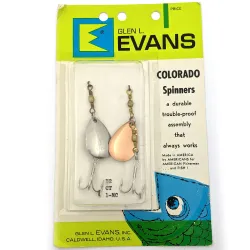
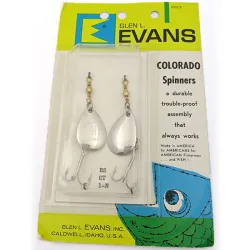
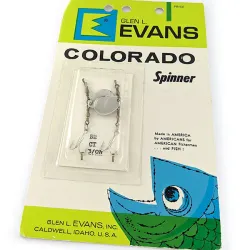
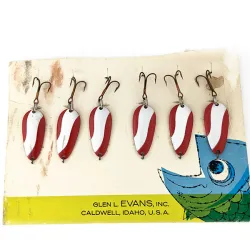
Established in 1944 in Caldwell, Idaho, Glen L. Evans brought the precision of engineering and jewelry craftsmanship to the tackle industry. The founder integrated a professional technical background with his experience as an angler to produce lures emphasizing realistic details. During the 1950s, the firm became a part of the Gladding Corporation, a historic entity dating back to 1816 and known as a pioneer among American tackle manufacturers.
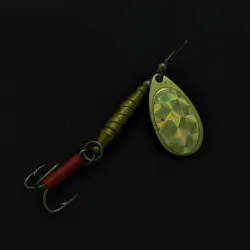
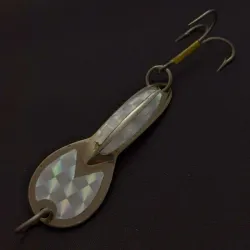
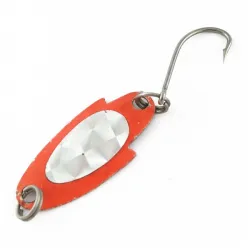
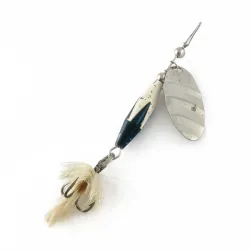
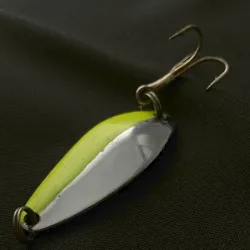
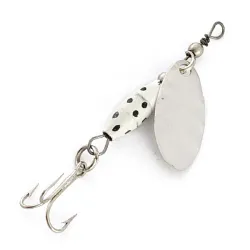
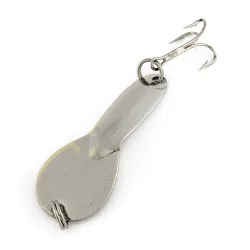
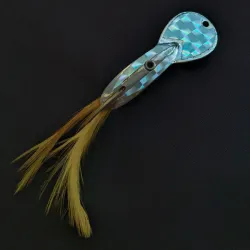
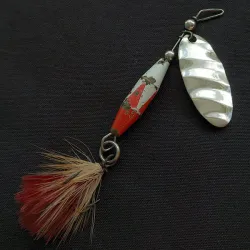
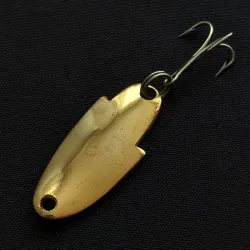
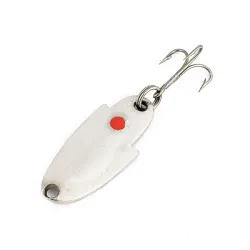
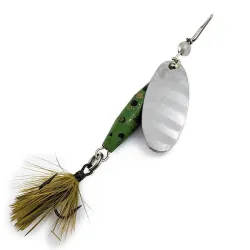
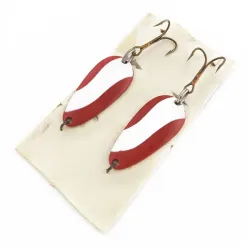
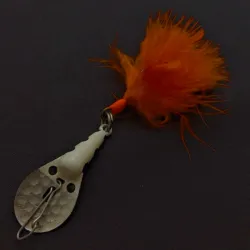
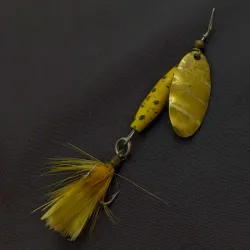
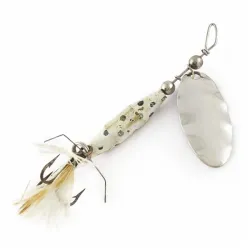
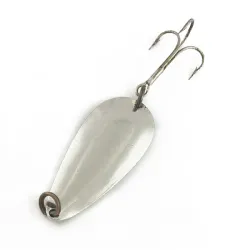
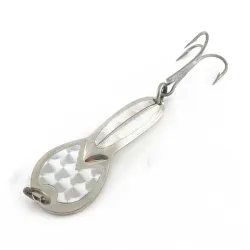
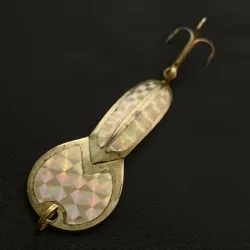
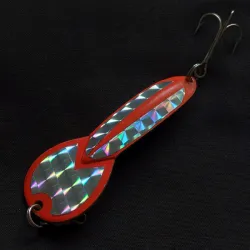
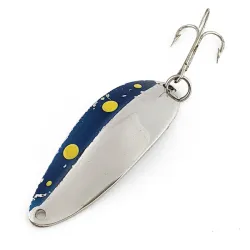
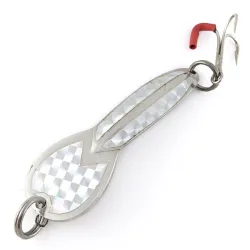
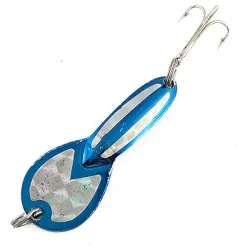
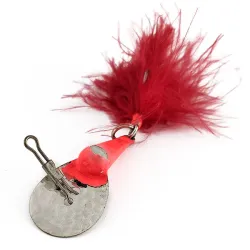
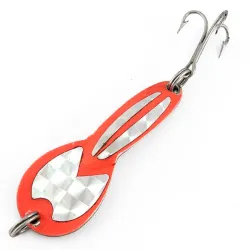
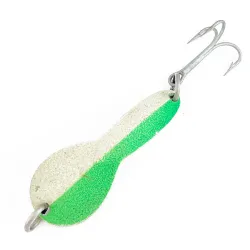
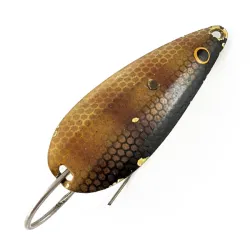
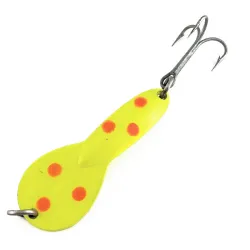
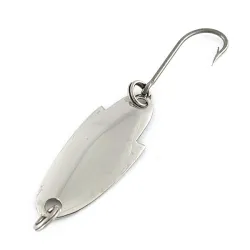
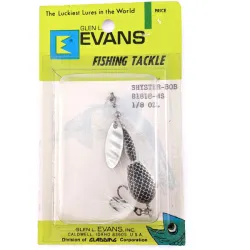
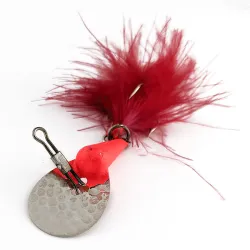
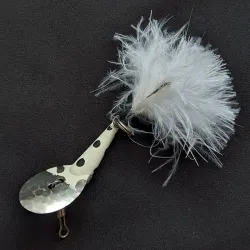
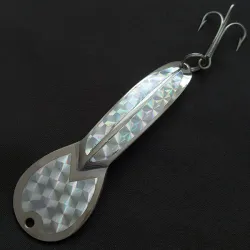
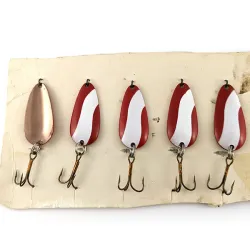
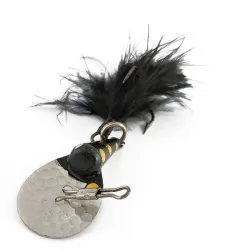
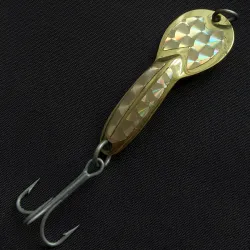
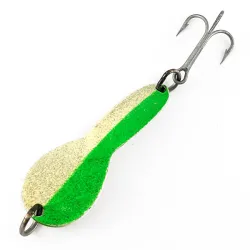
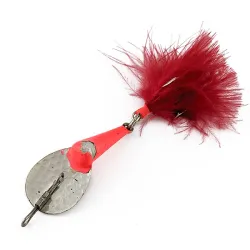
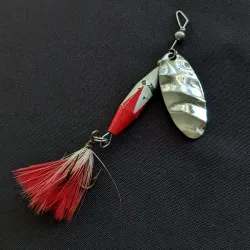
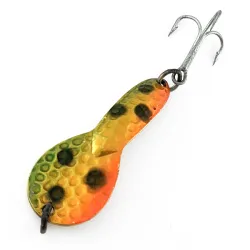
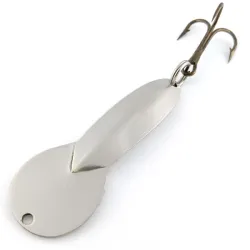
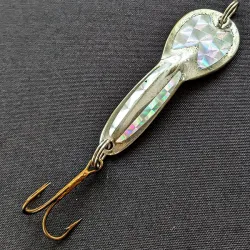
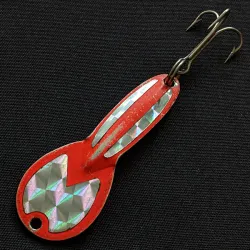
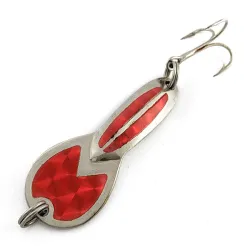
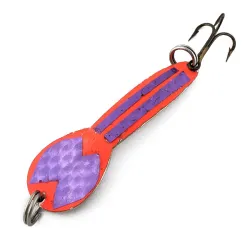
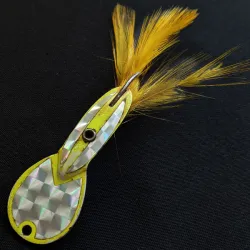
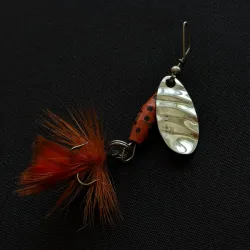
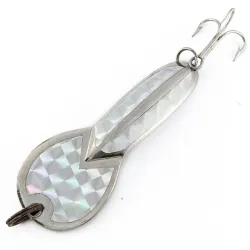
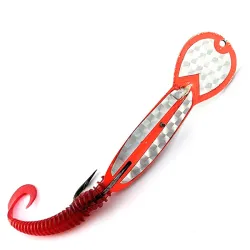
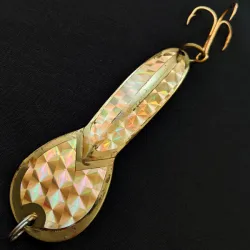
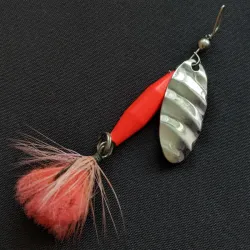
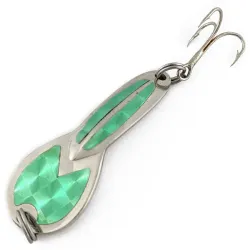
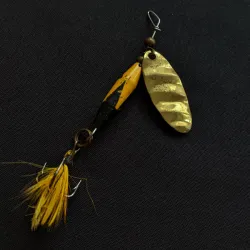
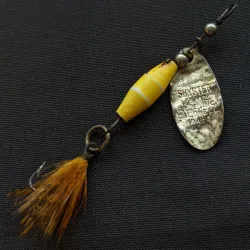
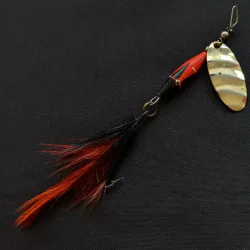
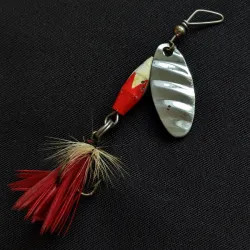
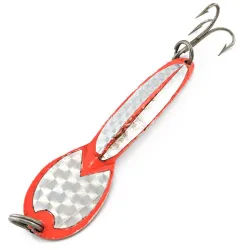
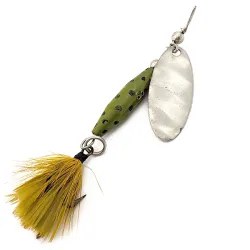
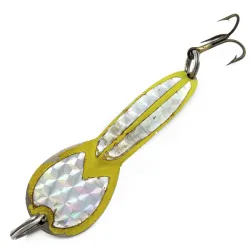
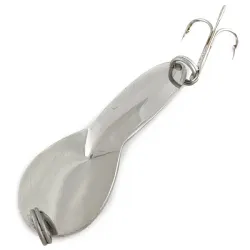
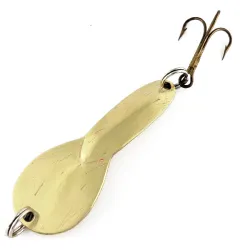
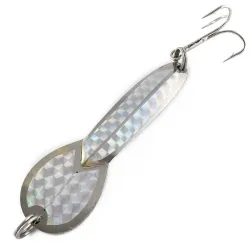
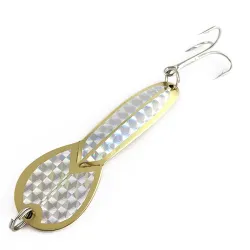
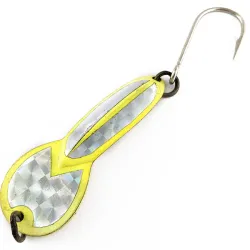
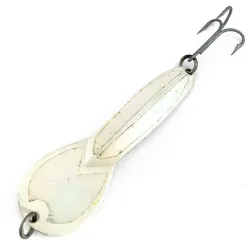
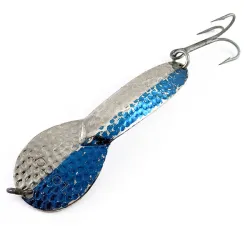
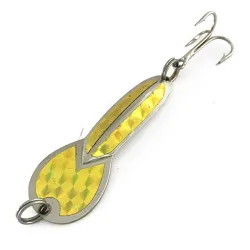
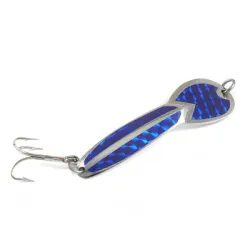
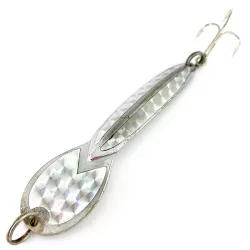
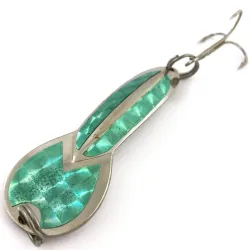
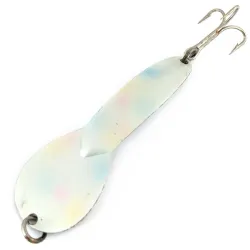
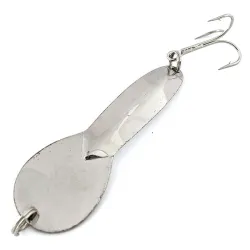
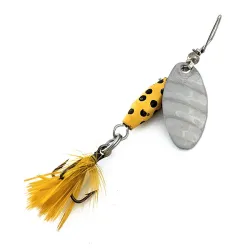
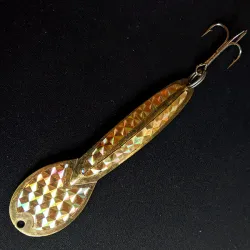
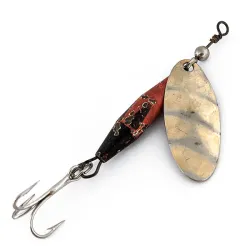
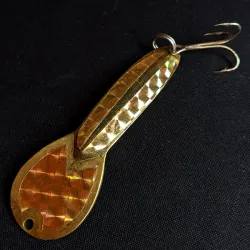
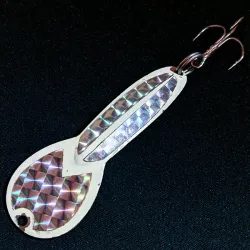
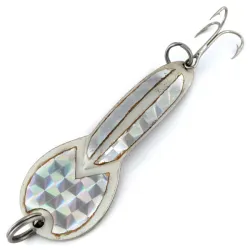
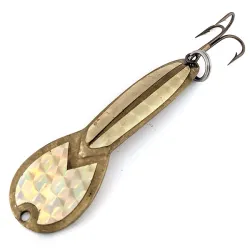
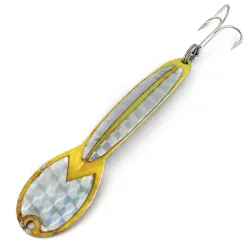
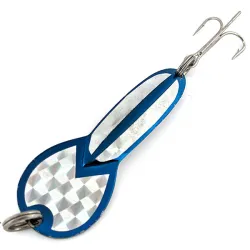
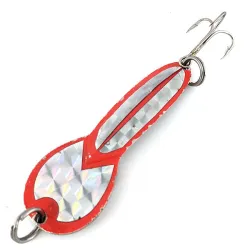
The company's technical developments were rooted in engineering principles and protected by various patents. Among the items in their catalog was the Shyster, an in-line spinner patented in 1951 (US 2,537,131). The design featured a blade mounted directly on the axis to facilitate immediate rotation upon hitting the water. Another offering was the Loco spoon, which utilized a broken profile geometry patented in 1950 (US 2,510,566) to create erratic oscillations mimicking wounded prey. For surface or sub-surface work, the Gad-About plug, patented in 1952 (US 2,612,716), was designed with a wandering action intended to cover water without causing line twist.
Material selection for these lures included certified brass and stainless steel with specific electroplated finishes. These tools were intended for use in varied conditions, including fast currents and deep water. The Shyster spinners were often utilized for upstream fishing, as the blade design prevented sticking when moving with the flow. The Loco spoon was frequently employed for slow trolling techniques. These lures were commonly used when targeting species such as trout, salmon, bass, and pike.