Red Devil Lure - Dardevle
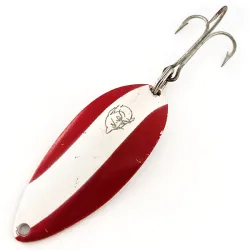
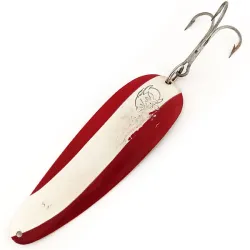
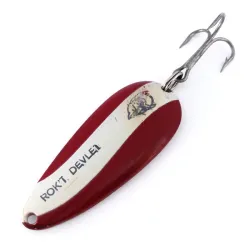
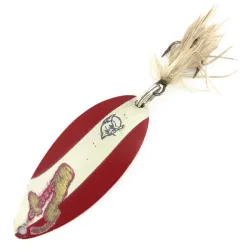
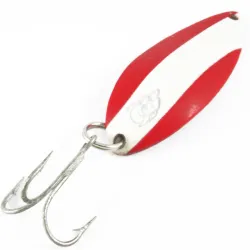
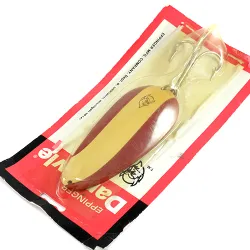
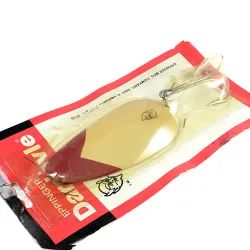
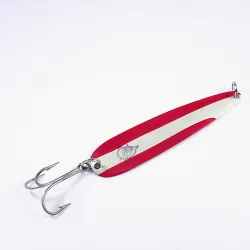
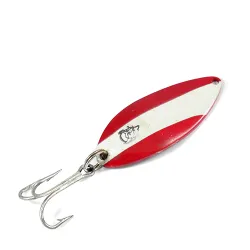
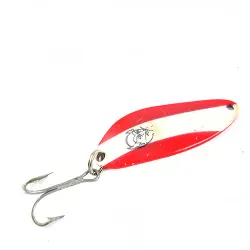
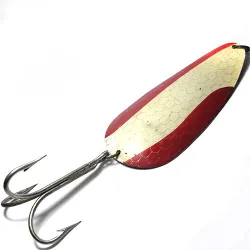
The legacy of the Dardevle spans over a century, tracing its origins back to 1906 when Lou Eppinger crafted his first 1-ounce brass spoon known as the Osprey. While the modern angler immediately associates the brand with its iconic red and white pattern, the initial offering featured the 03 Black Devle color scheme—a white central stripe flanked by black edges. It wasn't until 1918 that the lure underwent a significant rebranding. To circumvent contemporary censorship regarding the word "Devil" on packaging, Eppinger devised the unique spelling "Dardevle." This period also saw the introduction of the now-legendary 16-Red Devle pattern, characterized by a red background and a white zigzag or lightning stripe.
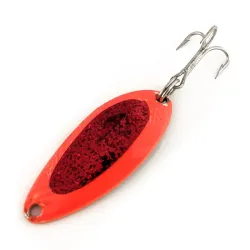
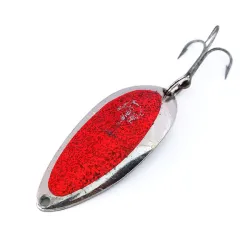
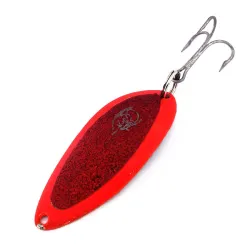
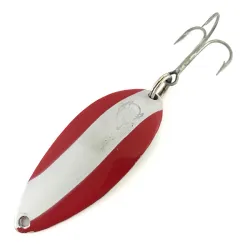
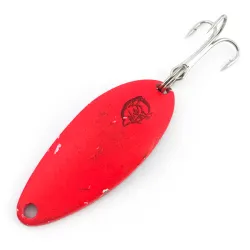
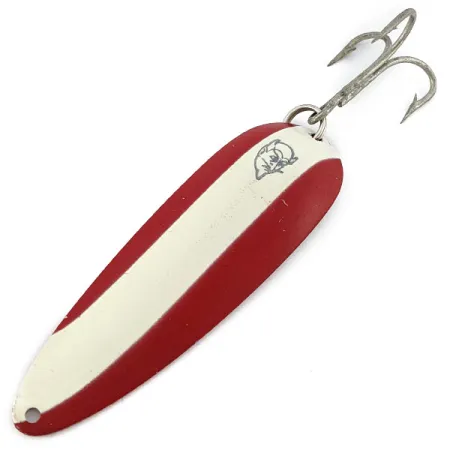
The visual mechanics of the 16-Red Devle pattern serve a distinct predatory trigger. The red pigment is designed to mimic the appearance of gills or the blood of an injured baitfish, while the white stripe provides a sharp visual contrast during the spoon’s oscillation. This contrast creates a perceived "break" in the lure's silhouette, a feature particularly effective at provoking strikes from pike and trout, even in turbid or murky water conditions. While many anglers refer to any red-and-white spoon as a "Red Devil," the authentic version is defined by this specific color code and a nickel-plated reverse side.
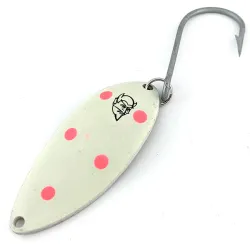
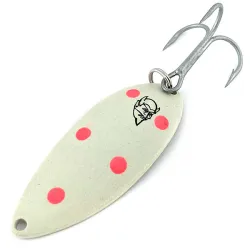
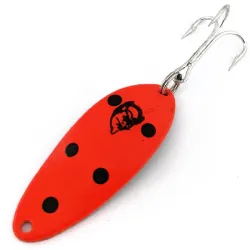
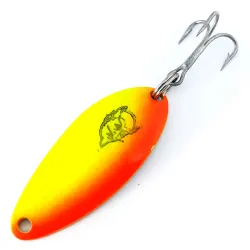
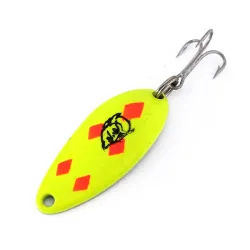
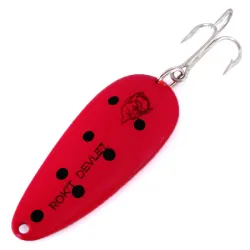
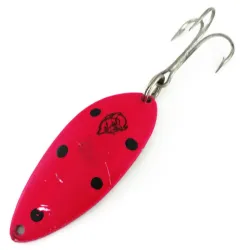
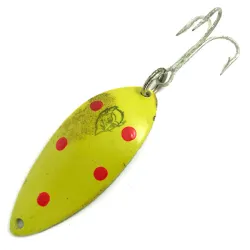
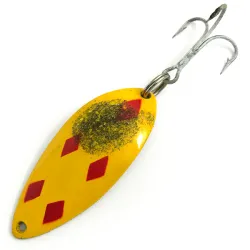
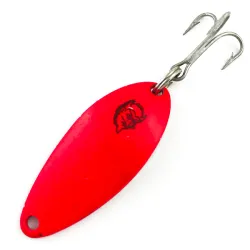
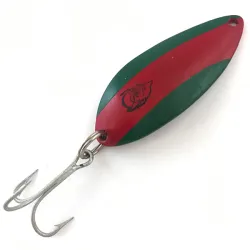
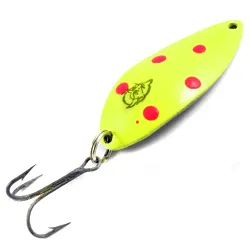
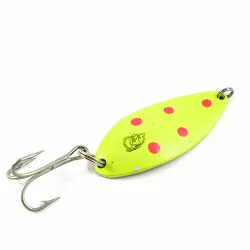
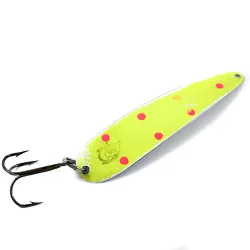
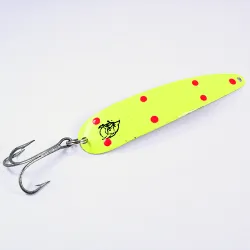
Structural design is as critical to the Dardevle's performance as its pigmentation. Manufactured by the Eppinger Mfg. Co. in the USA, these spoons feature a unique metal taper, being thicker in the center and thinner toward the edges. This specific geometry allows the lure to maintain a stable, erratic action without the detrimental line twist often associated with inferior spoons. Although the lure's fame led to widespread imitation, the genuine article is identifiable by the devil head logo, which was added to the upper portion of the lure in 1950 specifically to combat the influx of counterfeits.
Versatility remains a hallmark of this classic casting spoon. While primarily recognized for its effectiveness on pike, it is a staple for lake trout, salmon, and perch. The combination of its historic weight distribution and the high-contrast finish continues to make it a primary choice for targeting aggressive predators across diverse freshwater environments.