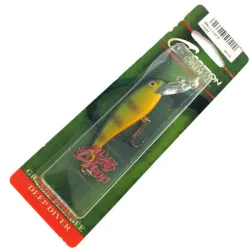
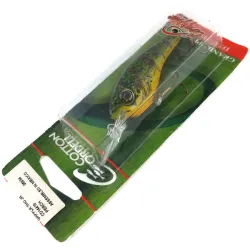
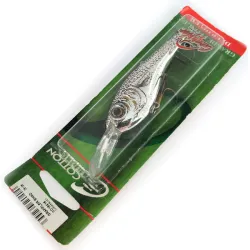
Cotton Cordell — American Lure Innovation Since 1952
The origins of Cotton Cordell date back to 1952 when Carl Richey "Cotton" Cordell, nicknamed for his fair hair, founded the company in Hot Springs, Arkansas. Legend in the angling community suggests that his first lure was a kitchen-built creation made from plastic and hair from his own setter. From these early handmade beginnings, the brand focused on producing lures that mimicked natural forage, later moving its operations to Fort Smith
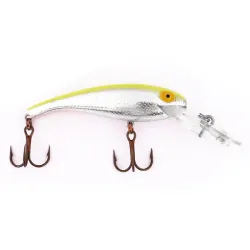
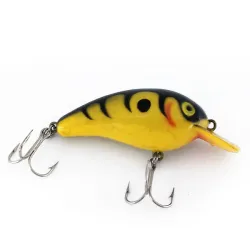
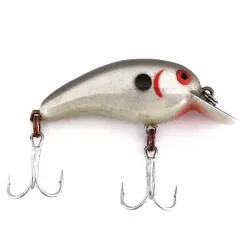
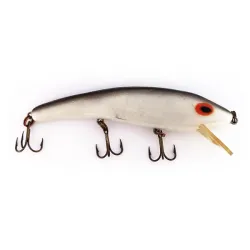
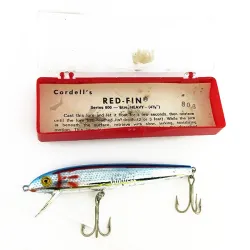
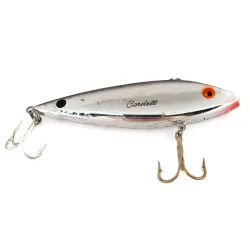
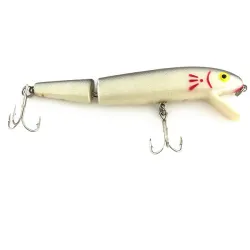
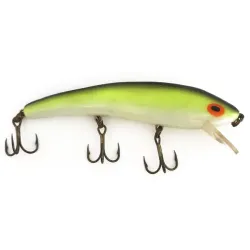
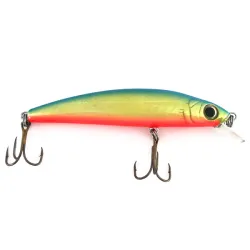
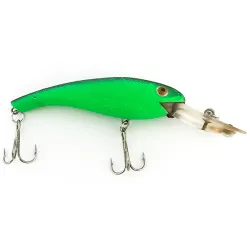
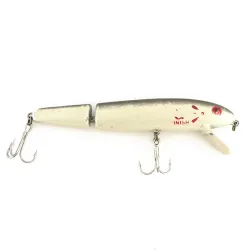
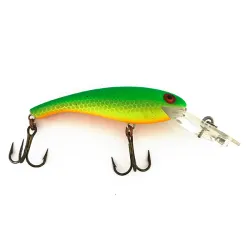
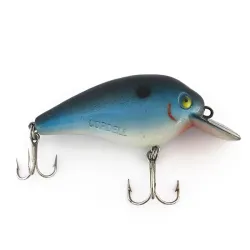
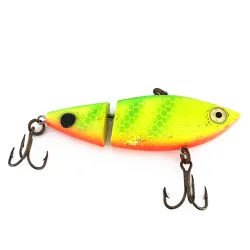
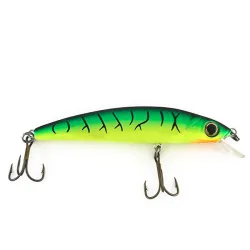
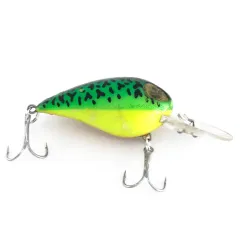
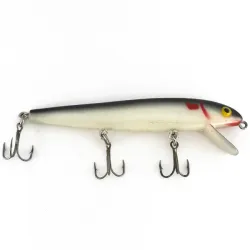
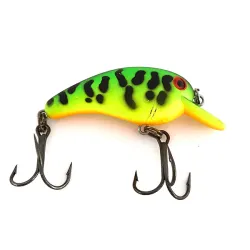
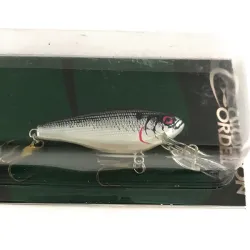
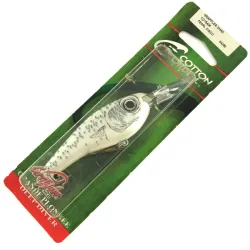
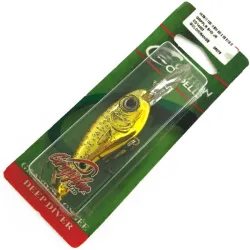
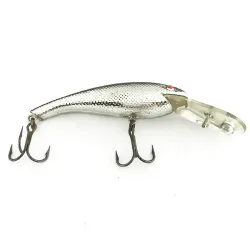
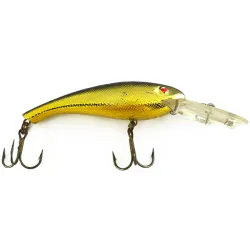
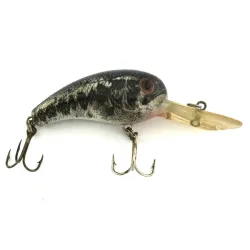
Among the notable minnow lures in the lineup was the Red-Fin. This model became recognized for its specific action, designed to imitate injured baitfish, and was frequently utilized for slow trolling or as a wakebait. In 1973, the company introduced the Big O, a design that expanded to include standard models and the Deep Big-O. To maintain a true track with the deep-diving versions, anglers were advised to tune the front eyelet, often employing a Cordell Safety Snap to ensure the lure maintained its maximum range of motion.
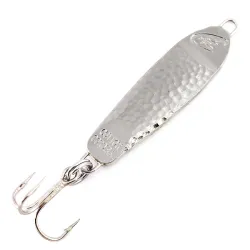
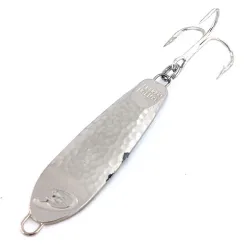
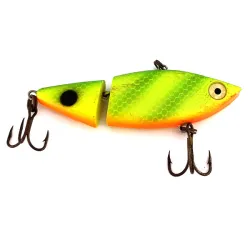
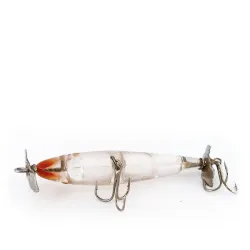
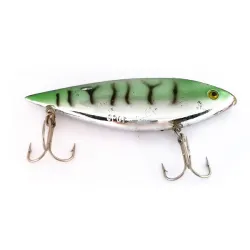
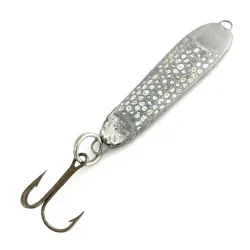
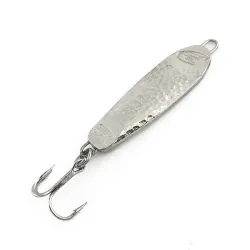
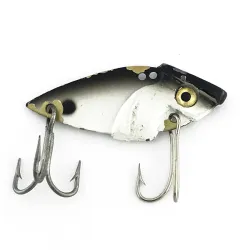
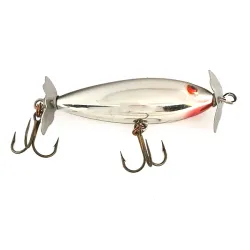
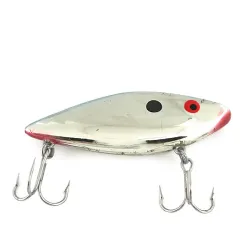
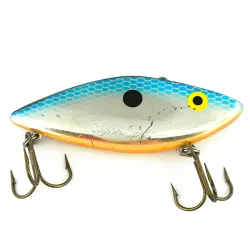
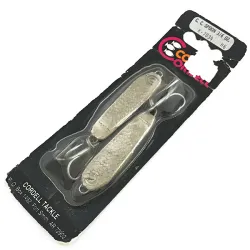
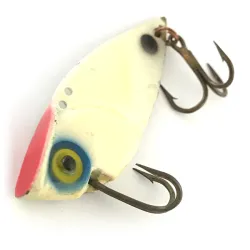
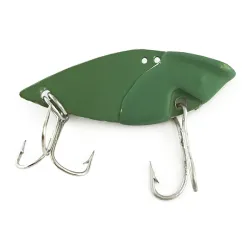
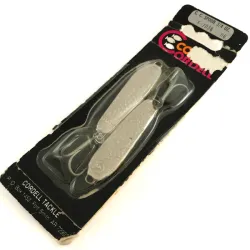
The assortment also featured topwater options such as the Crazy Shad. This series included the 400 and 600 models, which were equipped with propellers at both ends to create surface disturbance over cover. Conversely, the 300 and 500 series lacked propellers but utilized tail weighting to increase casting distance and provide a silent approach for pressured fish in clear water. For vibration-based tactics, the Gay Blade served as the brand's primary blade bait. The 3800 series, weighing 1/4 oz, featured multiple attachment points on its spine, allowing the user to adjust the vibration intensity and the depth at which the lure ran during a steady retrieve.
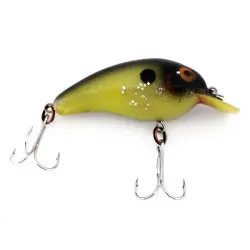
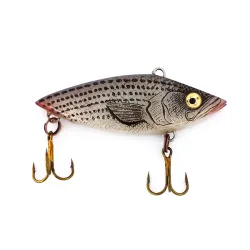
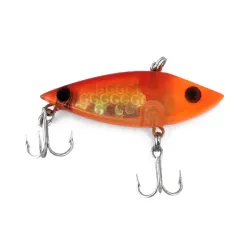
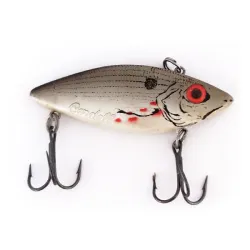
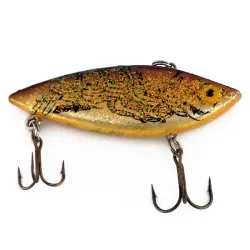
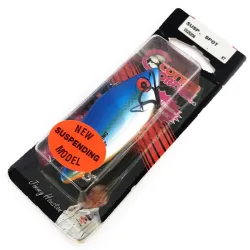
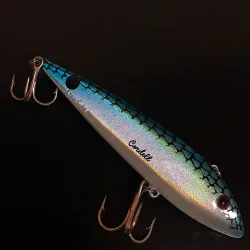
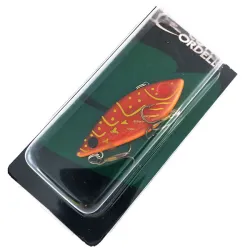
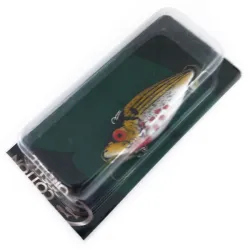
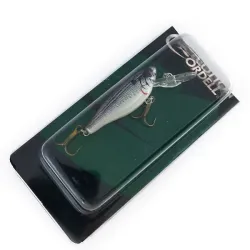
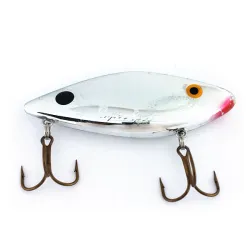
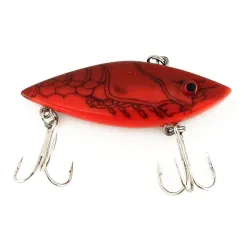
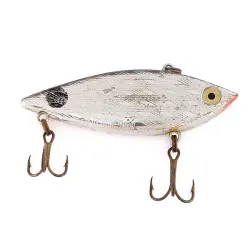
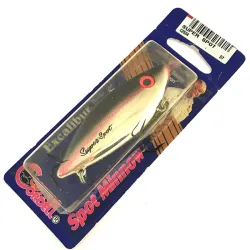
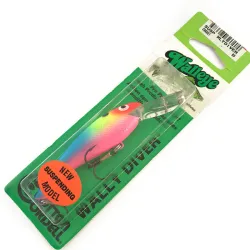
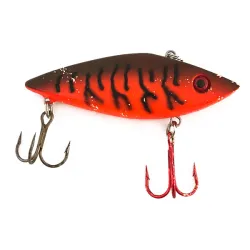
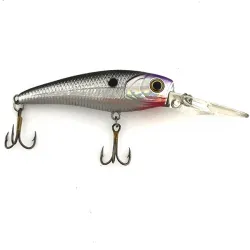
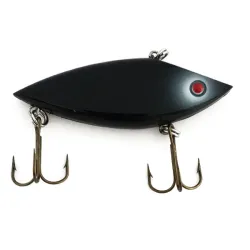
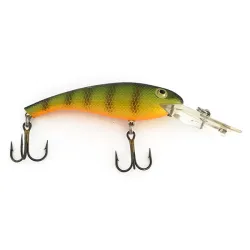
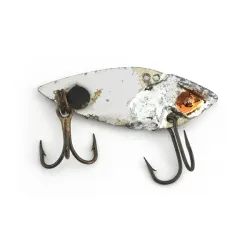
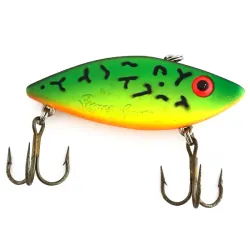
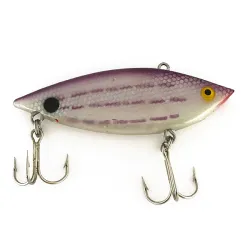
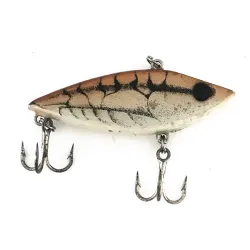
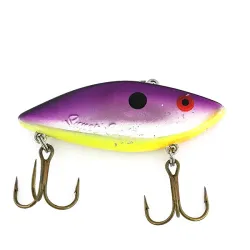
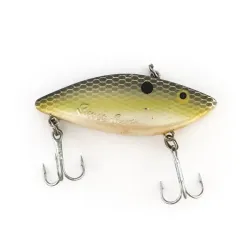
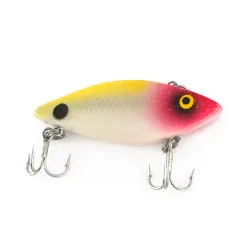
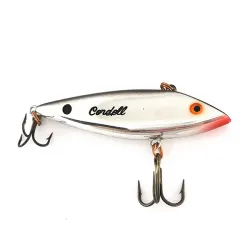
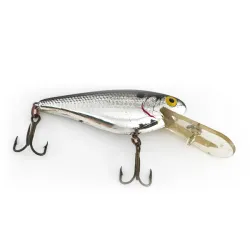
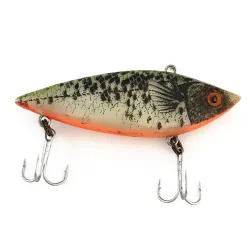
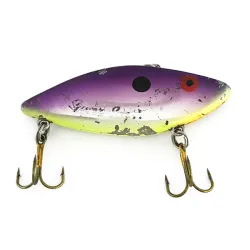
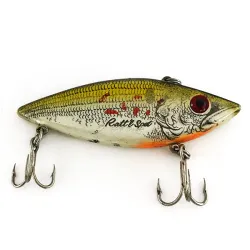
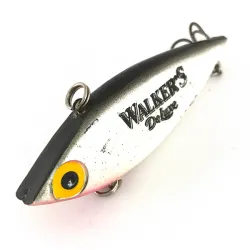
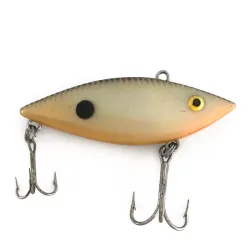
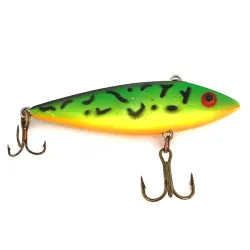
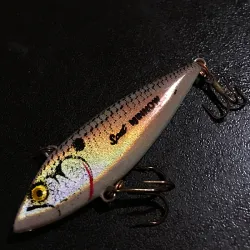
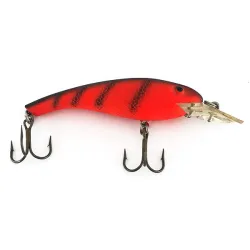
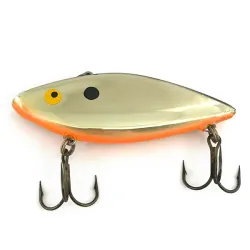
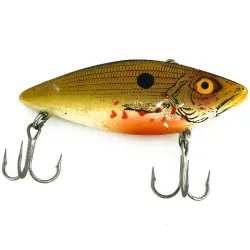
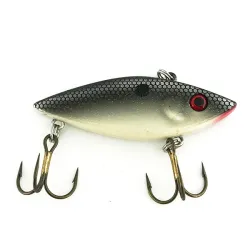
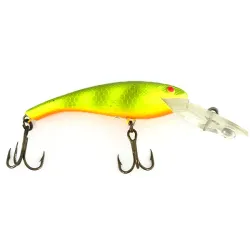
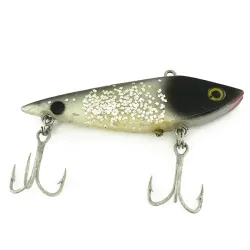
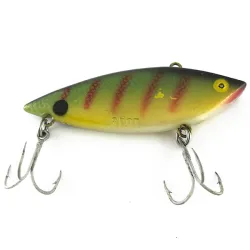
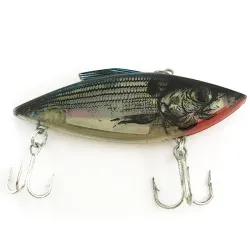
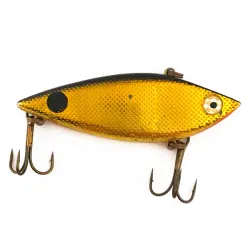
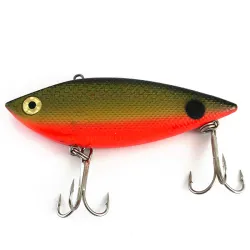
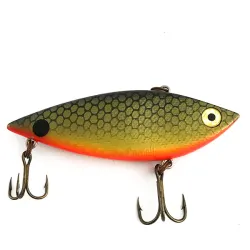
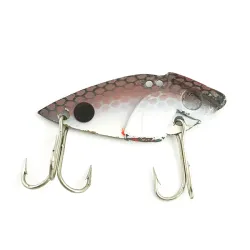
The development of lipless crankbaits led to the Super Spot. A direct contemporary to other rattling lures, the C33 model was used for targeting various species including bass, walleye, and pike. Its design allowed for traditional steady retrieves through vegetation or deeper jigging applications, where the strikes often occurred during the free-fall phase. Another staple was the Wally Diver, a lure shaped to match forage fish profiles. Technical recommendations for this lure included trolling it close enough to the bottom to occasionally make contact, as well as using a pause-heavy retrieve when casting.
Cotton Cordell eventually became part of the PRADCO Outdoor Brands group. This transition ensured that the original designs from the mid-20th century, which had been proven in numerous tournaments, remained available to the angling public while maintaining the technical characteristics established during the company's independent years in Arkansas.