Heddon

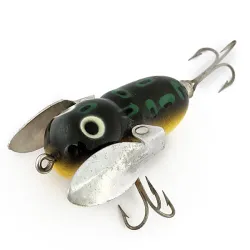
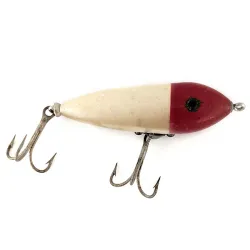
The origins of James Heddon & Sons. James Heddon, a beekeeper from Dowagiac, Michigan, is credited with carving his first wooden lure around 1894. This development followed an observation at Mill Pond where a bass struck a discarded piece of wood. In 1902, James and his son Will officially established the company. The earliest lures were handcrafted in the family kitchen, eventually leading to the company becoming a large-scale manufacturer of fishing tackle by the 1920s.
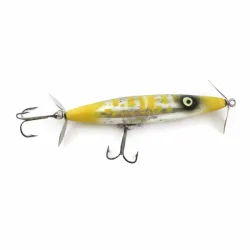
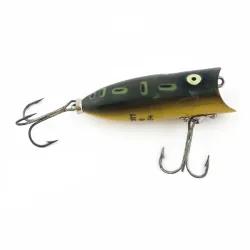
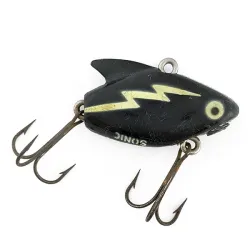
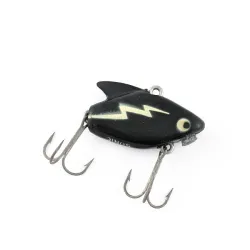
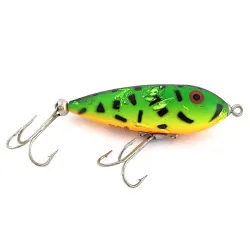
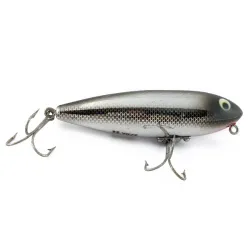
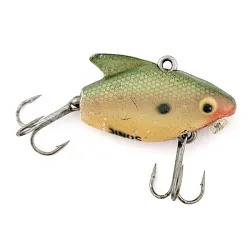
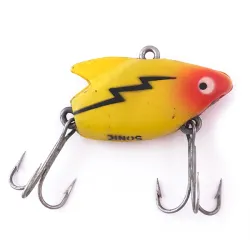
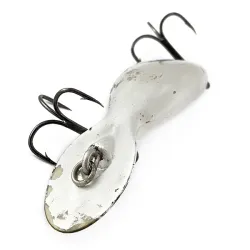
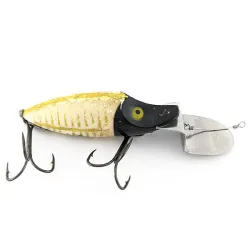
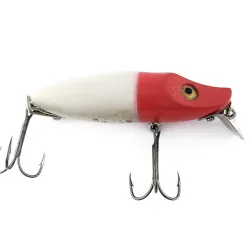
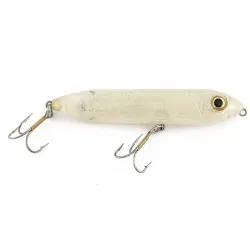
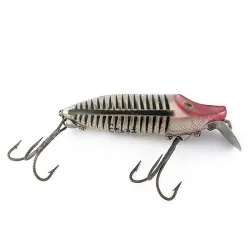
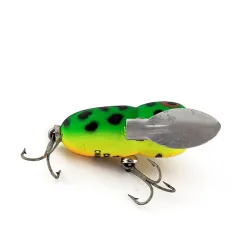
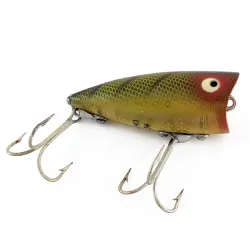
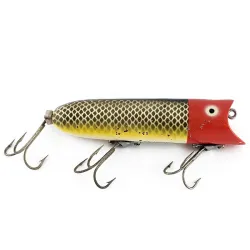
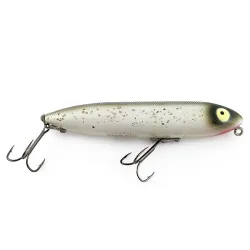
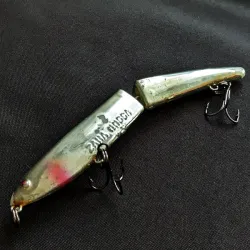
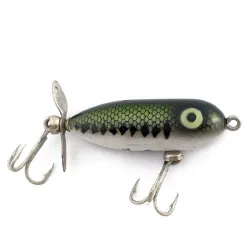
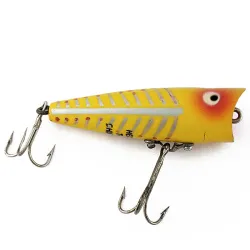
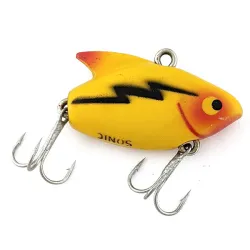
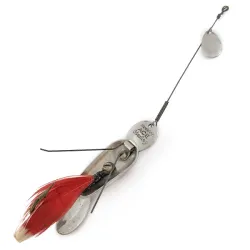
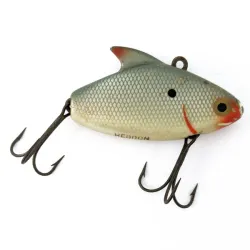
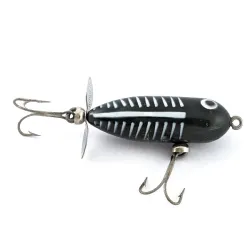
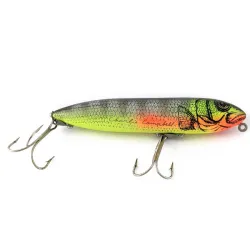
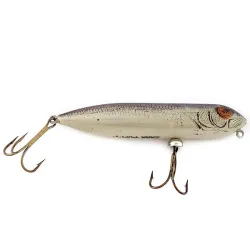
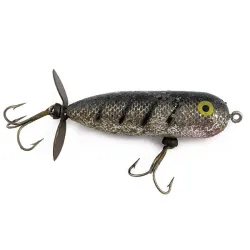
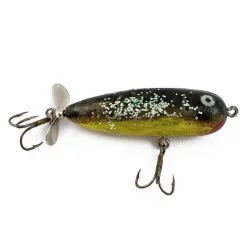
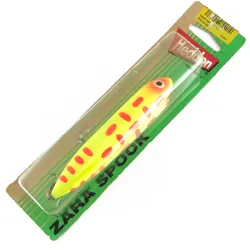
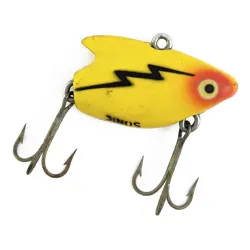
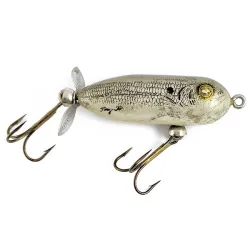
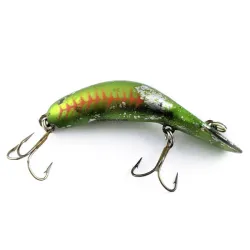
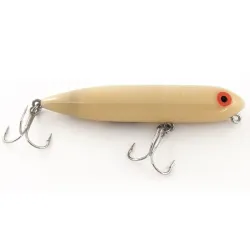
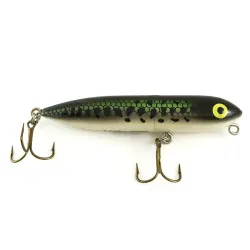
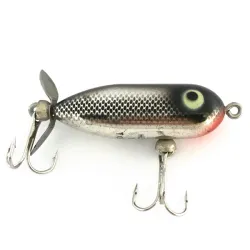
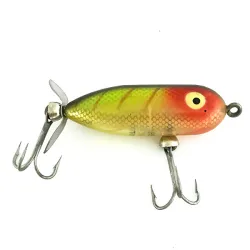
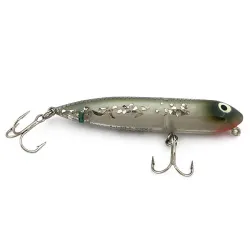
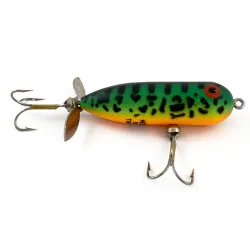
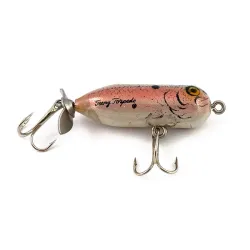
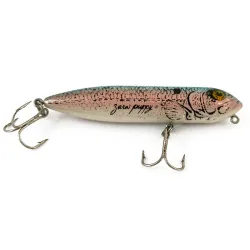
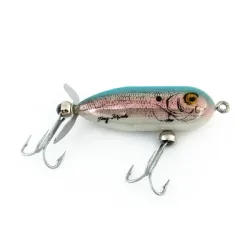
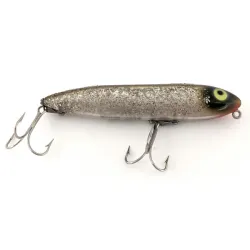
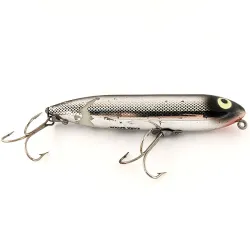
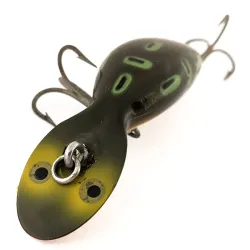
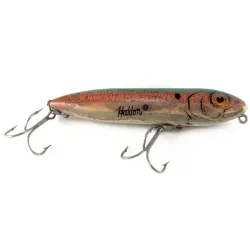
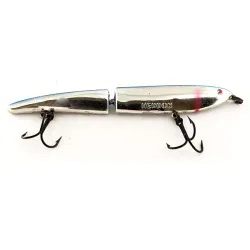
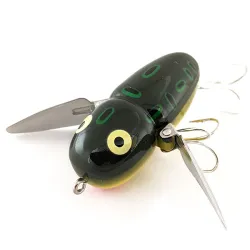
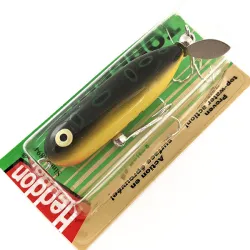
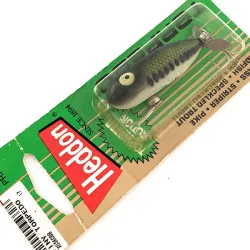
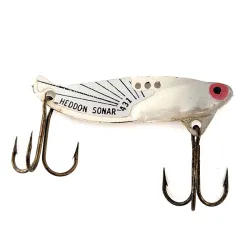
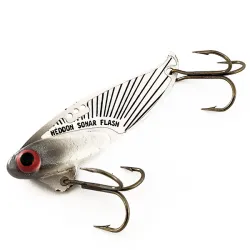
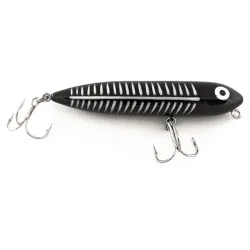
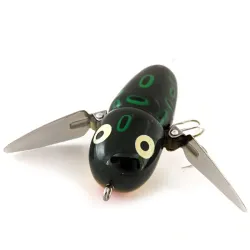
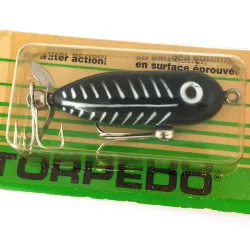
Notable lures in the company history. Among the products released was the Dowagiac Minnow in 1902, a wooden lure featuring a metal collar. In 1920, the lineup included the Lucky 13, a surface lure with a concave front designed to produce a specific sound. The River Runt, introduced in 1933, was produced in both wooden and plastic versions. In 1939, the Zara Spook was added to the catalog; originating from the wooden Zaragosa, it became a representative of the "walk-the-dog" technique.
Material innovations and rod production. In 1932, the company began producing lures made of transparent plastic, which were designated with the term "Spook" due to their semi-transparent appearance. Beyond lures, the company’s manufacturing history includes bamboo fly rods, with over 100,000 units produced by 1940. Rare early 20th-century specimens, such as the Heddon Black Sucker, have been documented in auctions with prices reaching between 15,000 and 19,000 dollars.