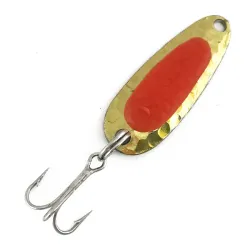
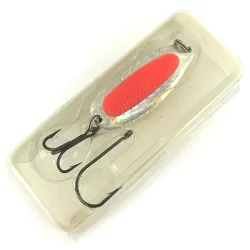
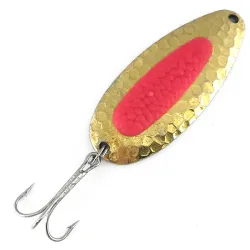
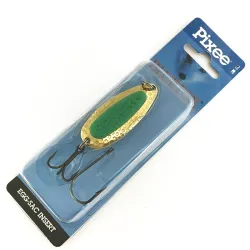
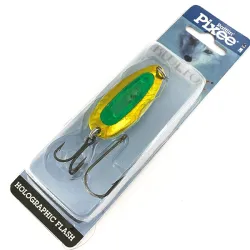
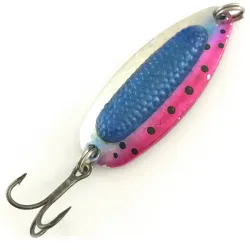
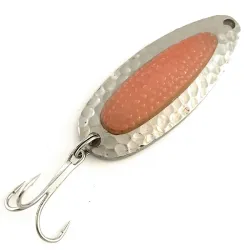
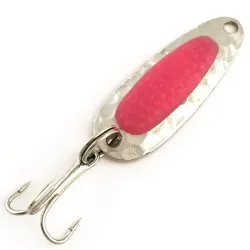
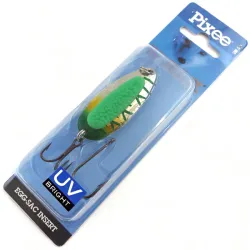
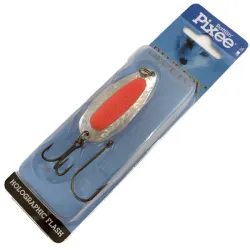
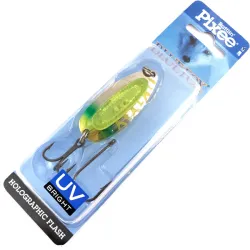
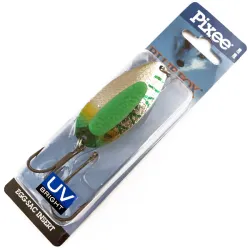
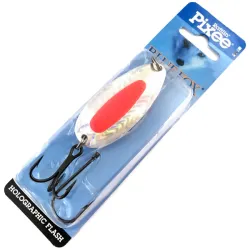
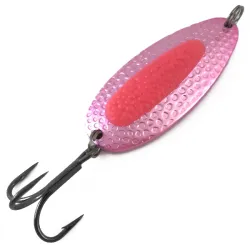
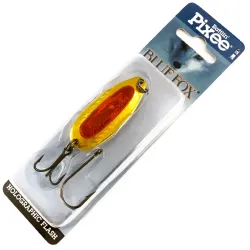
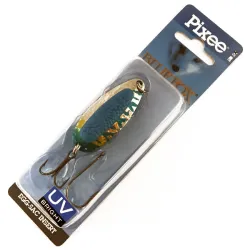
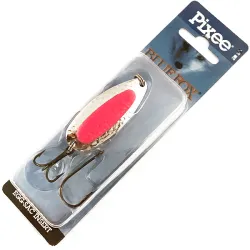
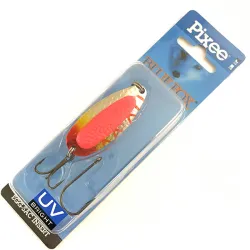
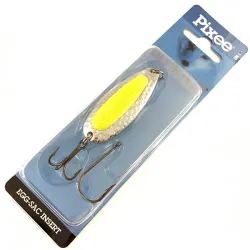
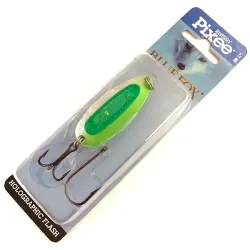
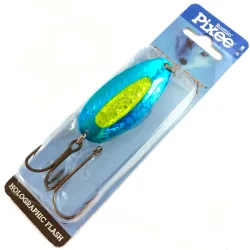
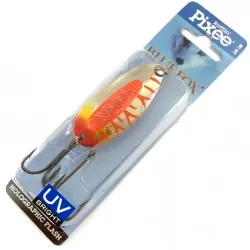
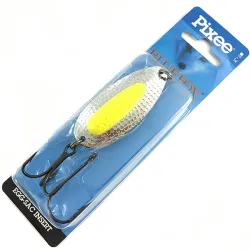
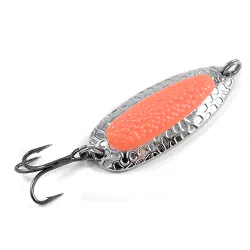
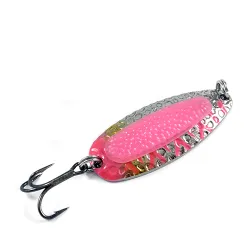
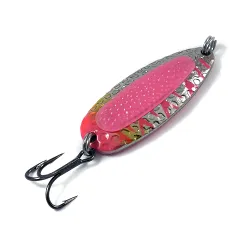
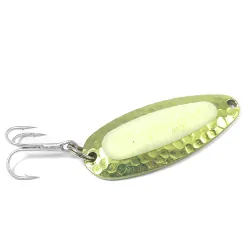
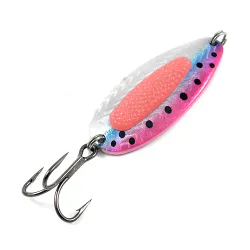
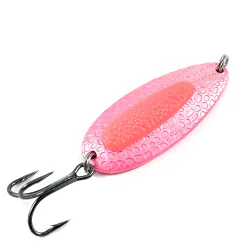
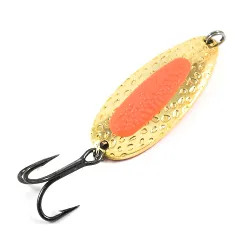
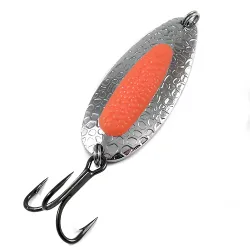
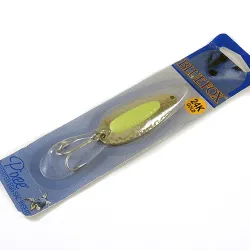
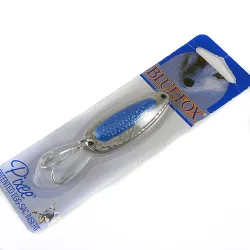
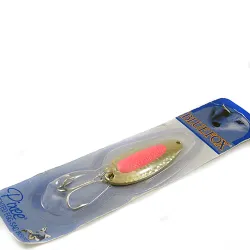
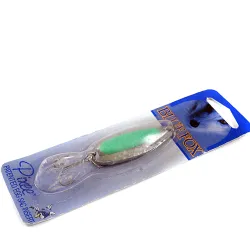
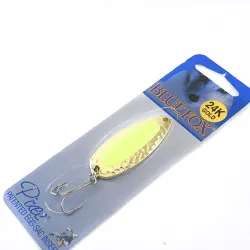
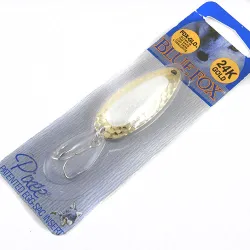
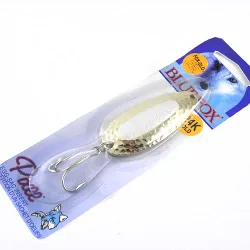
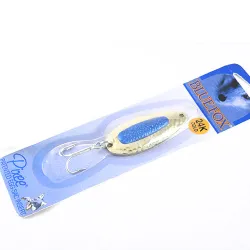
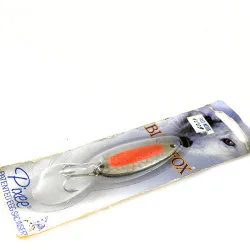
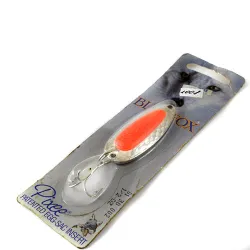
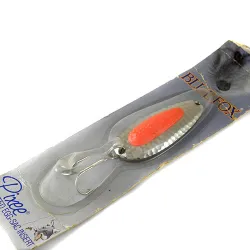
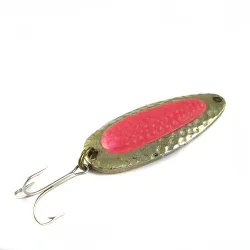
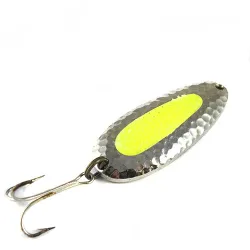
Pixee spoon: long casting, long history, long fish
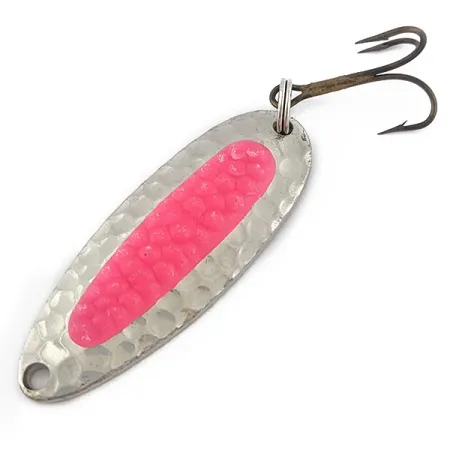
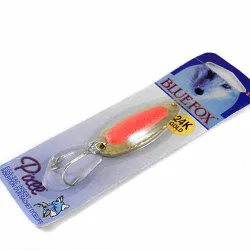
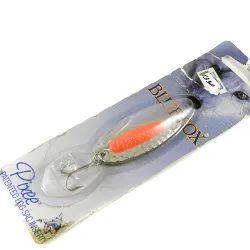
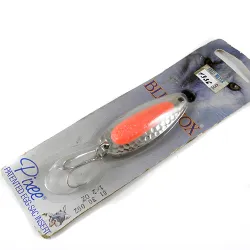
Pixee Spoon carries a lineage that starts back in the 1960s, when it was produced by National Expert Bait (Nebco). In the 1980s that same company took the Blue Fox name, and today it sits under the Rapala umbrella—yet Pixee remains a working spoon for both cast-and-retrieve fishing and trolling.
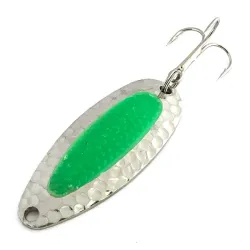
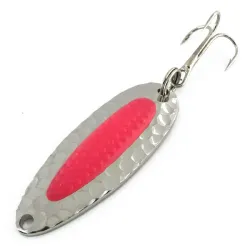
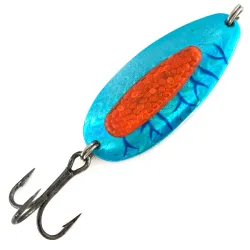
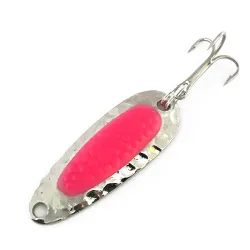
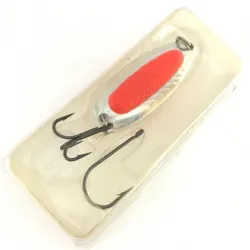
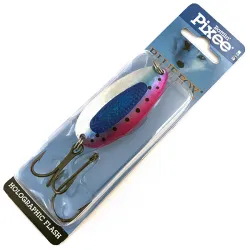
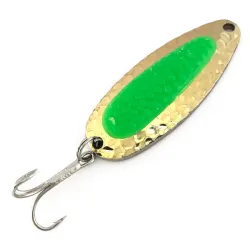
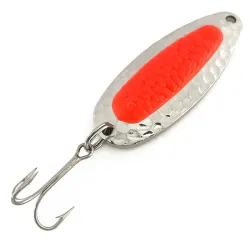
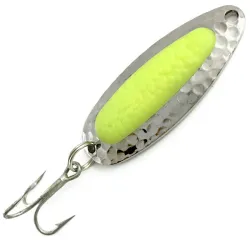
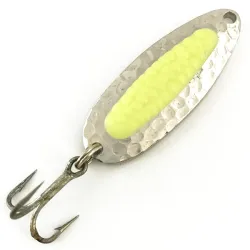
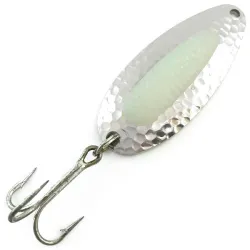
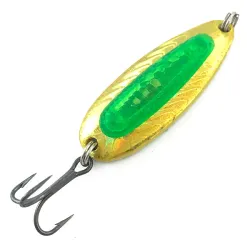
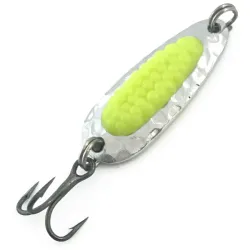
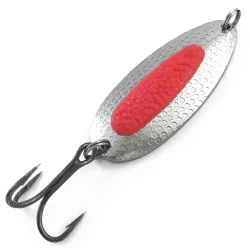
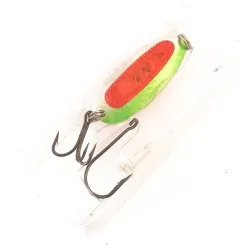
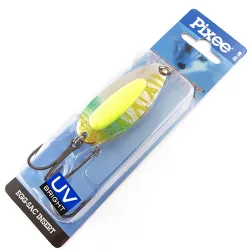
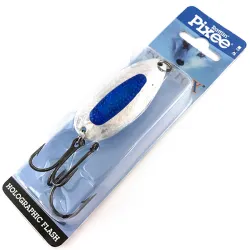
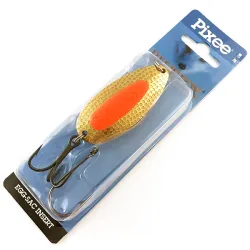
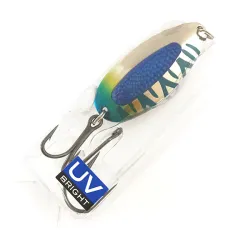
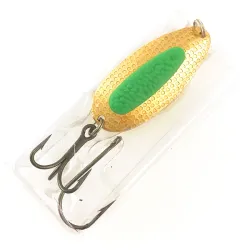
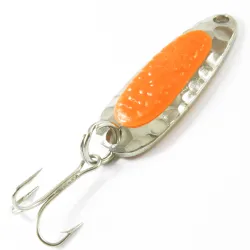
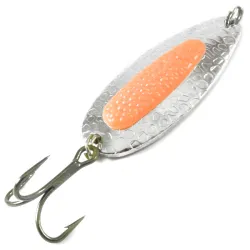
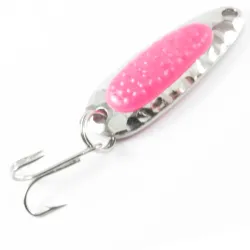
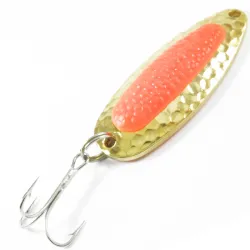
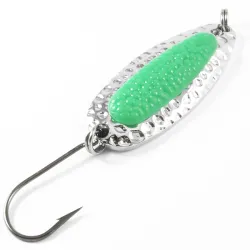
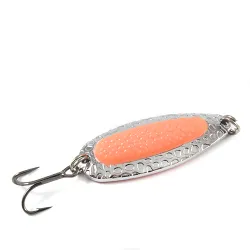
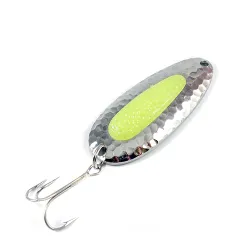
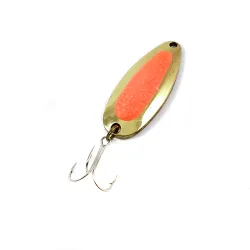
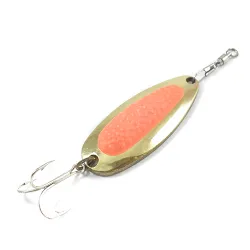
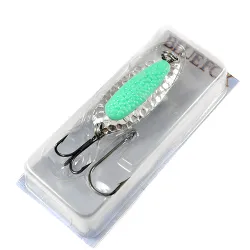
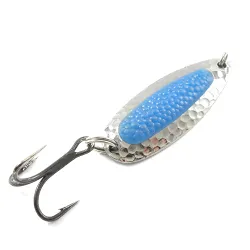
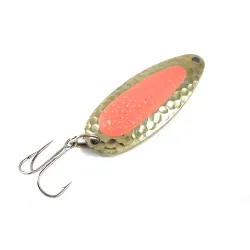
The build explains the way it behaves in the water. A heavy, cast brass body gives Pixee the weight for long casting, while a distinctive plastic insert imitates salmon roe. On the move, this spoon can be made to dart, wobble, and spin, which opens the door to different retrieves—fast or slow—and to fishing both shallow and deep.
It’s a spoon that gets tied on across species lines: pike, perch, zander, trout, salmon, and saltwater fish all fall within its intended range. Over time it has also earned a reputation as a tool for trophy hunting, and its durability supports that role: quality materials for strength and corrosion resistance, plus a tough finish designed to stay intact for decades.
Rigging is straightforward, but specific. For best results, a Snap Swivel is recommended, along with the lightest line possible—an approach that matches the spoon’s long-casting design and keeps its action clean.
Rivers: let current do part of the work. Pixee’s sturdy construction suits strong river and stream flows. The method is to cast from a deep spot upstream and let the current carry the spoon down the slope into deeper water. During the drift, small twitches of the rod tip help lift the spoon slightly off bottom, and careful line-watching is part of the program to spot the strike.
Lakes: classic retrieve, deliberate changes. In stillwater, standard cast-and-retrieve tactics apply, with an emphasis on periodic rod animations—mixing movements—along with changes in retrieve speed and the spoon’s play. When trolling Pixee, attention goes to one detail above all: keeping the lure moving at the proper speed to maintain its best action.