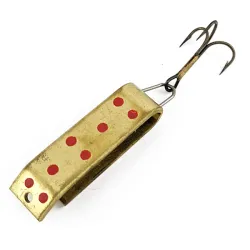
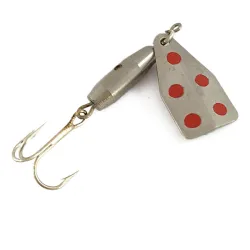
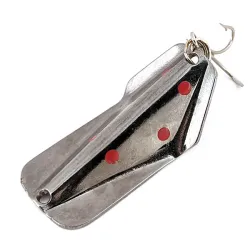
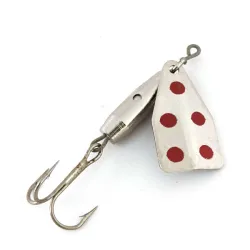
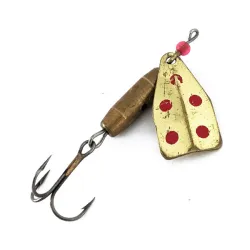
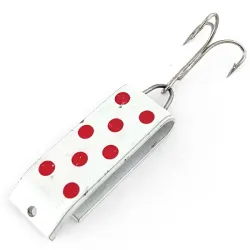
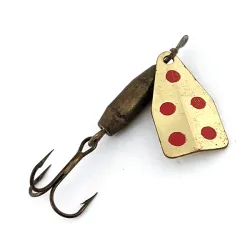
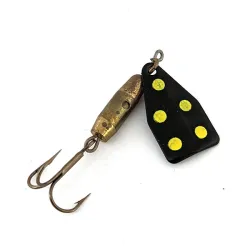
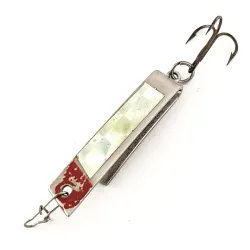
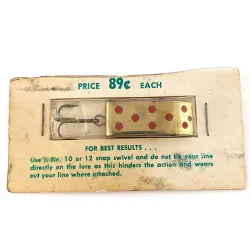
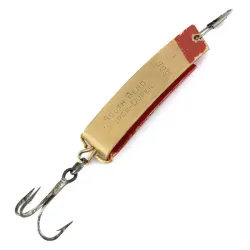
Super-Duper and similar
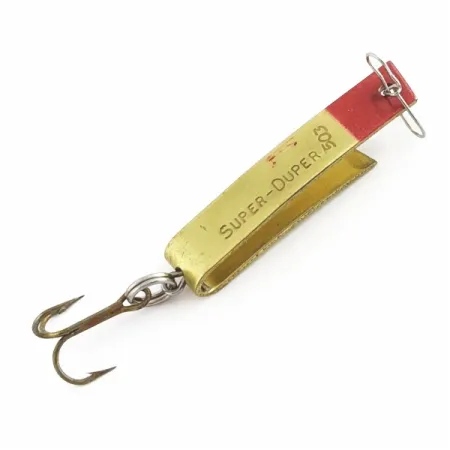
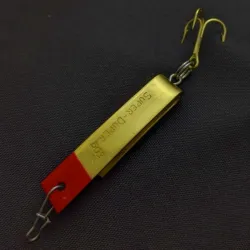
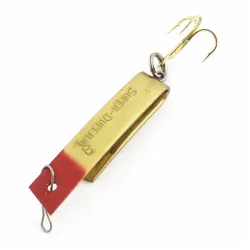
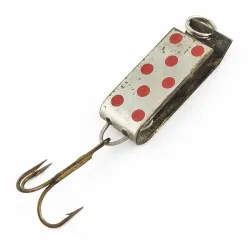
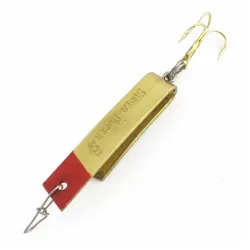
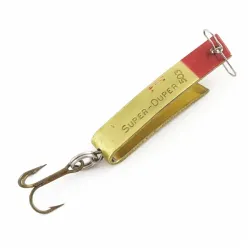
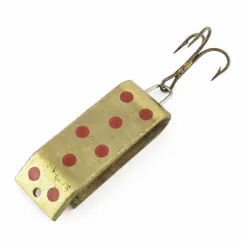
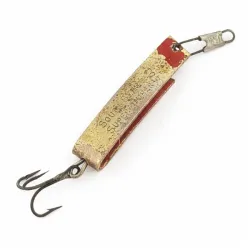
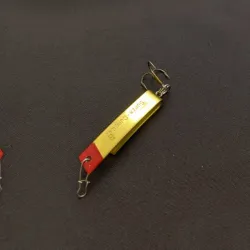
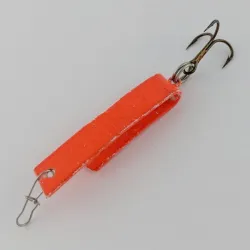
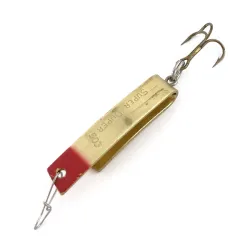
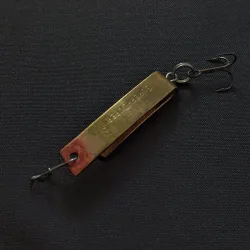
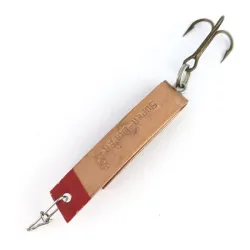
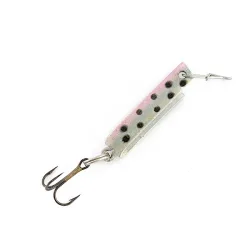
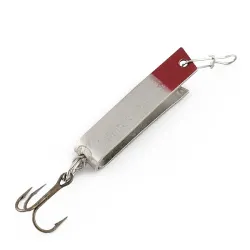
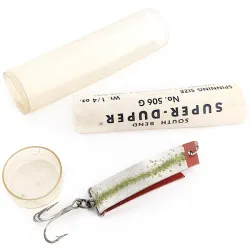
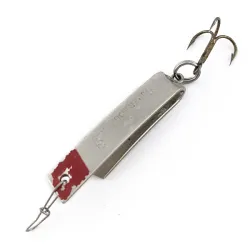
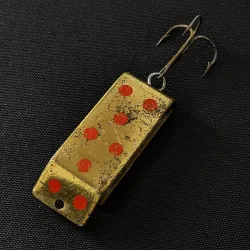
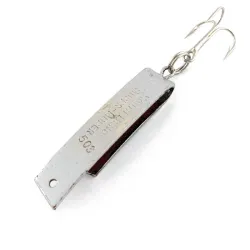
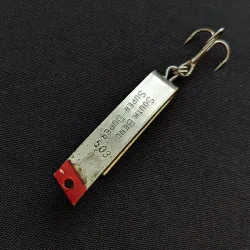
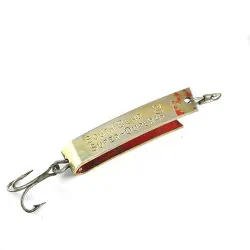
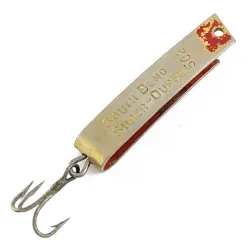
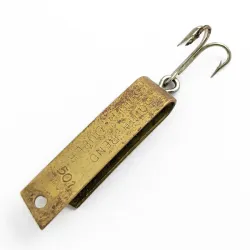
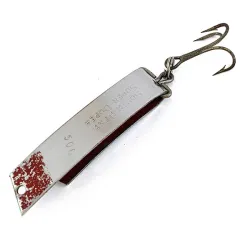
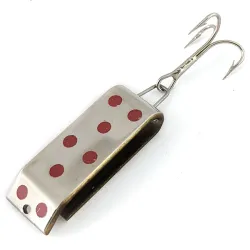
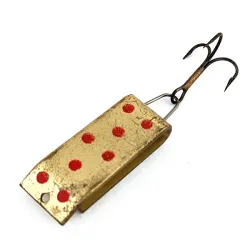
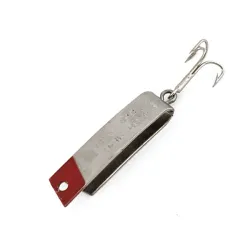
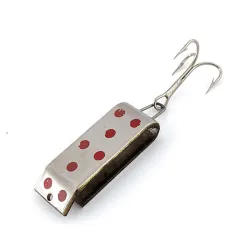
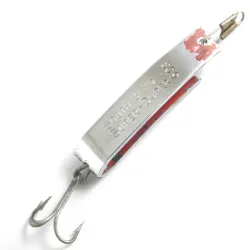
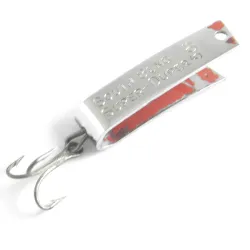
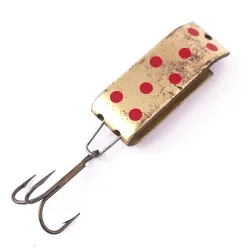
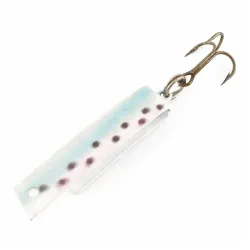
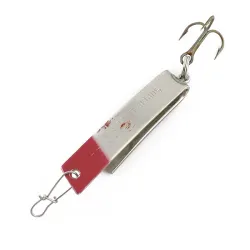
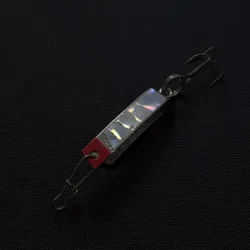
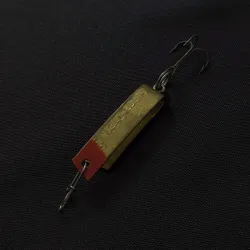
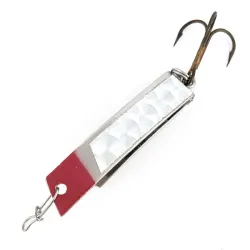
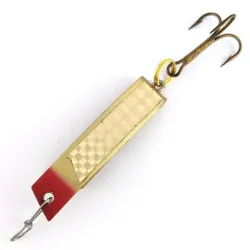
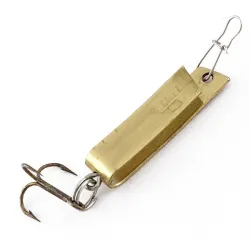
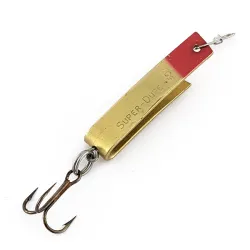
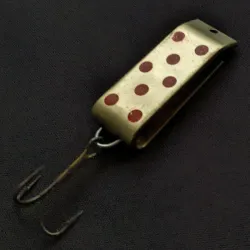
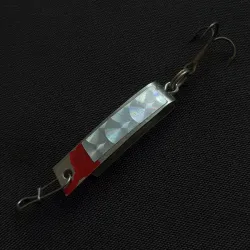
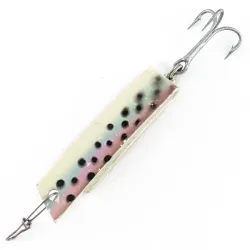
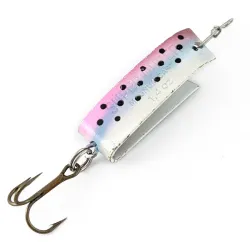
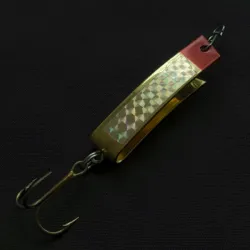
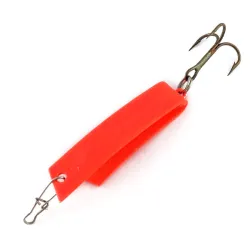
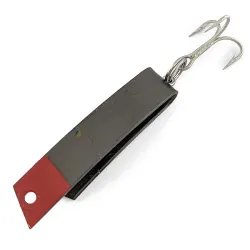
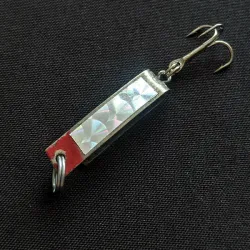
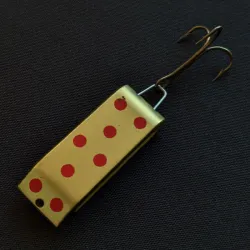
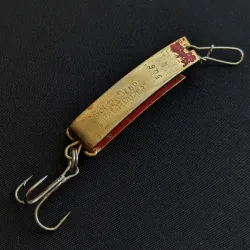
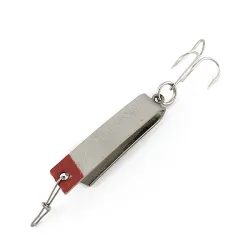
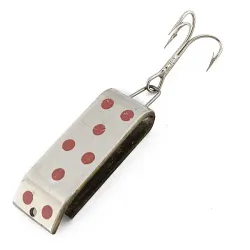
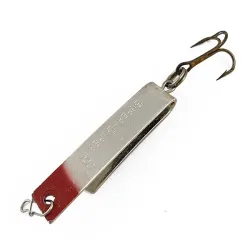
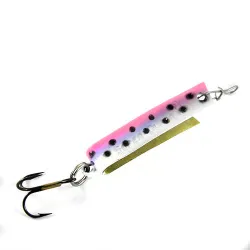
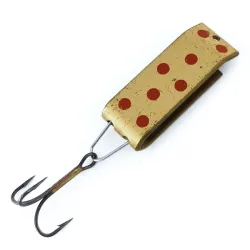
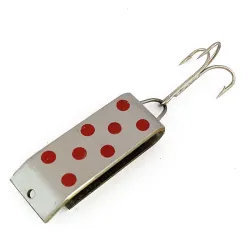
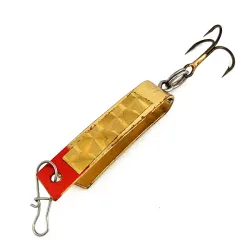
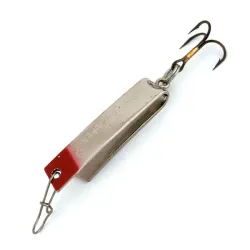
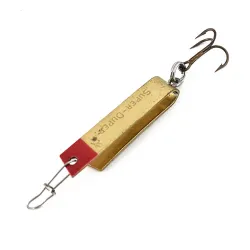
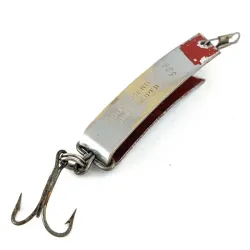
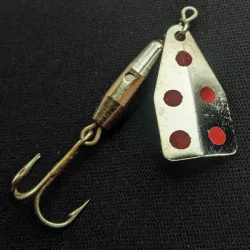
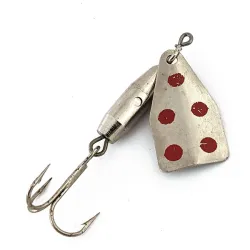
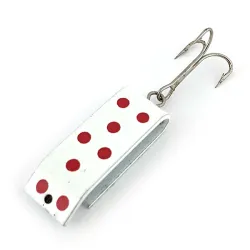
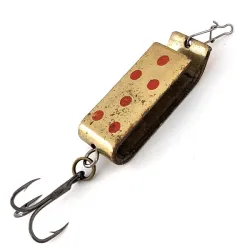
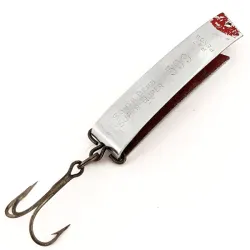
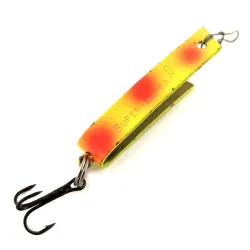
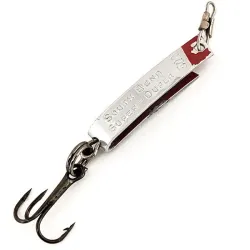
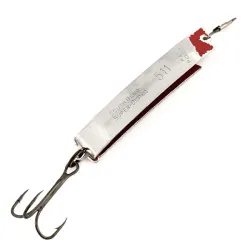
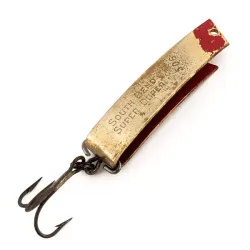
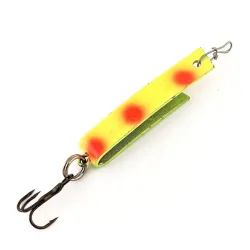
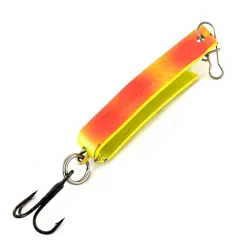
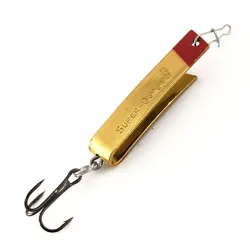
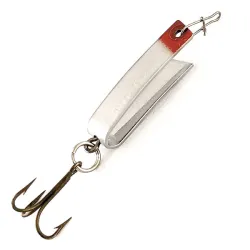
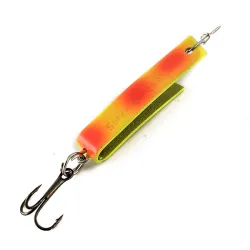
The Super-Duper stands out in any tackle collection due to its distinctive U-shaped, "bent plate" construction, a design that has remained a staple for anglers since its introduction in 1950. This metal lure operates as a mechanical hybrid, merging the erratic flash characteristic of a spoon with the rhythmic vibrations typically associated with a spinner. The specific geometry of the plate generates unique water displacement and light reflections throughout the retrieve.
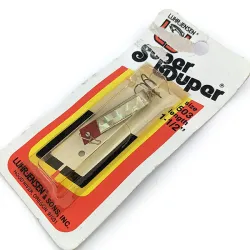
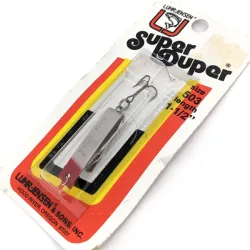
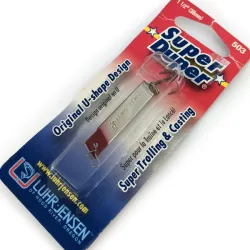
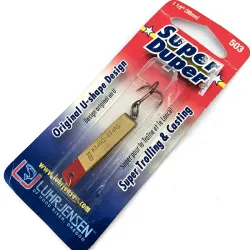
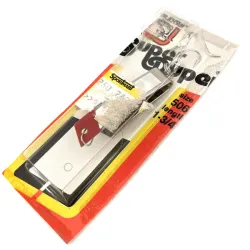
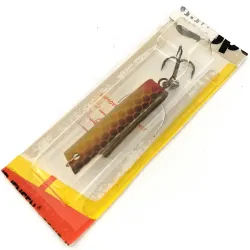
The lineage of this lure mirrors several significant shifts within the fishing tackle industry. Originally launched by the South Bend Bait Company, the brand and its production rights were eventually acquired by Luhr Jensen in 1990. The manufacturing history continued to evolve in 2005 when the Rapala VMC group absorbed Luhr Jensen, bringing this classic design under the umbrella of one of the world's largest tackle conglomerates.
Anglers frequently deploy this lure to target a specific range of freshwater species. It is notably effective for lake and rainbow trout, as well as char. Its utility extends beyond salmonids, as it is also used to trigger strikes from walleye, perch, and crappie. The versatility of the design allows it to remain relevant across various water conditions and seasonal patterns.
Presentation techniques for the Super-Duper are varied and depend on the specific fishing scenario. When casting, a steady retrieve punctuated by periodic pauses is often recommended to maximize the lure's action. For those covering expansive water, it maintains its stability during low-speed trolling behind a boat. Furthermore, the lure's movement makes it suitable for vertical jigging, a technique often utilized in ice fishing or when fishing directly from a boat, where vertical rod snaps activate the plate's flutter.