Dick Nite
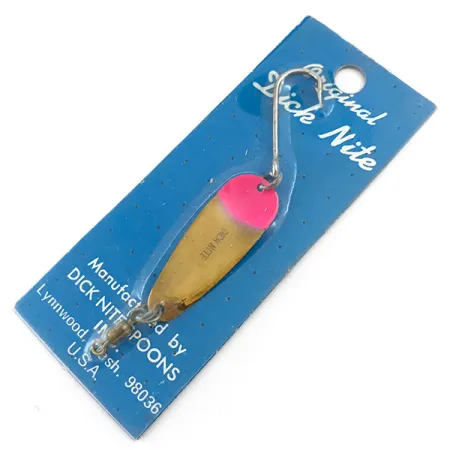
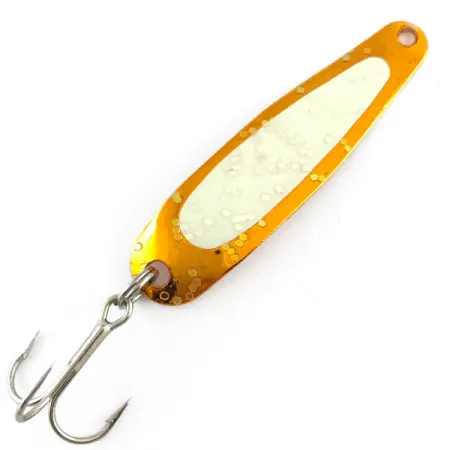
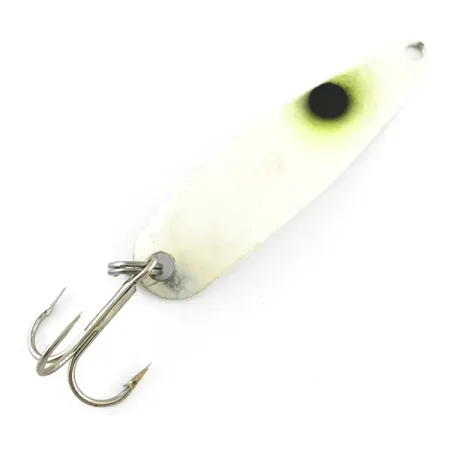
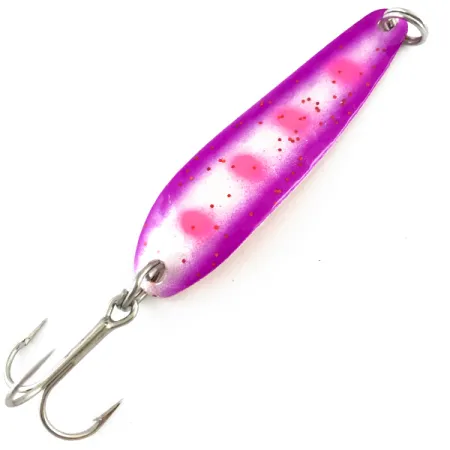
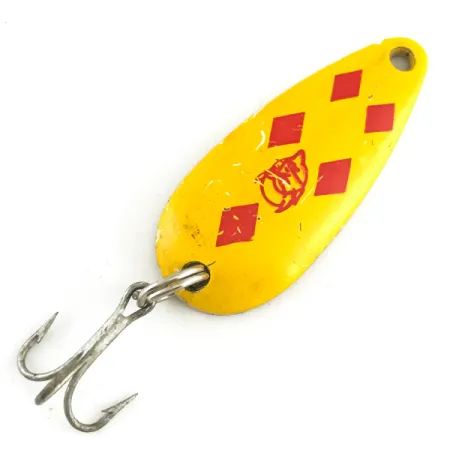
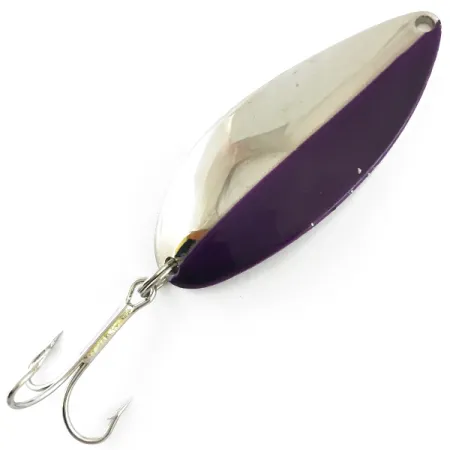
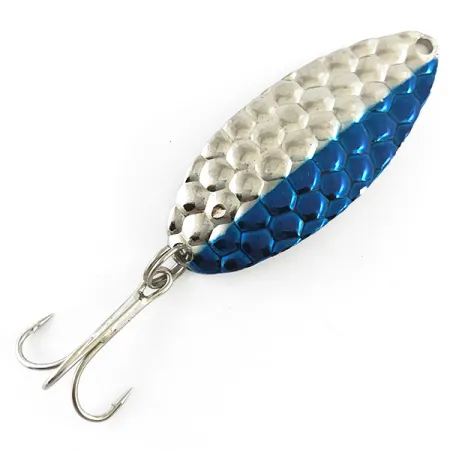
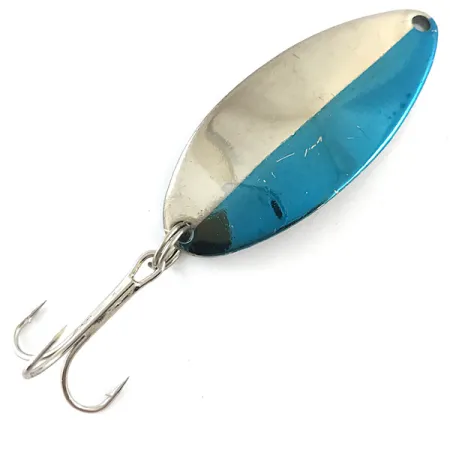
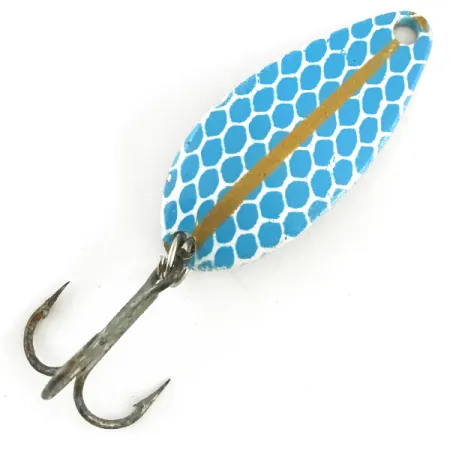
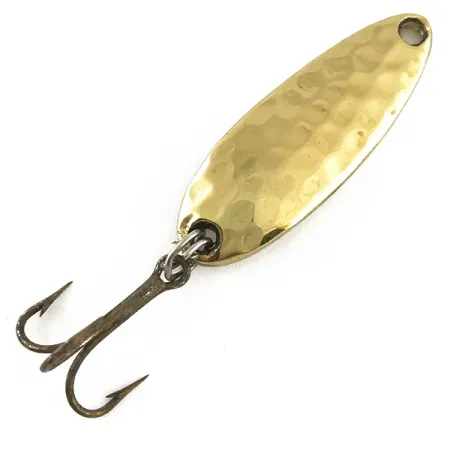
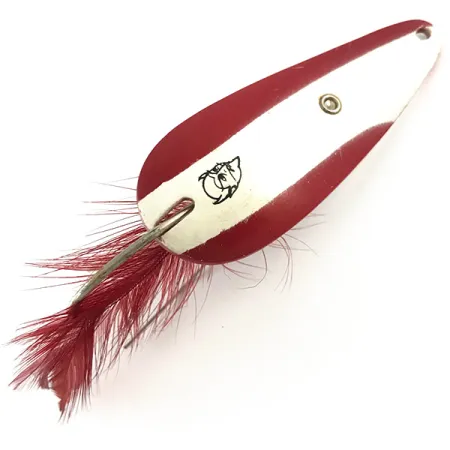
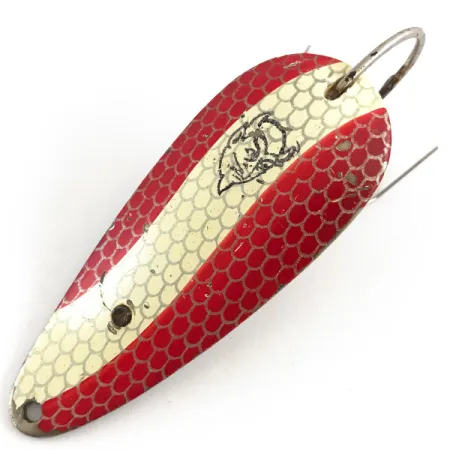
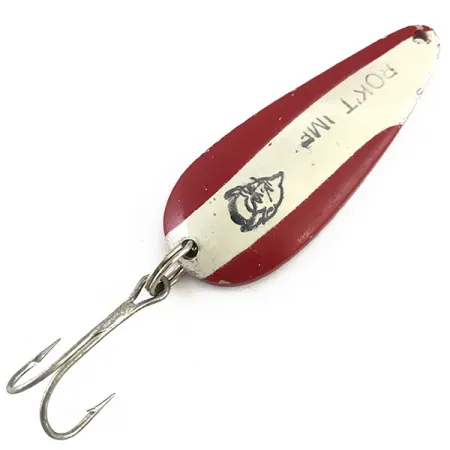
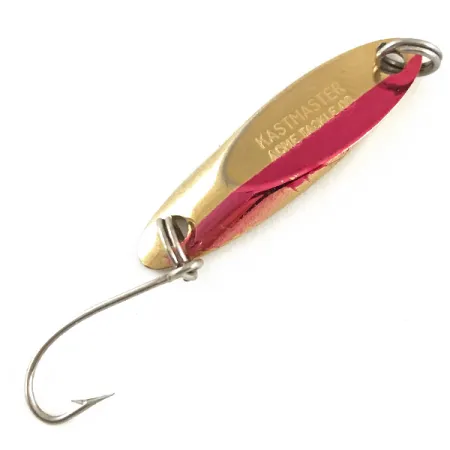
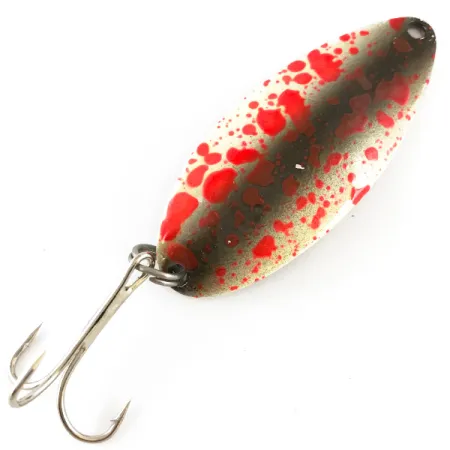
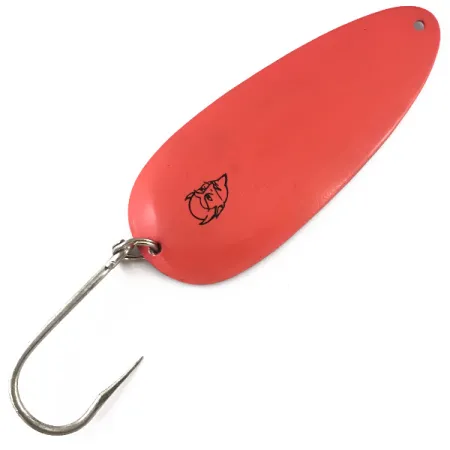
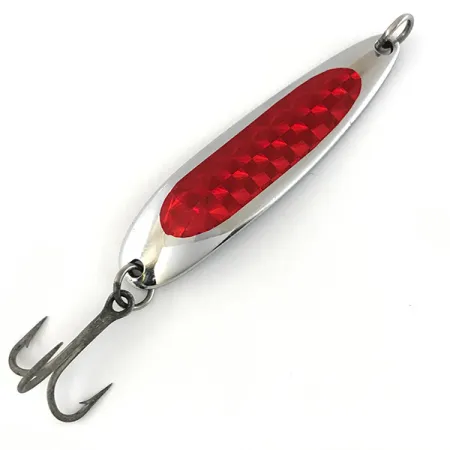
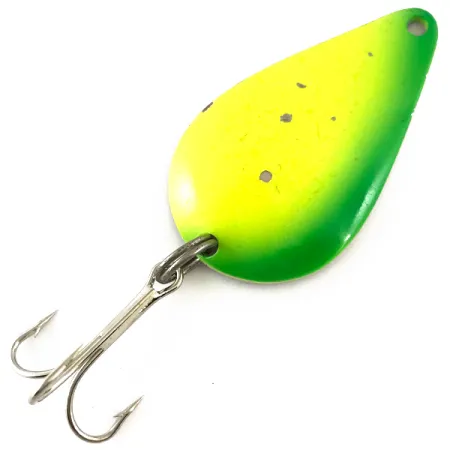
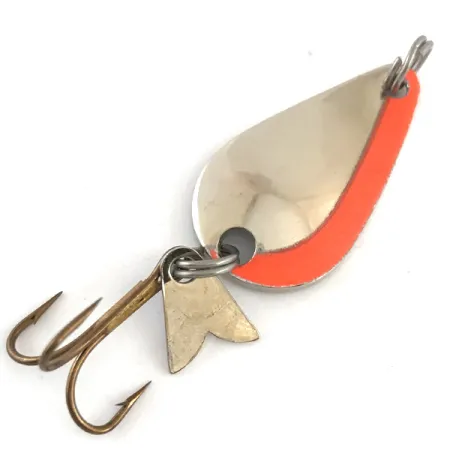
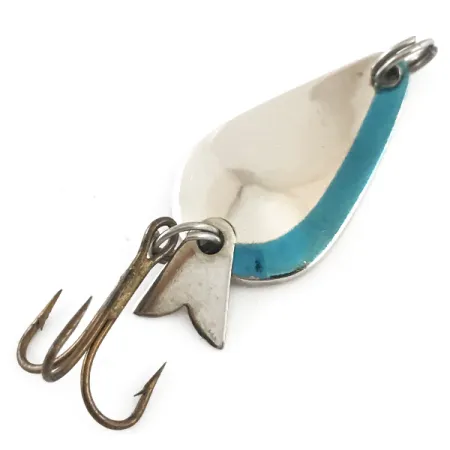
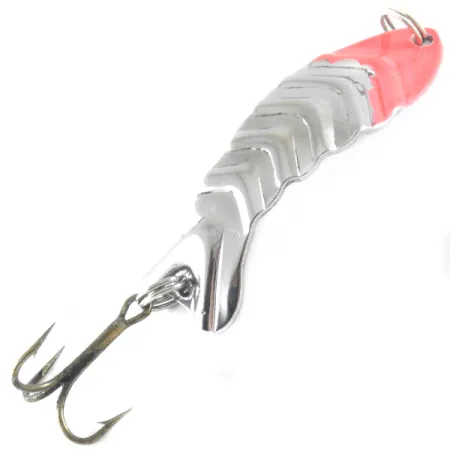
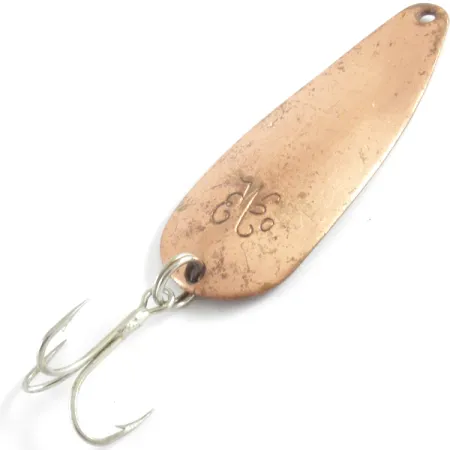
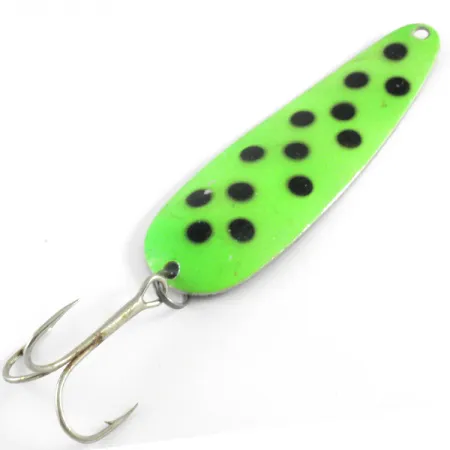
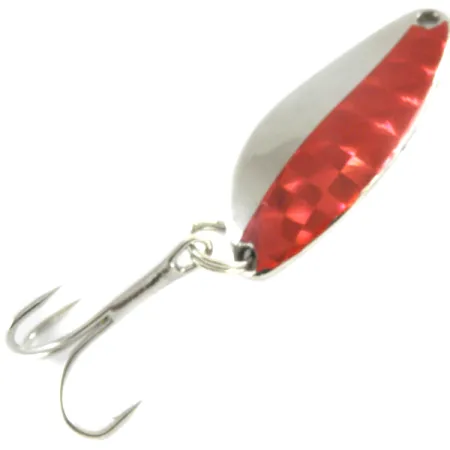
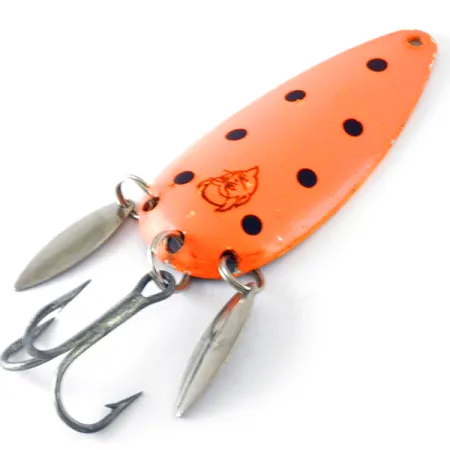
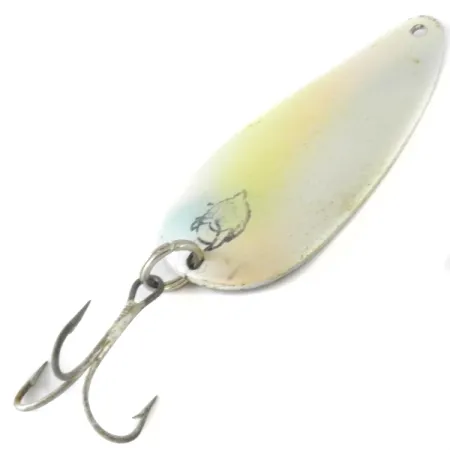
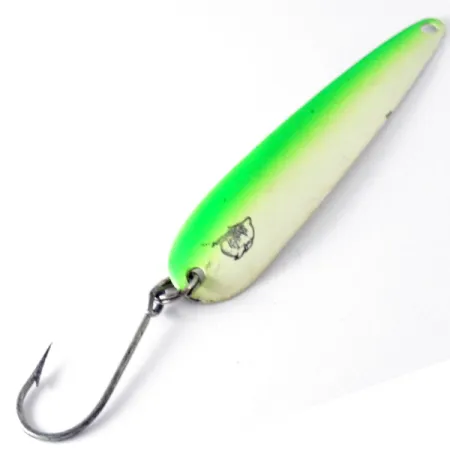
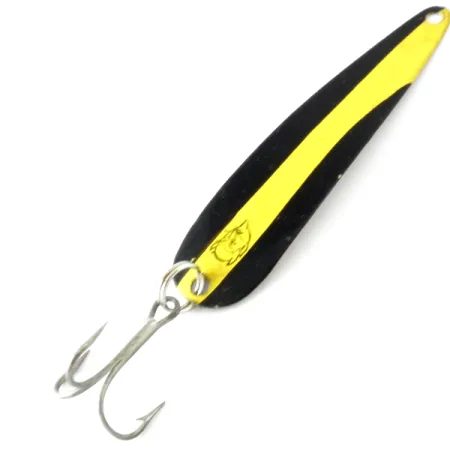
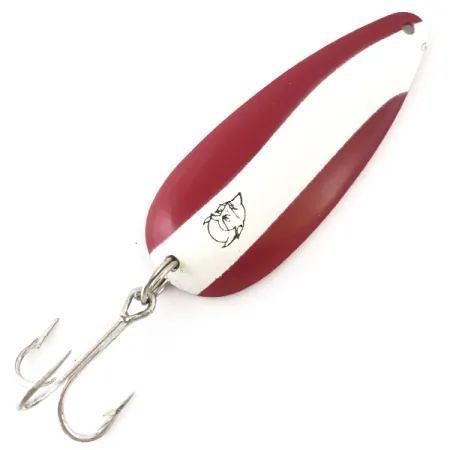
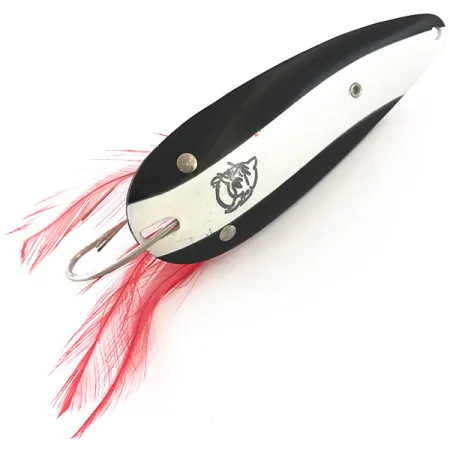
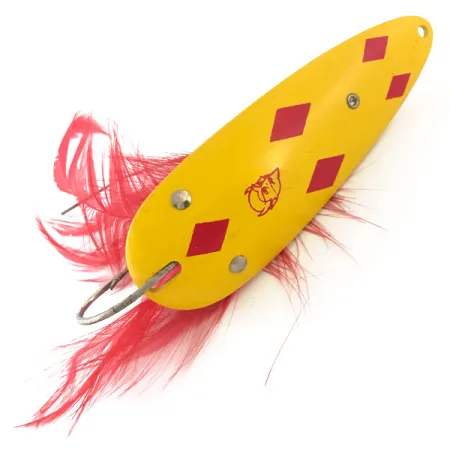
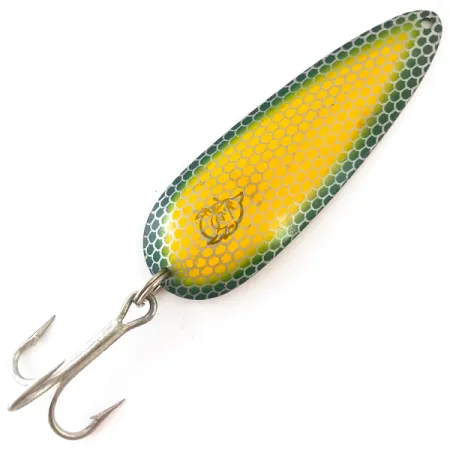
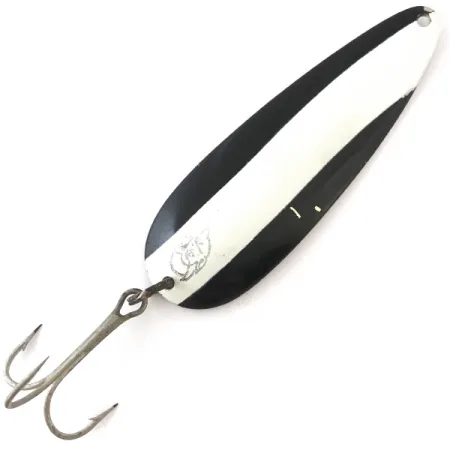
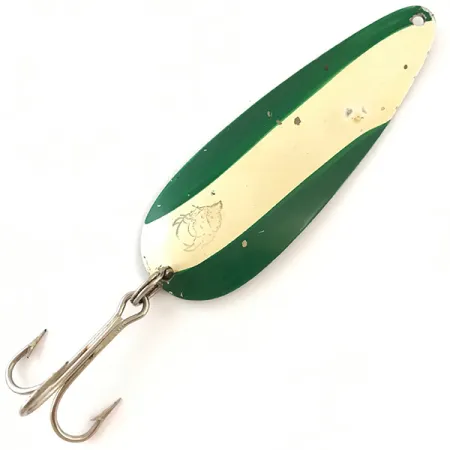
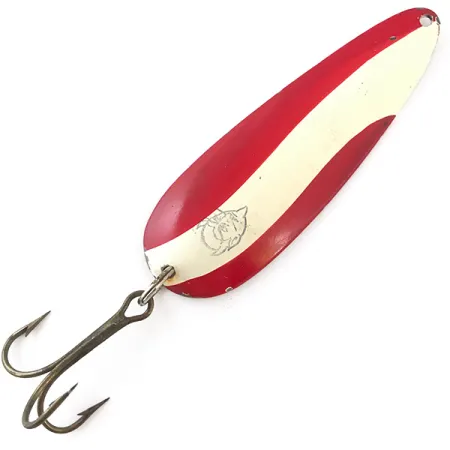
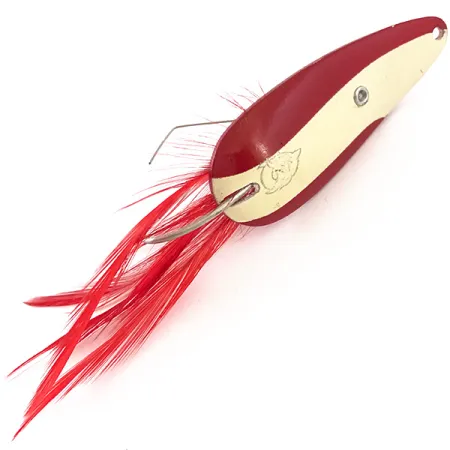
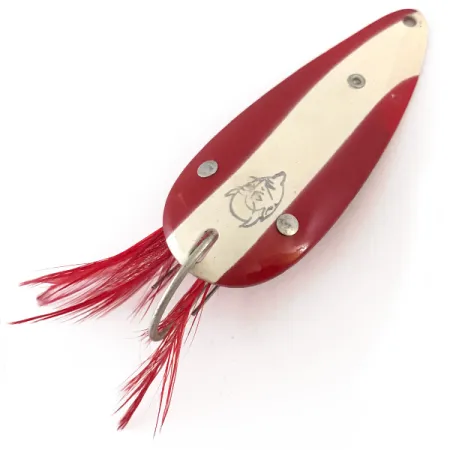
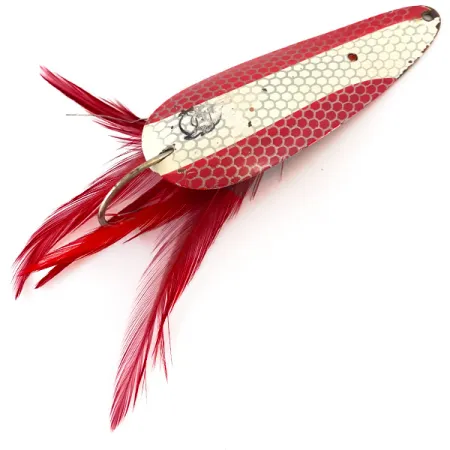
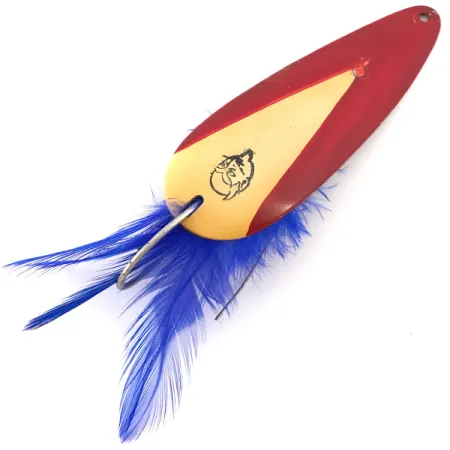
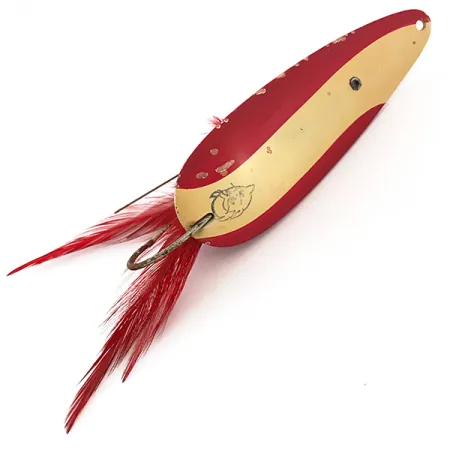
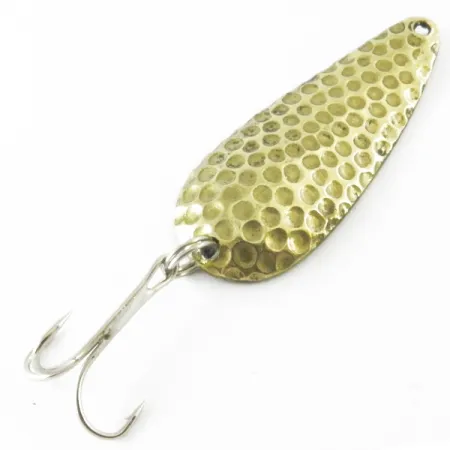
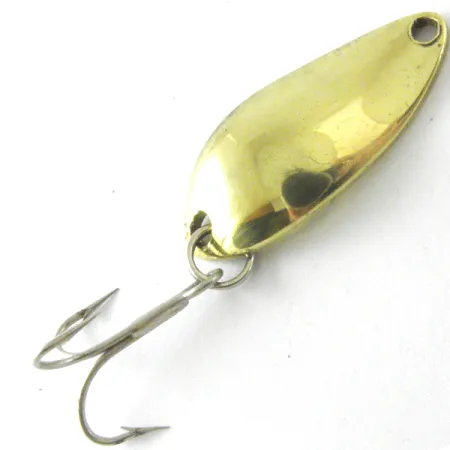
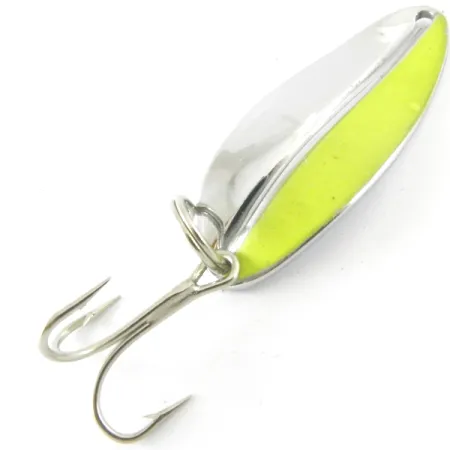
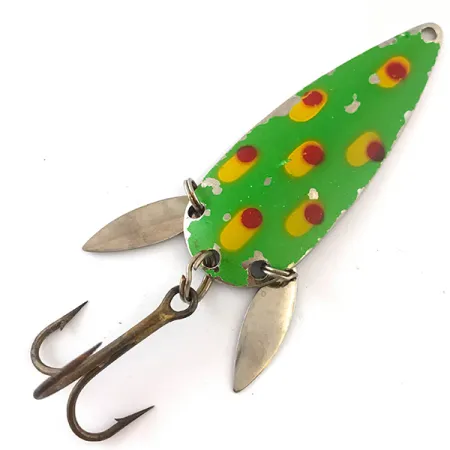
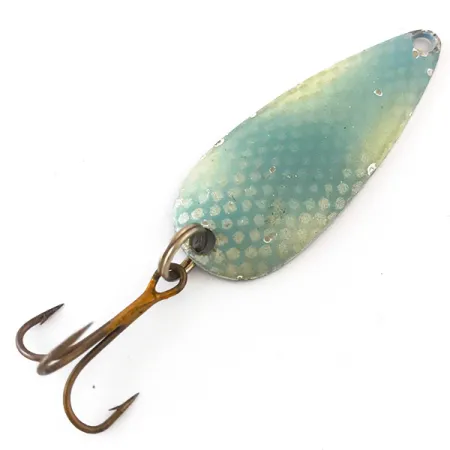
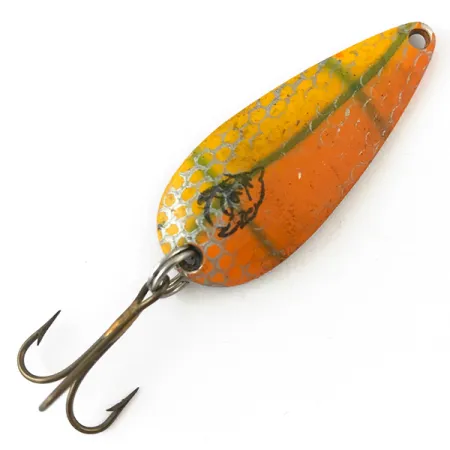
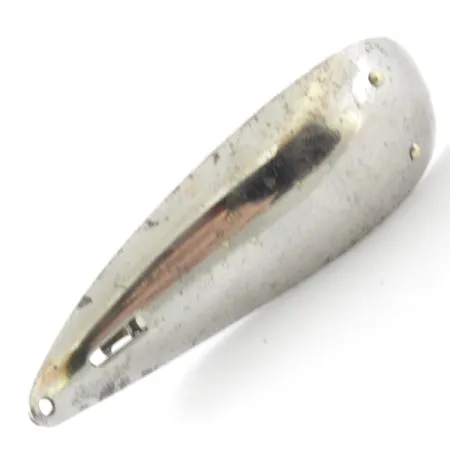
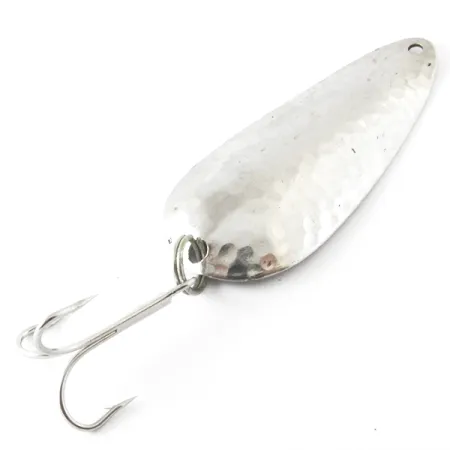
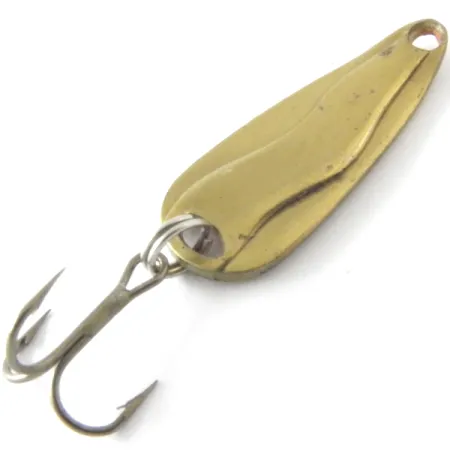
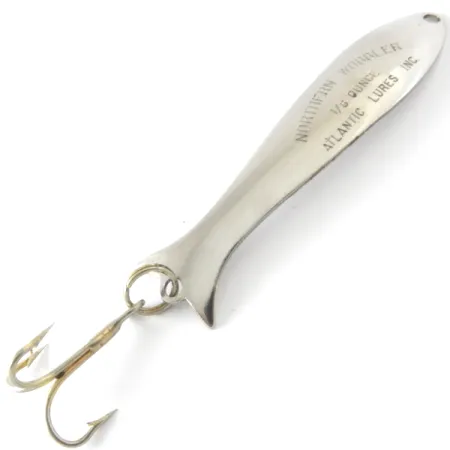
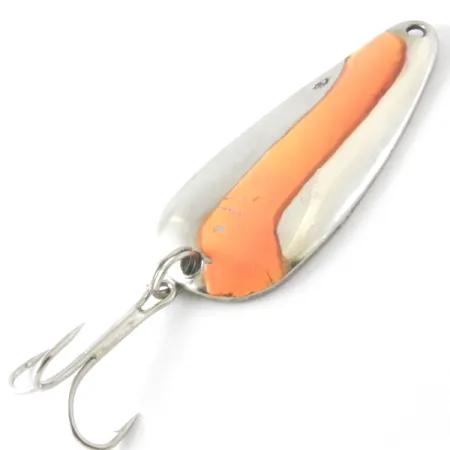
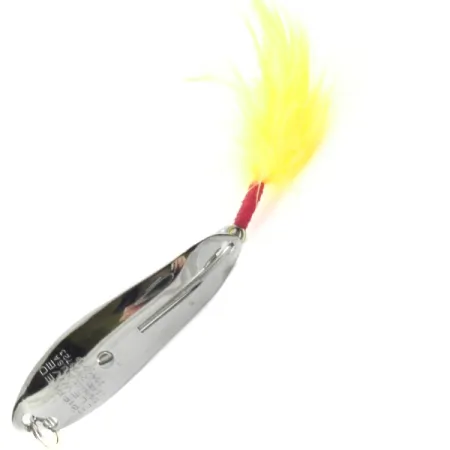
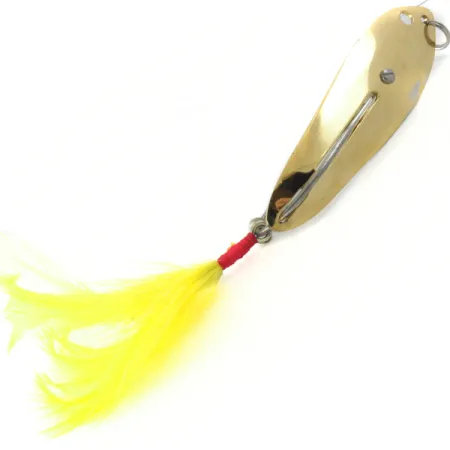
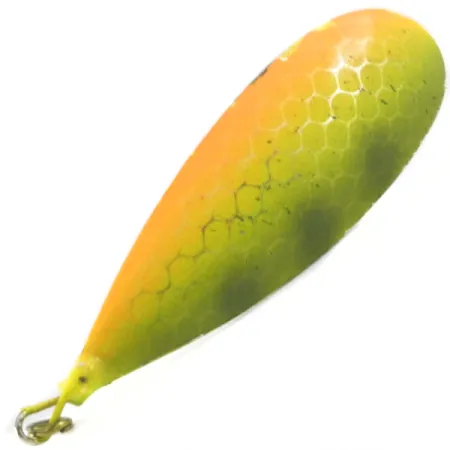
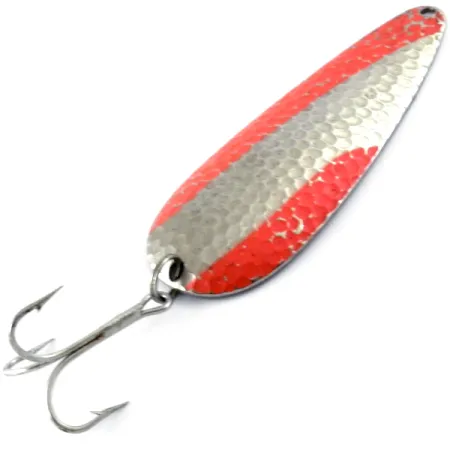
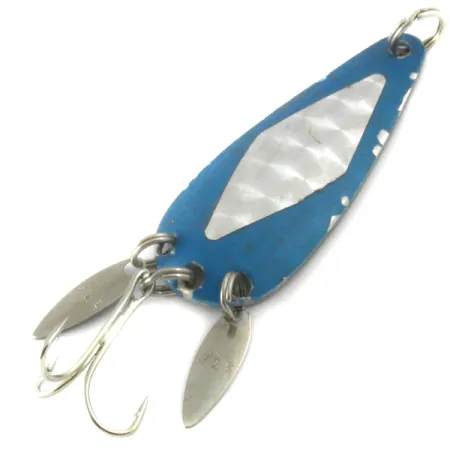
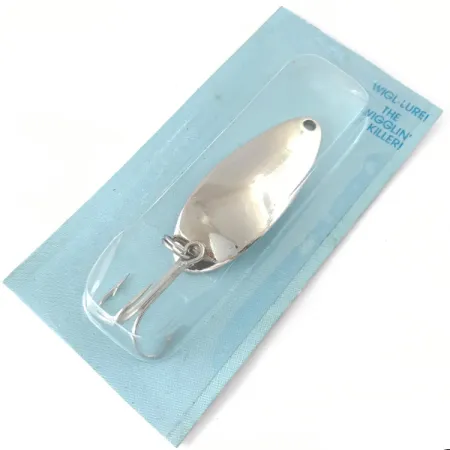
The Dick Nite spoon, a staple originating from Lake Stevens, Washington, traces its history back to the 1940s. Developed by Dick Nite himself, this lure was engineered to deliver an intense action even at the lowest retrieval speeds, a characteristic vital for targeting salmonids in moving water. The secret lies in its construction from thin sheet brass, fashioned into a narrow S-curve. This specific geometry allows the spoon to initiate its movement instantly, producing chaotic oscillations that mimic the erratic swimming of a wounded baitfish.
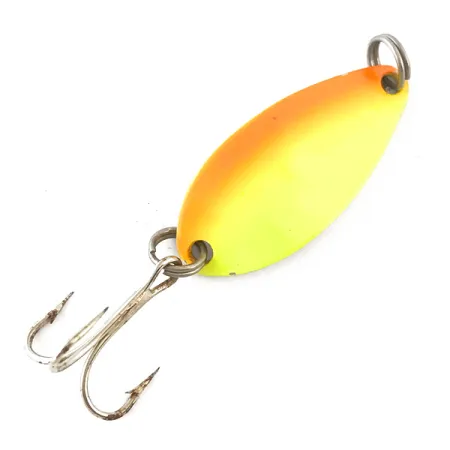
The lineup is built around three distinct sizes to cover various water conditions and target species. The #0, known as the Tiny model, serves the ultralight enthusiast and is effective for ice fishing applications. The #1 Small size remains a versatile choice for trout across most environments, while the #2 Standard is the primary tool for those pursuing salmon and larger trout specimens. Because they are manufactured from thin metal, these spoons are inherently lightweight, which dictates specific technical approaches for effective casting and depth control.
Mastering the Dick Nite requires an understanding of specialized delivery systems to overcome its minimal mass. In river systems, drift fishing is a common method, employing a Tyrolean stick or a weight on a 1 to 1.5-meter leader. In this setup, the current provides the kinetic energy needed to animate the lure while the weight maintains proximity to the bottom. For lake applications, trolling behind a flasher or diver is a standard technique; the flasher’s vibrations transfer to the light spoon, causing it to dart unpredictably. Shore-based anglers often utilize a transparent sbiurulino, or bombarda, float to propel these lures 40 to 50 meters.
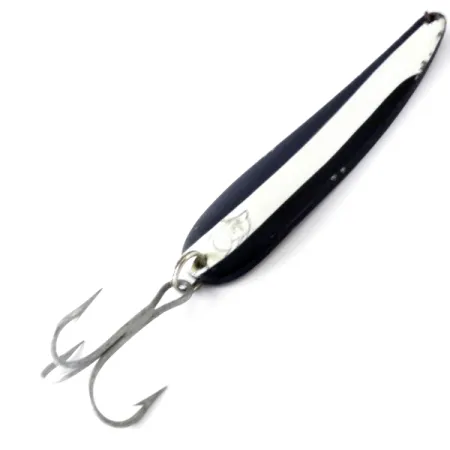
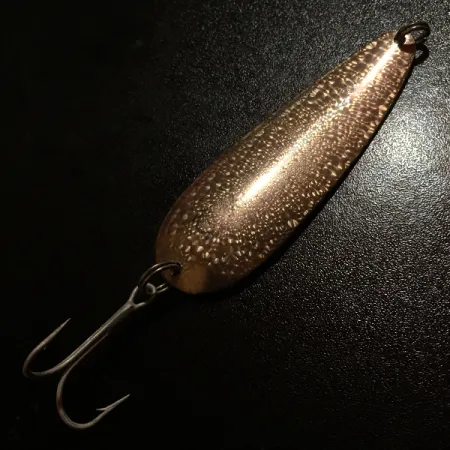
The versatility of this design extends across various species and environments, from freshwater streams to coastal waters. While primarily targeting rainbow and brown trout, larger sizes are frequently used in rivers for Coho and Chinook salmon. In saltwater, the lures are effective for garfish and herring when fished with a bombarda, while perch and chub are targeted in riffles or still water. The spoons feature a saltwater-resistant finish, with the 50/50 half-silver and half-gold or copper pattern being a preferred choice for its ability to maintain visibility under diverse lighting conditions.