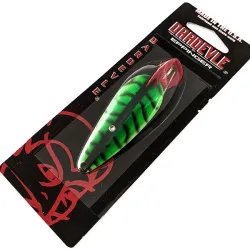
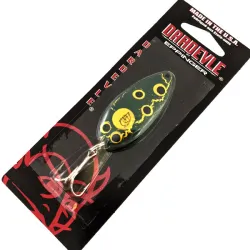
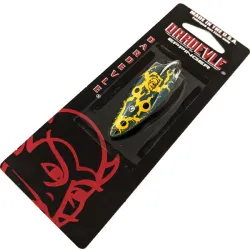
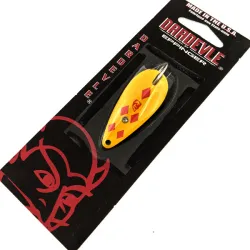
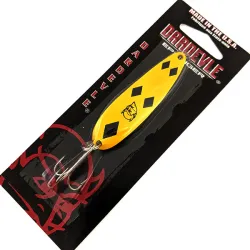
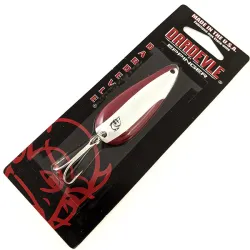
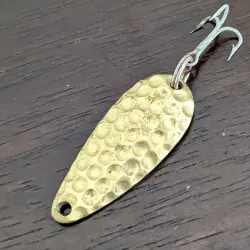
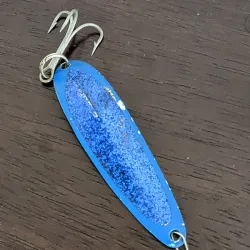
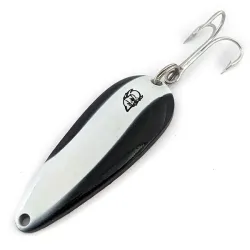
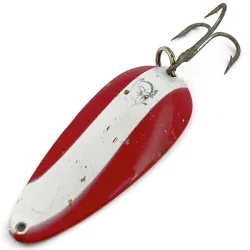
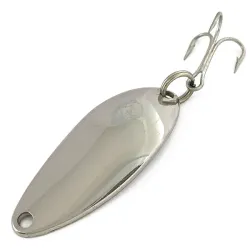
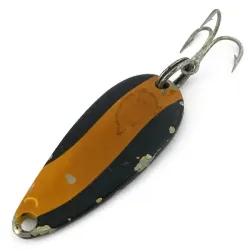
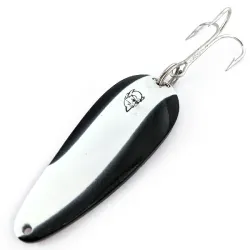
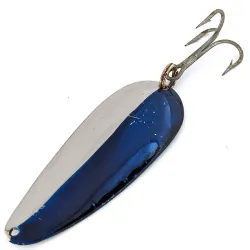
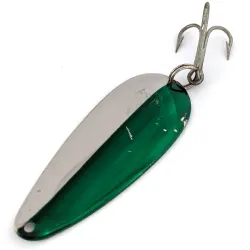
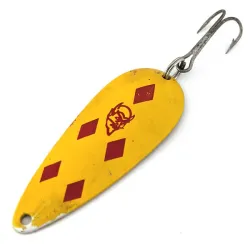
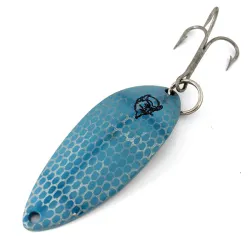
Eppinger — Development of the Dardevle Spoon

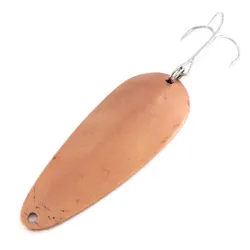
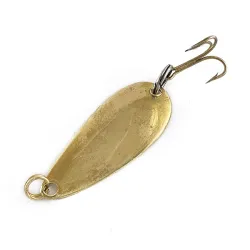
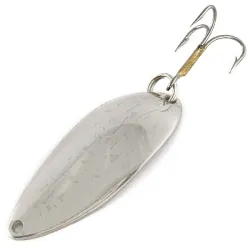
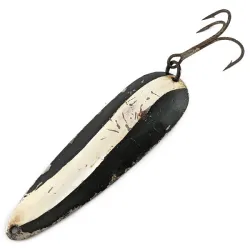
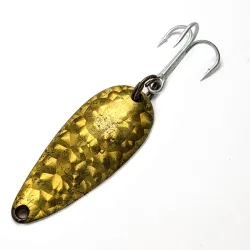
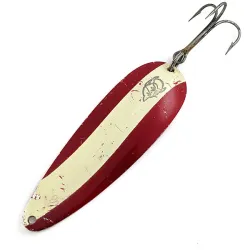
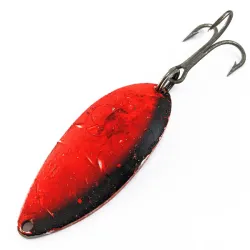
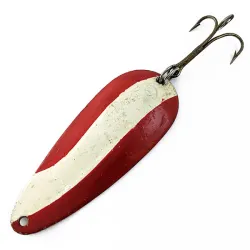
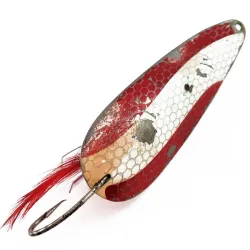
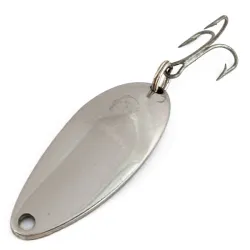
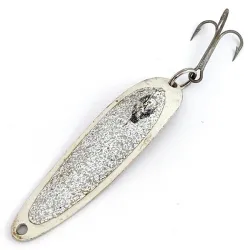
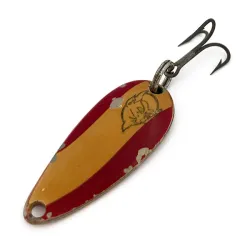
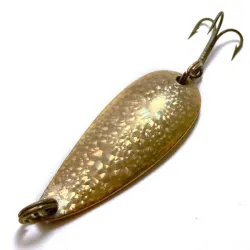
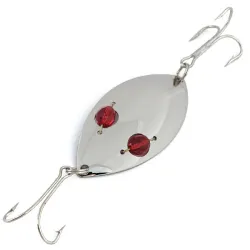
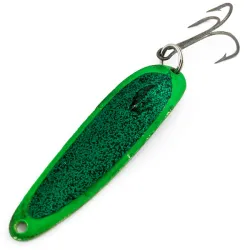
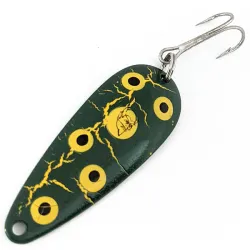
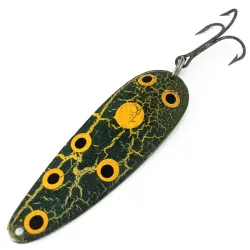
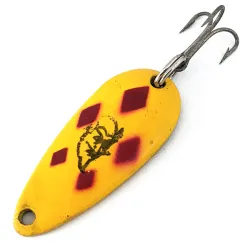
The foundation of the Eppinger company traces back to 1906. Lou Eppinger spent a month in the Ontario wilderness, utilizing a self-created spoon that weighed two ounces. The metal of this lure was hammered thinner in the middle and thicker at the edges, a design choice that produced a specific action: the lure would swing from side to side and nearly flip over but always righted itself.
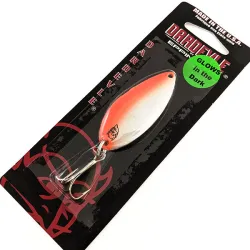
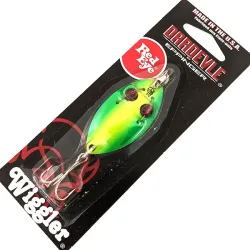
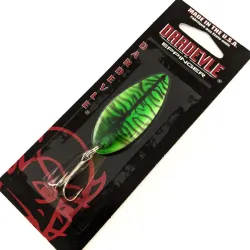
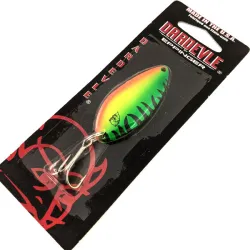
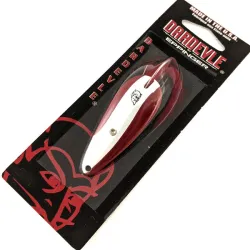
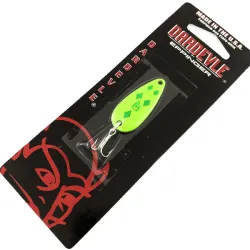
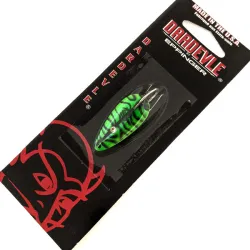
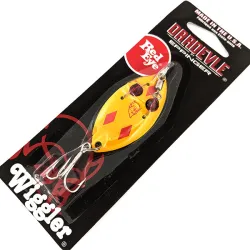
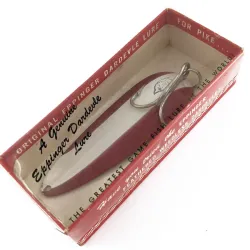
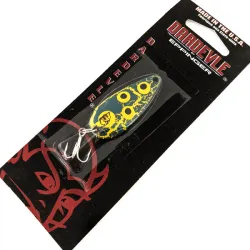
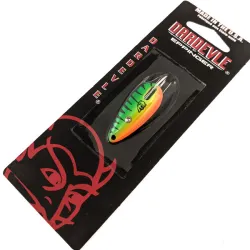
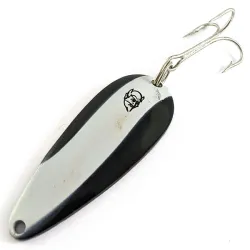
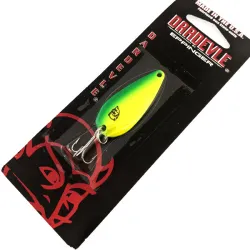
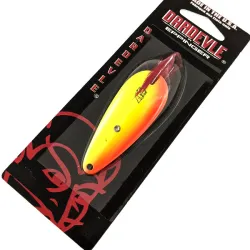
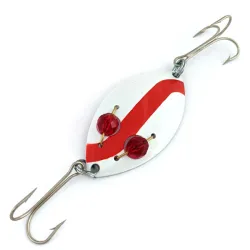
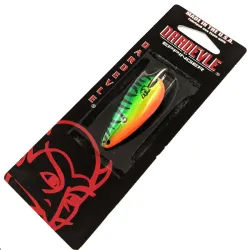
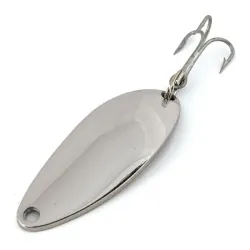
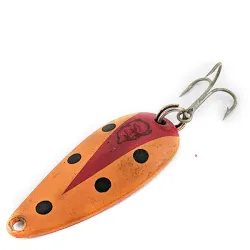
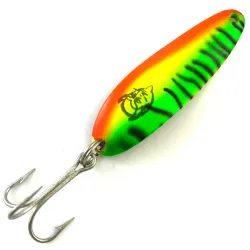
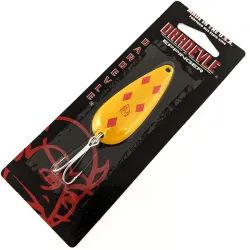
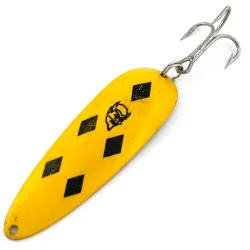
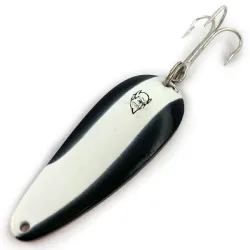
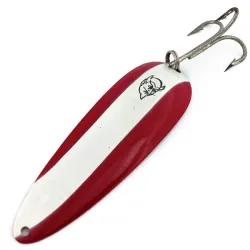
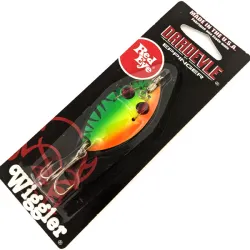
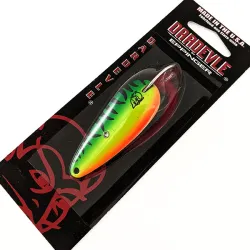
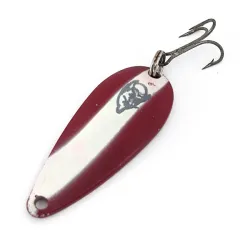
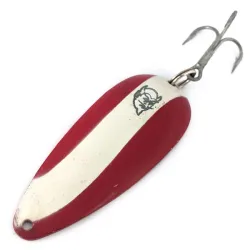
In 1912, the prototype was released as a finished product under the name Osprey. This spoon was used frequently for pike fishing in the Midwest. In 1918, Lou's nephew, Ed Eppinger, joined the company, and they chose to rename the Osprey to the Dardevle. This name was derived from "Teufelhunden," the nickname given to the 4th Marine Brigade by German soldiers during the Battle of Belleau Woods, which translated to "Devil Dogs" or "Dare Devils."
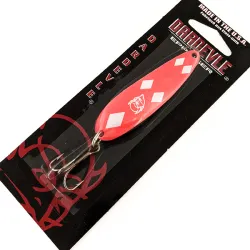
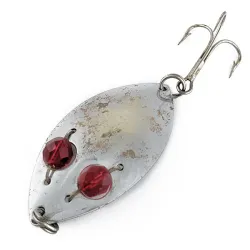
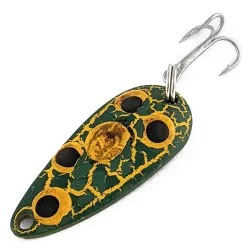
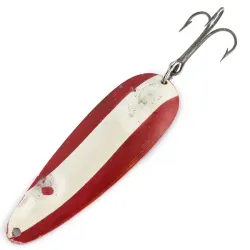
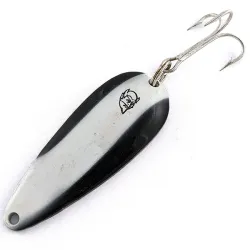
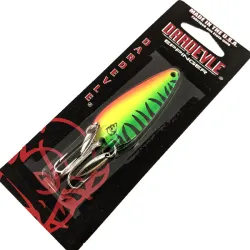
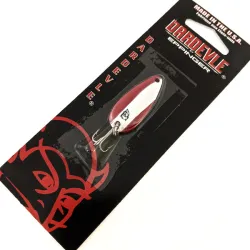
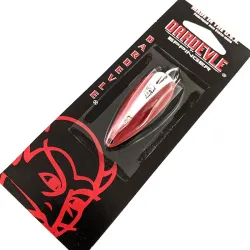
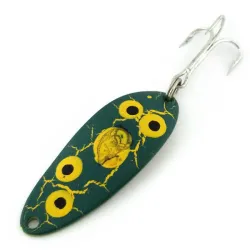
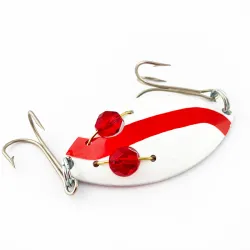
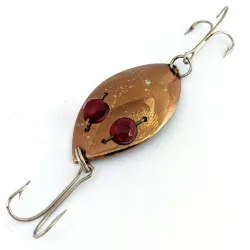
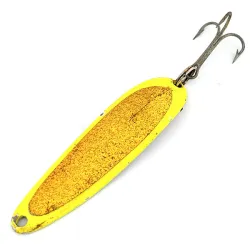
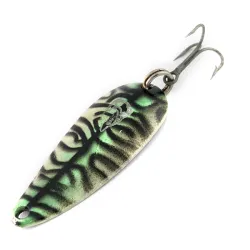
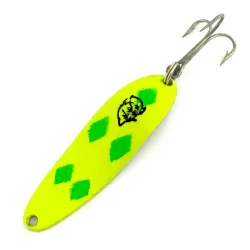
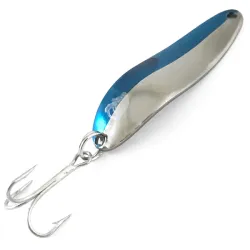
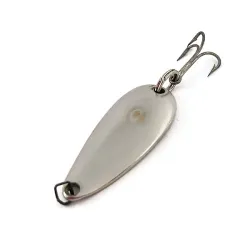
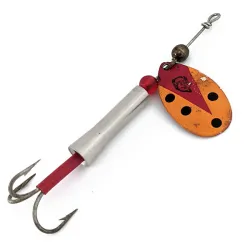
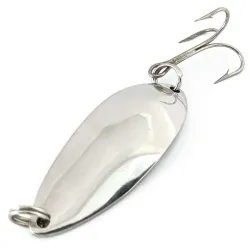
The company transitioned from producing 500 lures annually to an international scale. The original spoon design led to a broader family of lures. Among the documented offerings, the inventory has included over 16,000 different sizes, shapes, and color patterns to meet various fishing requirements.