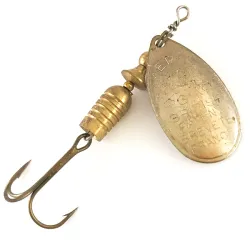
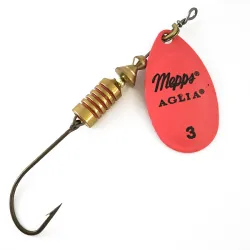
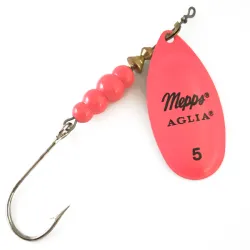
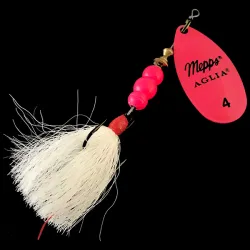
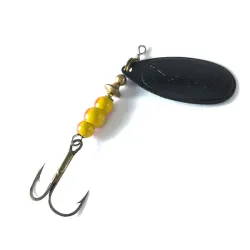
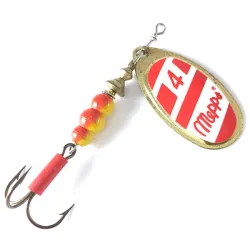
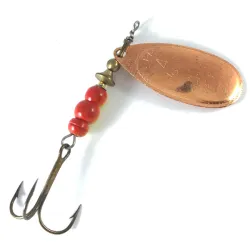
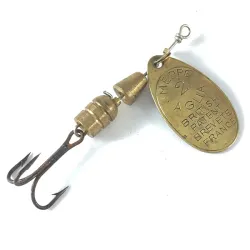
Mepps Aglia
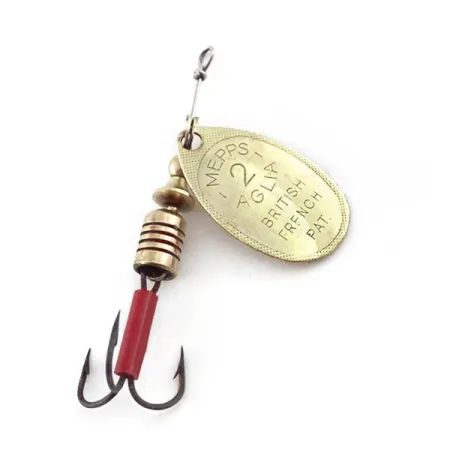
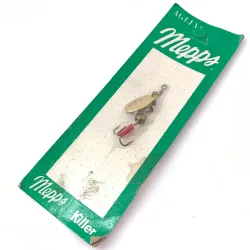
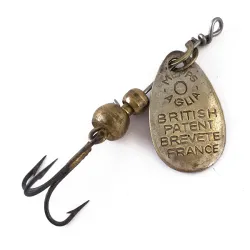
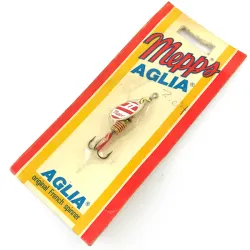
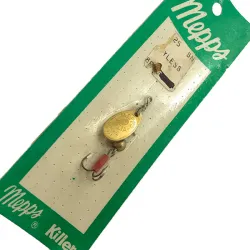
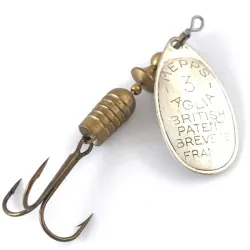
The origin and legacy of the Mepps Aglia. The history of this classic spinner began in 1938 in France, designed by engineer André Meulnart, who developed the mechanism concept that became the basis for the traditional spinner. A new chapter opened in the 1960s when the lure gained mass popularity in the United States, after Todd Sheldon started importing and selling these French spinners in Wisconsin. According to global record statistics, the Mepps Aglia has accounted for more record-sized fish than any other artificial lure in angling history.
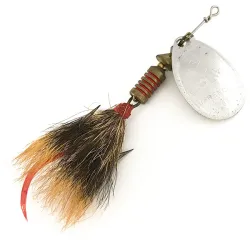
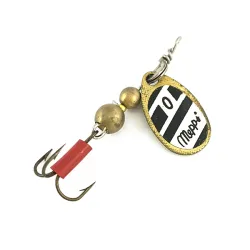
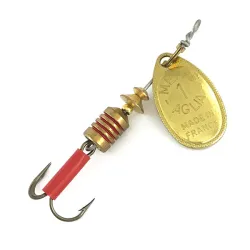
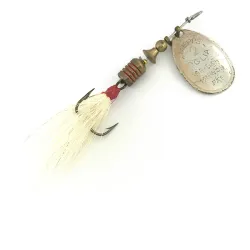
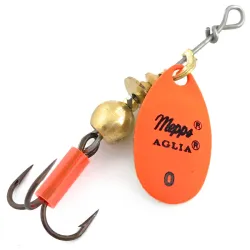
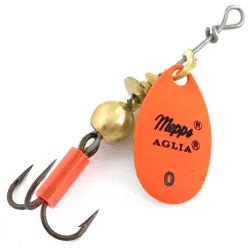
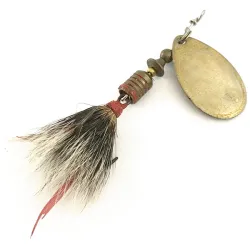
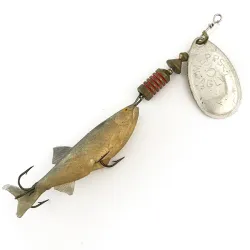
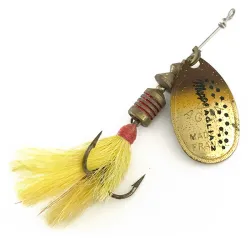
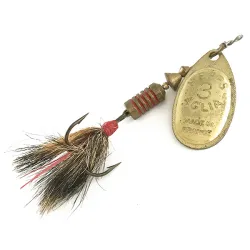
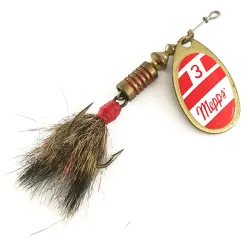
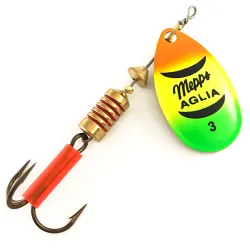
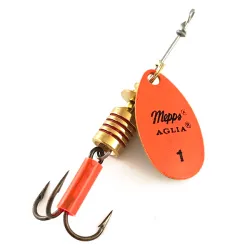
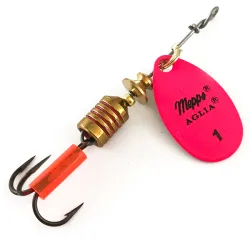
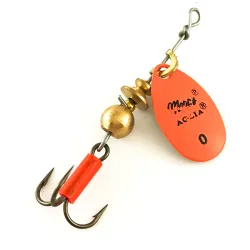
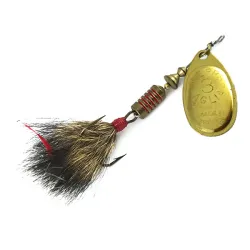
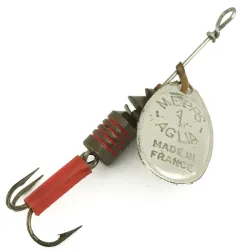
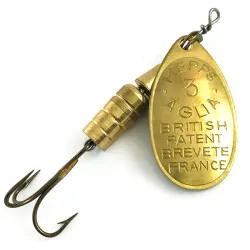
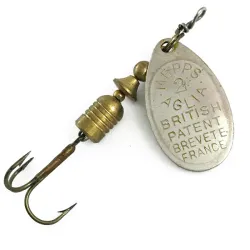
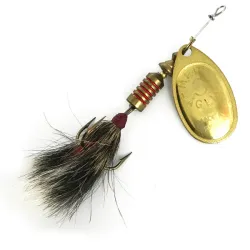
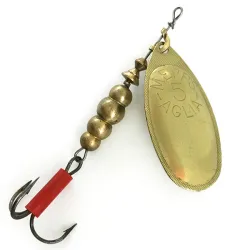
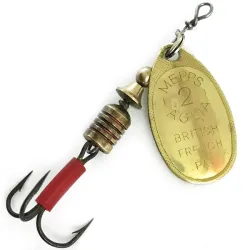
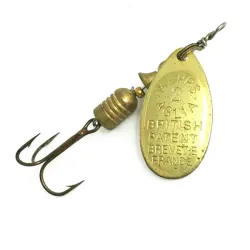
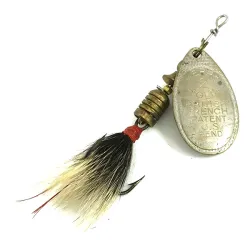
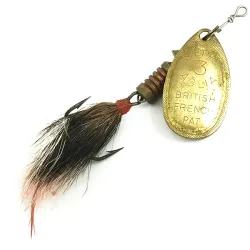
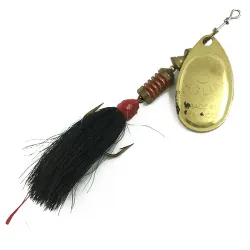
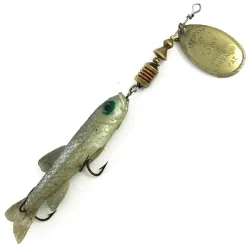
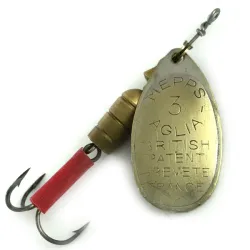
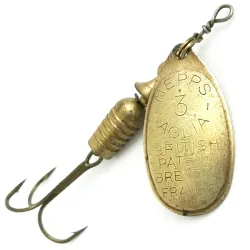
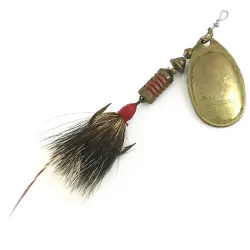
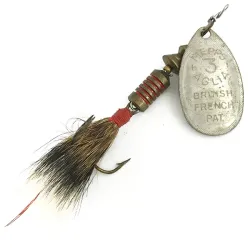
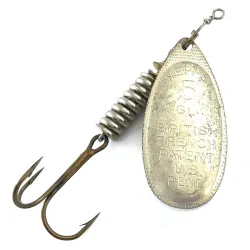
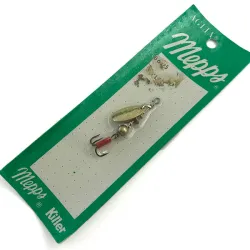
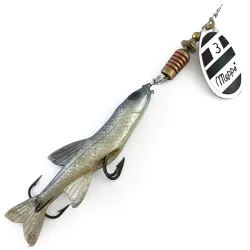
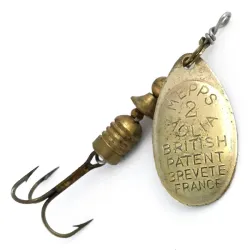
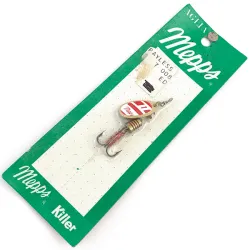
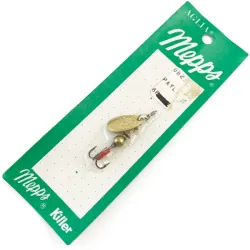
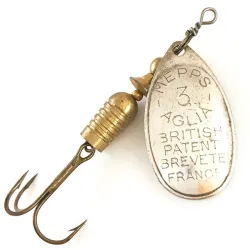
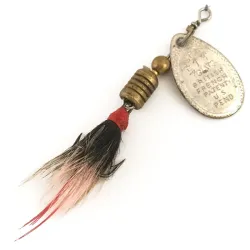
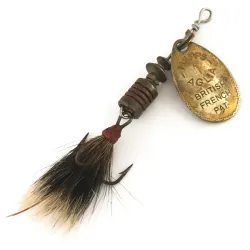
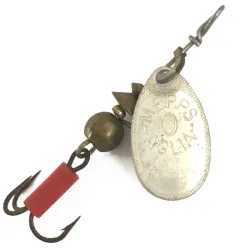
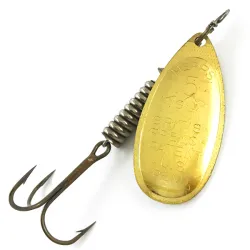
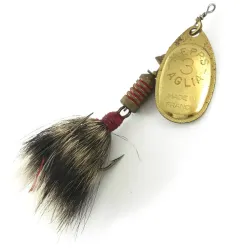
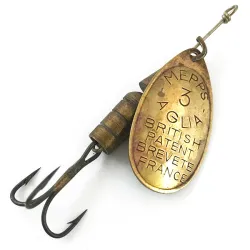
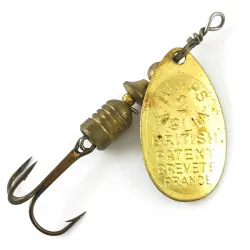
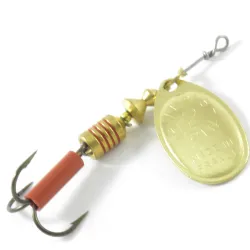
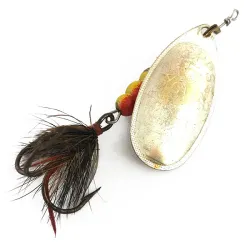
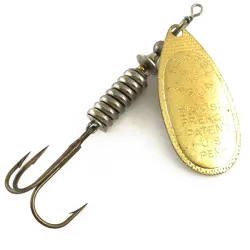
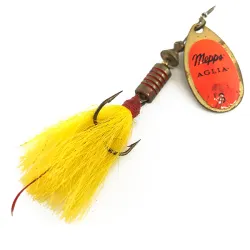
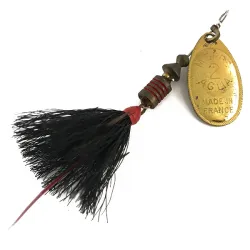
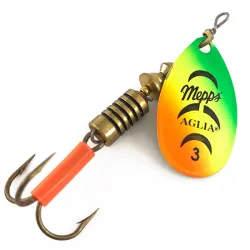
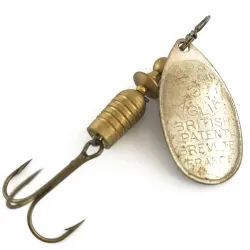
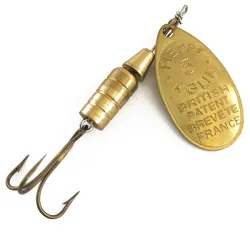
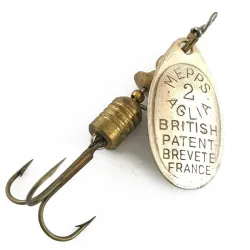
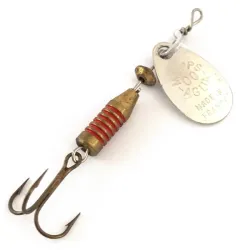
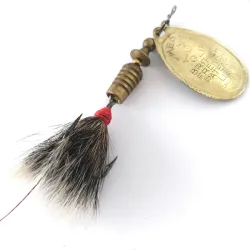
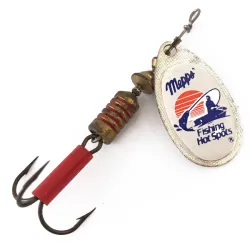
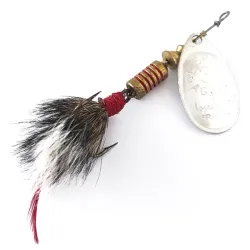
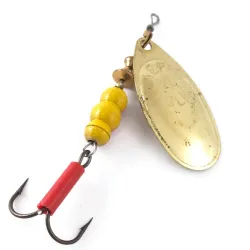
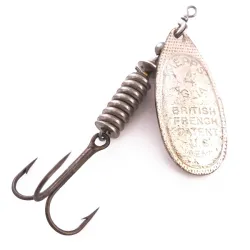
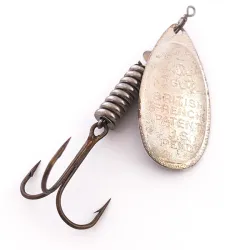
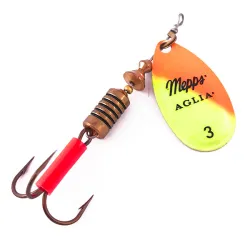
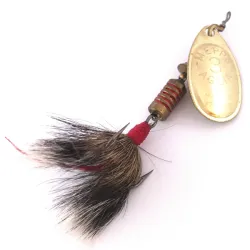
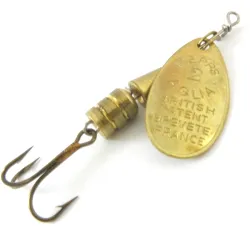
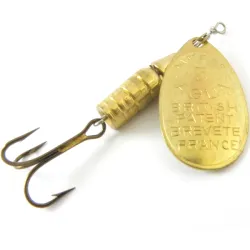
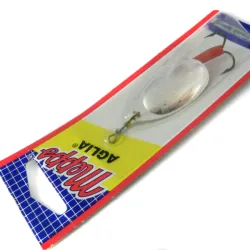
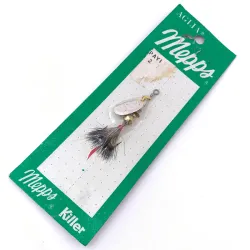
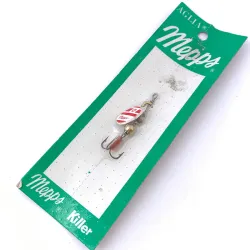
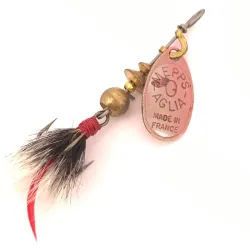
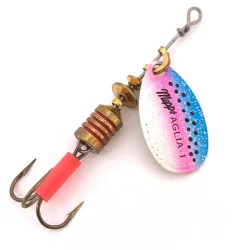
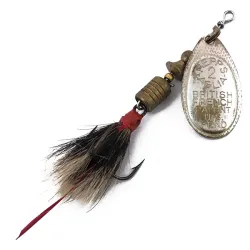
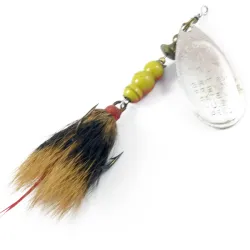
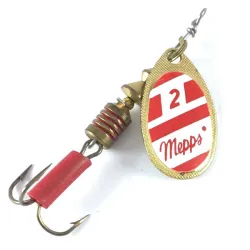
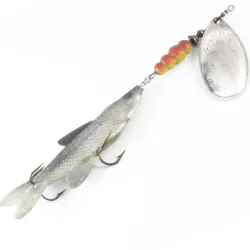
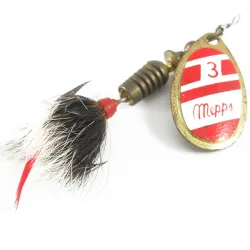
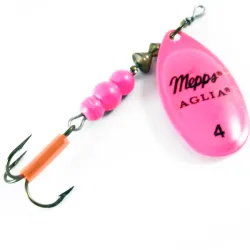
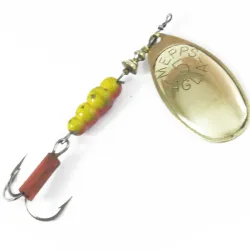
Engineering and design specifics. The stable performance of the spinner relies on calculated hydrodynamic properties. Its wide blade is designed to initiate smooth rotation immediately upon entering the water, creating significant frontal resistance during retrieval. The cone rotation system utilizes a sleeve bearing assembly that adapts to the pressure of the oncoming current or the speed of the line retrieval, preventing the blade from stalling. The rotation of this wide blade produces low-frequency vibrations that fish can detect through their lateral lines from a distance. Certain configurations include a fly tied with natural squirrel hair, bucktail, and turkey feather fragments, which stabilizes the lure’s path, adds micro-vibrations, and conceals the hook.
Target species and presentation. While the spinner is straightforward enough for beginners to learn spin fishing, its full potential is realized in the hands of experienced anglers. Due to a broad size range, the lure is highly versatile. While frequently associated with trout fishing, it is also used to target perch and crappie in its smaller sizes, as well as walleye, and pike when using larger blade numbers. The primary tactical advantage of the Aglia is its ability to function at the slowest possible retrieval speeds. Thanks to the cone system and the wide blade shape, it maintains steady rotation even during ultra-slow presentations, making it effective for generating strong vibrational signals in the water column in both still waters and flowing river currents.