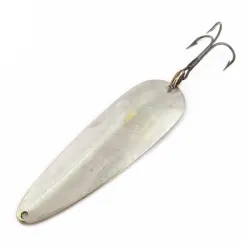
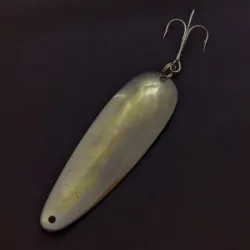
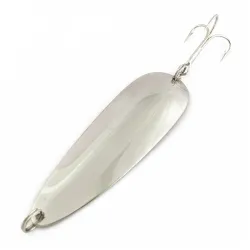
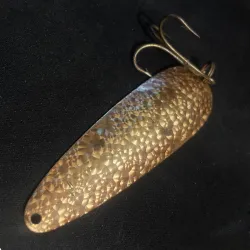
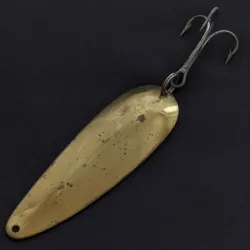
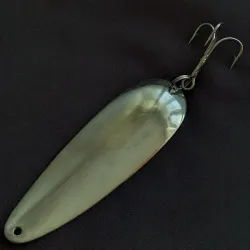
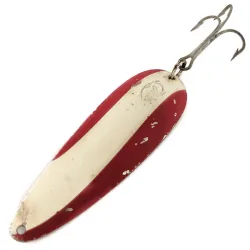
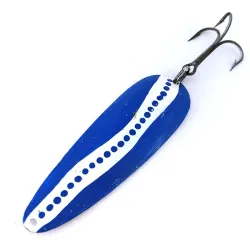
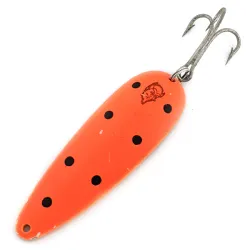
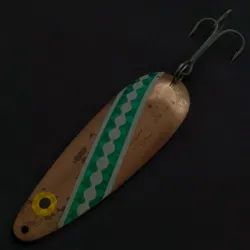
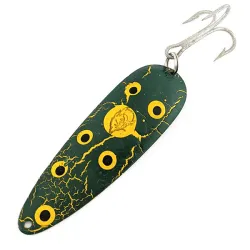
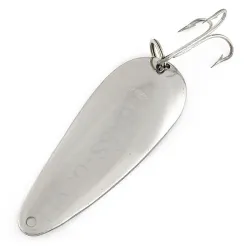
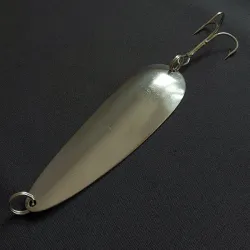
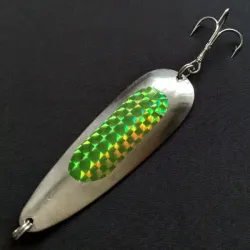
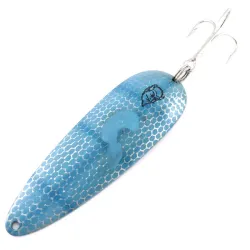
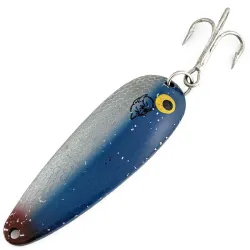
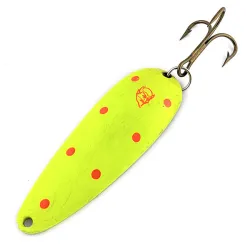
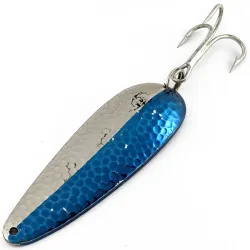
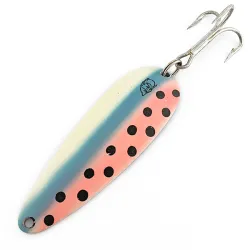
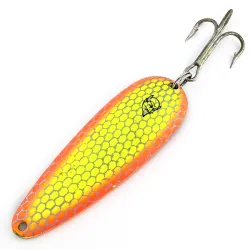
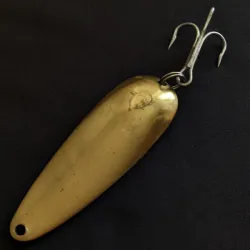
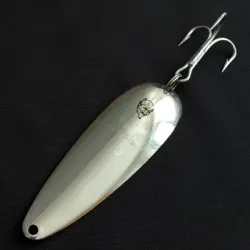
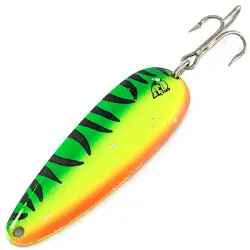
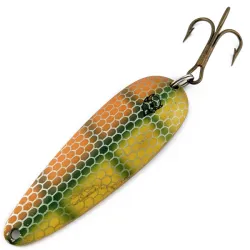
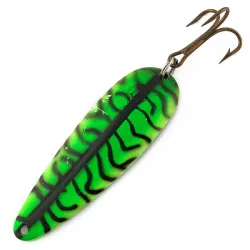
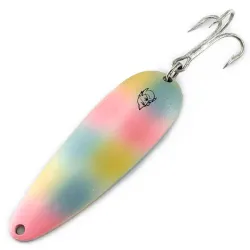
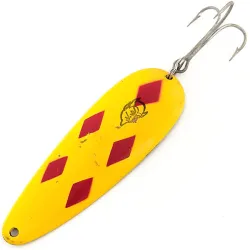
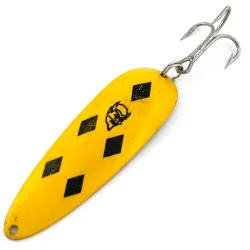
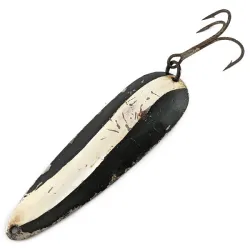
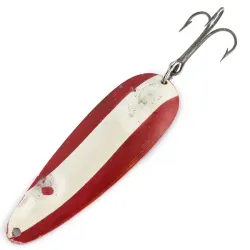
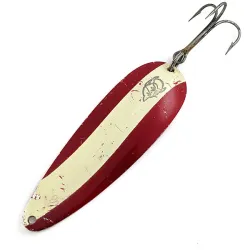
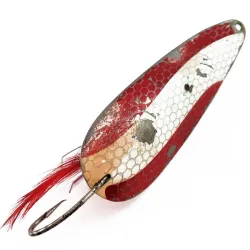
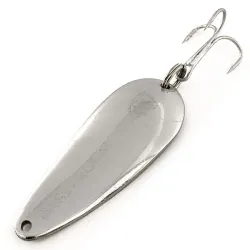
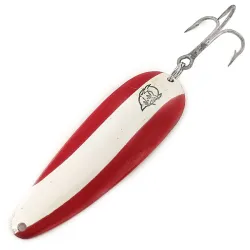
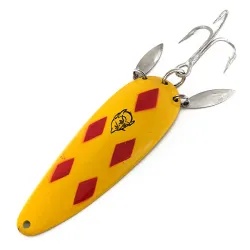
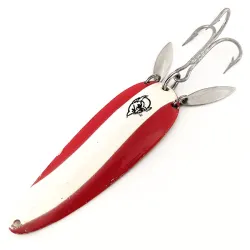
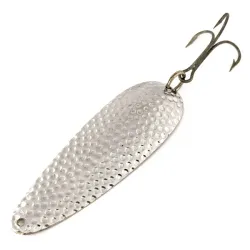
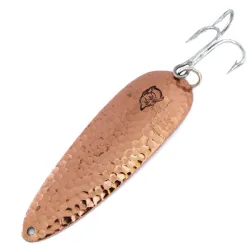
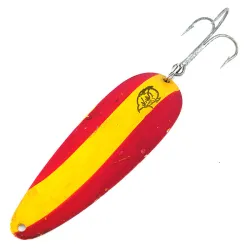
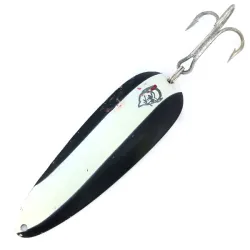
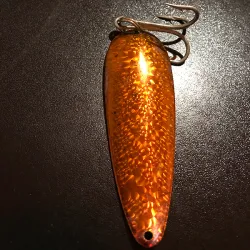
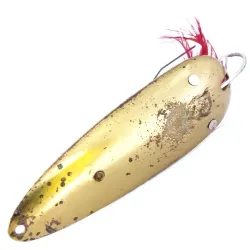
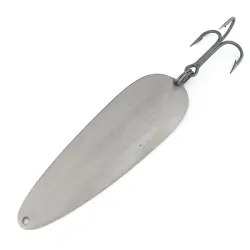
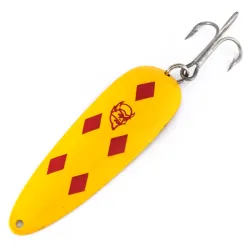
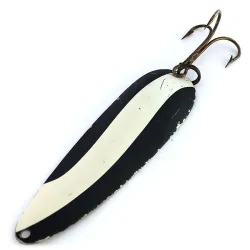
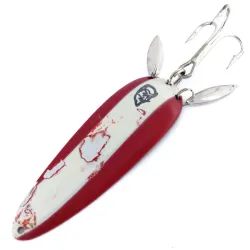
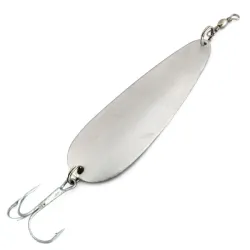
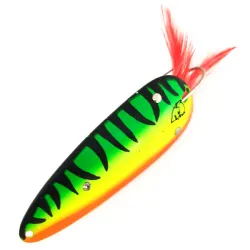
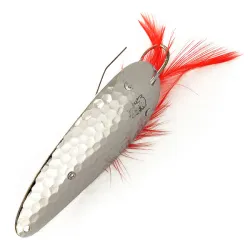
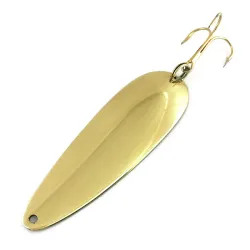
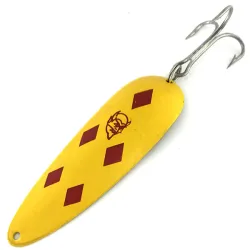
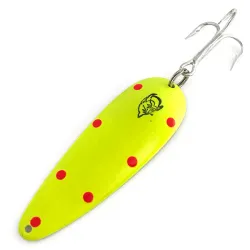
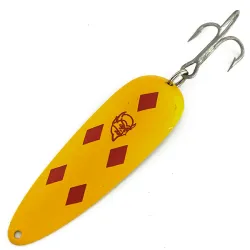
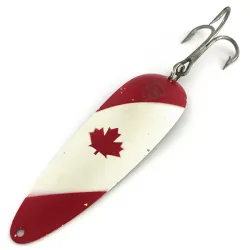
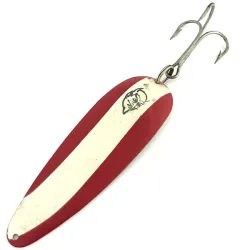
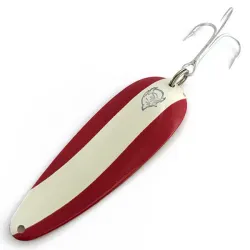
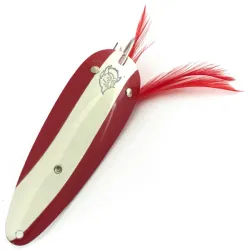
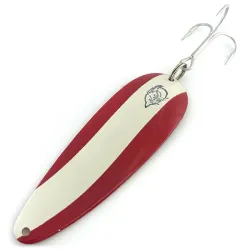
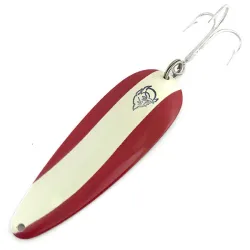
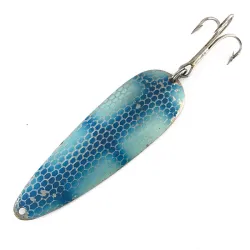
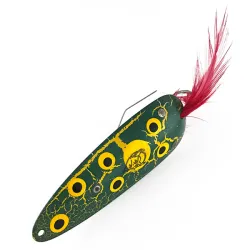
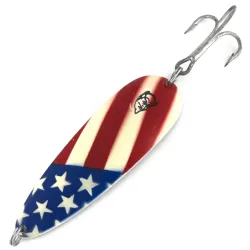
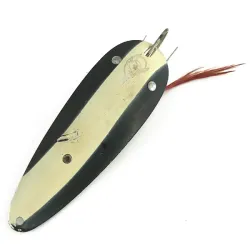
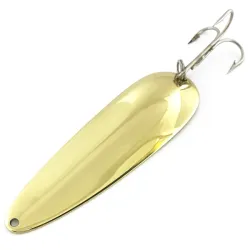
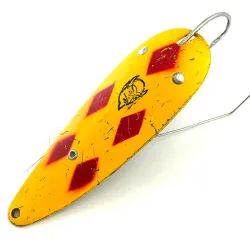
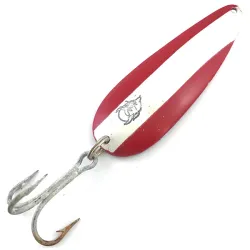
Dardevle 1 oz (28 g) From Osprey to Dardevle
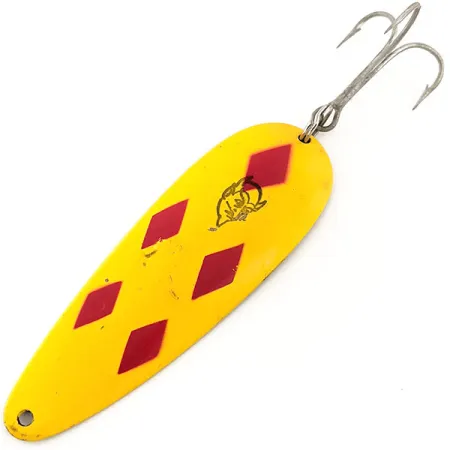
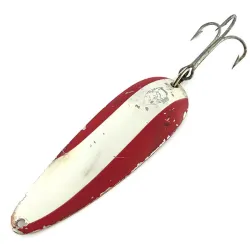
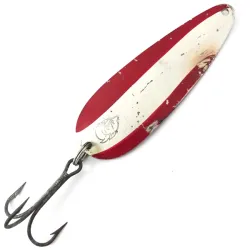
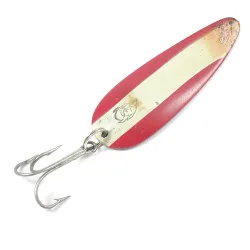
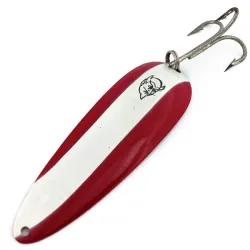
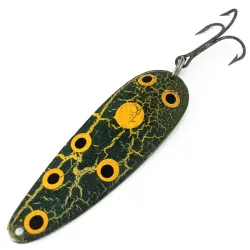
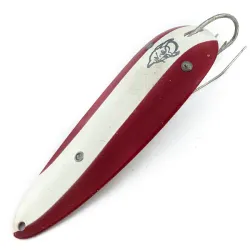
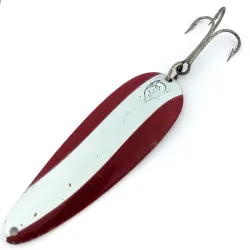
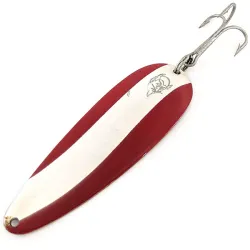
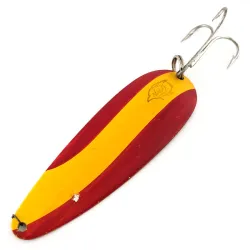
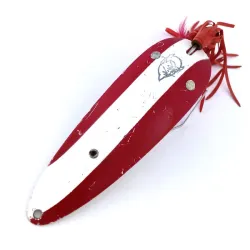
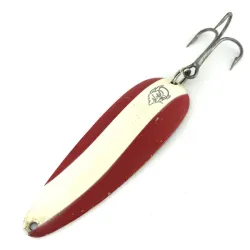
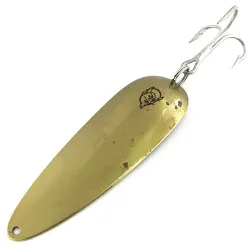
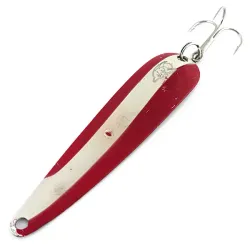
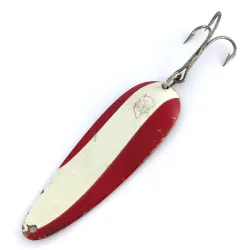
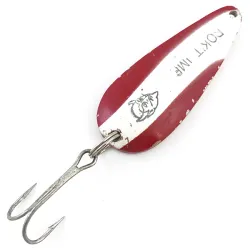
The legacy of the Eppinger Dardevle began in 1906 when Lou Eppinger set out to develop a lure that maintained its action regardless of retrieval speed. By hand-hammering metal blanks to achieve a specific curvature, he created the original Osprey. This 1-ounce (28 g) spoon was designed to trigger strikes even from passive predators, forming the foundation for the design's long-term success. In 1918, the name transitioned to Dardevle, a tribute to the "Devil Dogs" Marines of World War I. To navigate the censorship of the era regarding the word "devil," Eppinger adopted the unique spelling and introduced the signature red finish with a white zig-zag stripe.
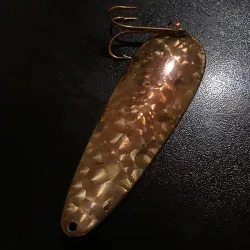
The technical effectiveness of the classic 28-gram Dardevle lies in its variable thickness engineering. Unlike standard spoons, it features a hull that is thicker at the edges and thinner in the center. This specific weight distribution shifts the center of gravity, allowing the lure to "dance" with an erratic side-to-side wobble while preventing the uncontrolled rotation or "spin-out" that leads to line twist. The choice of brass as the base material provides greater inertia during pauses compared to steel and produces a distinct low-frequency sound when it makes contact with underwater rocks.
Fishing this heavy spoon requires appropriate gear, typically a Medium-Heavy or Heavy power rod. The 28-gram weight offers excellent ballistics for long-range casting, making it a primary tool for covering large expanses of water or reaching deep river channels and holes. While the lure can be retrieved at various depths—from half a meter to seven meters—its most notable attribute is its behavior on the pause. When retrieval stops, the spoon flutters toward the bottom in a chaotic manner, a movement that often triggers strikes from trophy fish.
The 1-ounce model is a specialized tool for targeting substantial predators. It is frequently used for trophy northern pike, as its vibrations are capable of drawing large fish out of deep cover. When worked along the bottom with a jigging retrieve in large river systems, it is effective for zander. The lure's oscillations can also provoke catfish, while it remains a standard choice on large northern rivers for pursuing salmon and trophy-sized trout.